My Two Ounces: My Favorite Bourbons Under…

I’ve had some requests from friends of the blog for lists of my favorite bourbons in certain price ranges. This sounded like a fun exercise, but there are some challenges. First, not all bourbons are available everywhere. Second, not all bourbons are the same price everywhere. Third, there are some bourbons I don’t usually care for, but I like some of the specially selected retailer bottlings. Finally, some bourbons are only released in limited quantities once a year. Some of them, like the Old Forester Birthday Bourbon and the Four Roses annual releases, vary quite a bit from year to year. Others, like the Buffalo Trace Antique Collection (BTAC), are pretty consistent.

For my recommendations I have decided to include bourbons available in Michigan, Indiana, Kentucky or Chicago, i.e. places where I shop. For all bourbons available in Michigan, the price I will be using is the state minimum retail price. Bourbons not available in Michigan will be marked with an asterisk and I will use the price listed at The Party Source in Covington, Kentucky. All prices are rounded to the nearest dollar before sales tax. I will note retailer bottlings I like in each category at the end of each list. For the purposes of this list, I have included Tennessee Whiskeys. Rye whiskeys are not included, but get their own very short list at the bottom.

Whew. So without any further ado, and without comment (mostly)…

Favorite bourbons under $25

*Heaven Hill Old Style, 6 y/o,  Bottled-in-Bond (White Label) $9

*Very Old Barton, Bottled-in-Bond $13 (the 90 proof version is available in Michigan for the same price)

Old Ezra 101 $16

*Ancient Ancient Age 10 y/o (not to be confused with 10 star) $18

Geo. Dickel Old #12 $22

Elijah Craig 12 y/o $22

Old Forester Signature $22

Old Grand Dad 114 proof $23 (Old Grand-Dad Bottled-in-Bond is also a great value)

Retailer bottlings of Buffalo Trace and Old Weller Antique are also worth seeking out.

Favorite bourbons $25-$49

*W.L. Weller 12 y/o $25

Evan Williams Single Barrel (I like the 1994, 1997-2000 vintages) $29

Wild Turkey Rare Breed $35

Four Roses Single Barrel $40

Old Rip Van Winkle 107 $40

Retailer bottlings of Elijah Craig 18 y/o and Four Roses Single Barrel, Barrel Strength (OBSK, OBSV, OESO, or OESQ recipes) can be stellar.

Favorite Bourbons $50 and up

Pappy Van Winkle 15 y/o $65

Four Roses Ltd. Ed. Single Barrel $70

Four Roses Ltd Ed. Small Batch $70

Geo. T. Stagg $71

Parker’s Heritage Collection (Wheated or Cognac finish) $80

Favorite ryes

Under $25: *Rittenhouse Bottled-in-Bond $22

$25-$50: Bulleit Rye $25, Sazerac Rye $28

Over $50: Van Winkle Family Reserve Rye $60

Triple Smoke American Malt Whiskey

Maker: Corsair, Bowling Green, Kentucky/Nashville, Tennesee, USA

Style: Smoked American Malt

Age: NAS

Proof: 80 (40% ABV)

Appearance: Copper with slow legs.

Nose: Young, sharp, small barrel, woodsy notes with a little bit of hardwood smoke and sweetness.

On the palate: Medium-bodied and sweet. With a bit of water, the sweet smokey wood flavors come through. A little cassia and nutmeg lurking somewhere in the background too.

Finish: This finish is where the smoking process pays off. The beech and cherry wood smoke give Triple Smoke a sensual, dare I say hedonistic finish. The peat, which only shows up in the finish, provides a pleasant, floral counterpoint to the other woods. The smoke lingers in the mouth for a very long time, taking on some tobacco notes before gently fading.

Parting Words: This is a very well-executed whiskey. The chocolate nougat notes of a typical American Malt are there, but they’re the O-line to the QB/TE/WR combo of the beech, cherry and peat smoke. Yes, I’ve been watching a lot of football recently.

My only disappointment with Triple Smoke is the nose, which has a definite case of Small Barrel Syndrome. It’s sharp and unappealing, but the taste and finish more than make up for it. Triple Smoke is not widely available, so next time you’re in Chicago, Kentucky or Tennesee, pick one up. I thought about trying it in some cocktails but it’s so tasty neat I couldn’t bear to. This is exceptional American malt in every sense of the word. Highly recommended.

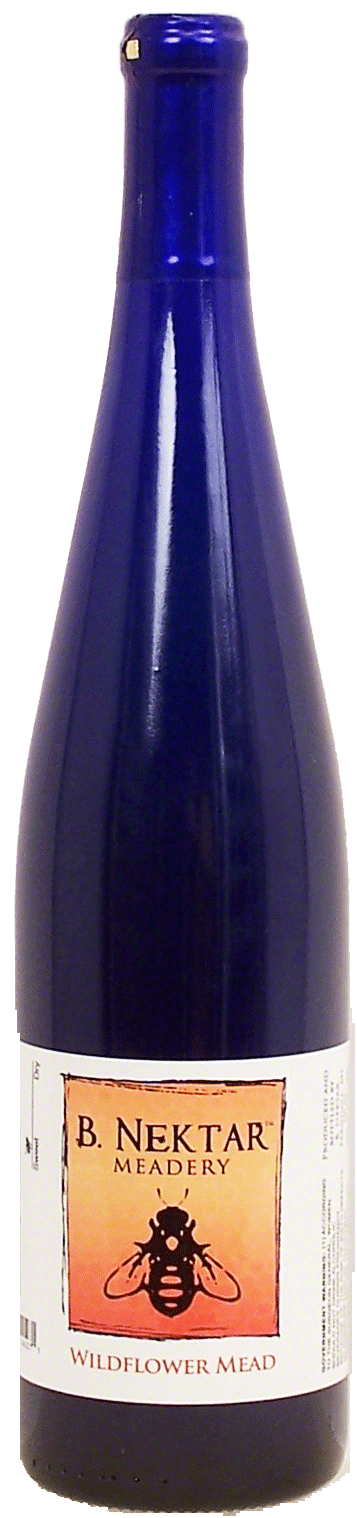
B. Nektar Wildflower Mead

Maker: B. Nektar, Ferndale, Michigan, USA

Varietal: Wildflower

ABV: 14%

Appearance: Pale straw, like young chardonnay.

Nose: Honey (duh), pear, wild herbs, sweet hay.

On the palate: Full-bodied, lightly sweet, Riesling-like with a bit of citrus, but still lots of wildflower honey character, especially as the glass warms.

Finish: Lightly bittersweet and clingy. Slowly fades to a pleasant sweetness.

Parting words:  I’ve long been eager to review B. Nektar’s Wildflower mead if for no other reason than to establish a baseline for tasting their other, funkier, offerings, and also becuase the meadery is about 2 1/2 miles from my house. It doesn’t disappoint. It’s more elegant and delicate than Oliver’s Camelot mead, but still delivers plenty of varietal character as I said above. It’s a good deal more expensive than Camelot, but Camelot is probably underpriced and B. Nektar’s wildflower honey is better so it all evens out. This is mead to be savored, not slammed. Recommended.

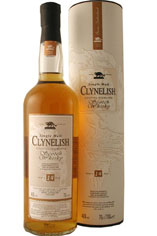
Clynelish Single Malt

Maker: Clynelish, Brora, Scotland (Diageo)

Region: Highlands- Northern (coastal)

Age: 14 y/o

ABV: 46%

Appearance: light amber with long clingy legs.

Nose: Malt, toffee, brown butter, honey, brine, papaya, a slight peaty tang, but no noticeable smoke.

On the palate: Soft and full-bodied. Even with a splash of water it has a big bite. Wildflower honey, butterscotch, kiwi, some maritime notes but not fishy or murky.

Finish: Malty but powerful. Caramel, nougat, honey, caramel corn, still a hint of brine.

Parting words: I’m still a Scotch novice so bear with me. My first thought when tasting it was that it tastes like Highland Park’s rambunctious younger (or older) sibling. The Scottish Wildcat on the label seems apt. Even with a goodly amount of water, it is still a powerful malt far beyond its ABV %.  It’s a great combination of soft voluptuous candy and powerful seaside characteristics. Recommended.

Tanqueray London Dry Gin

Maker: Cameronbridge Distillery, Levenmouth, Scotland (Diageo)

Style: London Dry

ABV: 47.3%

Appearance: Crystal clear.

Nose: Lime peel, alcohol. Bitterness, coriander, sweet angelica, bit of juniper.

On the palate: Sweet, full-bodied, but not much else going on.

Finish: Burn, sweetness and Angelica.

Mixed: Gin & Tonic: Makes a cool, crisp, refreshing G & T. Dry Martini: Thick and herbal with a citrus finish. Tom Collins: Like the G & T, crisp and refreshing. Works well in all applications.

Parting words: This is one of the old standards of the gin world. It’s hard to get more “macro-distilled” than a Diageo-made gin, but they know what they are doing and they execute it perfectly. A good amount of gin character but nothing too outlandish that might scare the bourgeoisie. Recommended.

Two Princes Riesling

Maker: Schloss Wallhausen, Wallhausen, Germany

Grape: Riesling

Region: Nahe, Germany

Vintage: 2009 (2008 vintage pictured)

ABV: 10.5%

Appearance: Translucent gold with big thick legs

Nose: Peach, Tangerine, pear, crisp yellow apple

On the palate: Medium-bodied. Semi-dry with a bit of tart apple and ripe peach.

Finish: Fairly quick. Tangy and then lightly sweet

Parting words: This wine was purchased in a continuing effort to give myself a crash course in German Riesling. Frankly, I was a bit disappointed. It wasn’t bad, not at all, it was just a little dull. It didn’t start to take on much of a nose until the bottle had been open for 36 hours and the wine had warmed to close to room temperature. Nahe is known for having young, creative growers who are pushing to escape the region’s Liebfraumilch heritage and make wines on par with Rheinhessen and other finer German wine regions. Two Princes is a solid effort in this direction, if unexciting. Mildly recommended.

La Parcela, no. 1 Pumpkin Ale

Maker: Jolly Pumpkin, Ann Arbor, Michigan, USA

Style: Oak-aged Pumpkin-spiced ale

ABV: 5.9%

Appearance: Burnt orange with a frothy head.

Nose: Bright, citrus, pumpkin.

On the palate: Medium-bodied. Fresh Pumpkin puree, some bitterness, light sweetness. Not over-spiced or over-oaked. Actually neither make much of an appearance at all.

Finish: Light, pumpkin-y and slightly sour. Fades quickly.

Parting Words: This is a pleasantly pumpkin-y ale. The cacao and other spices are so far submerged, they might as well be absent. Still, this isn’t a a bad thing. This is one pumpkin ale that actually tastes like a pumpkin actually tastes. Recommended.

Old Forester Birthday Bourbon, 2011 edition

Maker: Brown-Forman, Louisville, Kentucky, USA

Age: 12 y/o (distilled 1999, bottled 2011)

Style: High-rye bourbon

Proof: 98 (49% ABV)

Appearance: Dark copper with longy clingy legs.

Nose: Black walnut, oak, varnish, dried figs, mincemeat pie, old bottles of Old Forester Bottled-in-Bond

On the palate: Thin and surprisingly light on the palate. A litte spice, sweetness and burn. Doesn’t quite live up to the promise of the nose.

Finish: The assertive, “dusty” Old Forester notes from the nose come roaring back in the finish. Big burn, then big tannic oak, then a hint of cotton candy. The burn and tannins linger for a very long time, begin to transform into peppermint, and then vanish. Wow.

Parting words: Old Forester Birthday Bourbon is always interesting, whatever else it may be year to year. Ironically 2011’s is unusual in its Old Forester-ness. The previous two years were notable for being the least Old Forestery in a while. This one brings to mind old bottles of Old Forester Bottled-in-Bond or a milder version of the Woodford Reserve Master’s Collection Seasoned Oak. The 2011 edition is the best since 2008 and is recommended.

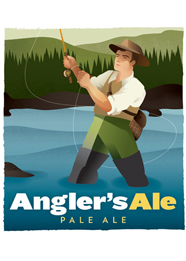
Angler’s Ale

Maker: Arcadia Ales, Battle Creek, Michigan, USA

Style: American Pale Ale

ABV: 5%

Appearance: Hazy orange, big frothy head that dissipates fairlyquickly.

Nose: Oranges, raspberry, hops, fresh cut hay.

On the palate: Full-bodied, malt, breakfast cereal, moderately bitter, spicy and hoppy.

Finish: sweet then big and bitter and exuberant.

Parting Words: The Pete Sampras of American Pales. Along with Milkin It Productions’ sophisticated Axl Pale Ale, this is my favorite American Pale. Highly recommended.

1792 Ridgemont Reserve

Maker: Barton-1792, Bardstown, Kentucky (Sazerac)

Age: 8 y/o

Proof: 93.7 (46.85% ABV)

Appearance: middle-aged copper with big, thick legs that cling tenaciously to the glass.

Nose: Cotton candy, strawberry ice cream, a bit of wood and vanilla.

On the palate: Sweet, then some burn, fairly full bodied. More cotton candy, vanilla, strawberry and tart cherry pie, bubble gum.

Finish: Burn with a hint of candy. Very little wood, though.

Parting words: I dunno…this is a toughy. My opinion of 1792 changes quite a bit depending on the time of day and what else I’ve been drinking. Before supper or as the first whiskey of the evening, it is very tasty. After something more boldly flavored like Four Roses Single Barrel or Evan Williams Single Barrel (both close to the same age) 1792 falls flat. It makes a smooth Manhattan but I like mine with a little more spice and wood. To sum up, it ain’t bad, but it ain’t great either. I have to come down somewhere though, so I’m giving 1792 a mild recommendation.