Atwater Winterbock

Maker: Atwater Brewery, Detroit, Michigan, USAATWATER_WINTER_BOTTLE

Style: High gravity bock.

ABV: 7.5%

Appearance: Chestnut with a short-lived foamy head.

Nose: Malt, prunes, dark toast.

On the palate: Medium bodied. Bitter with just a bit of sweetness and malt. Like the burnt drippings of off a mixed berry pie.

Finish: Fruitier, but fades into warm toastiness.

Parting words: Bock is one of my favorite styles of beer. This is a decent example and a decent beer. Still, I would have appreciated a little less bitterness, a little more sweetness and a lower price. Atwater Winterbock is mildly recommended.

Head to Head: Spring Mill Bourbon vs. Beer Barrel Bourbon

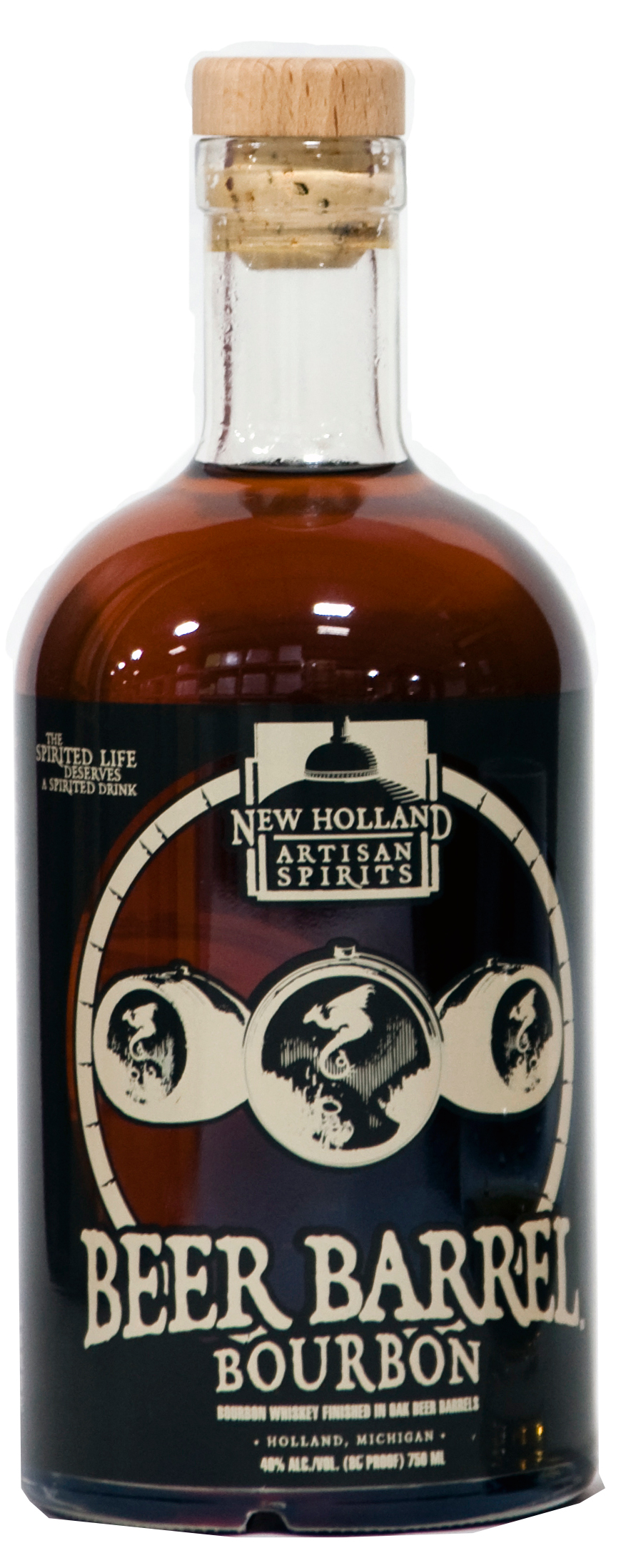
A. Spring MillSpringMillbeer-barrel-bourbon

B. Beer Barrel

Maker

A. Heartland, Indianapolis, Indiana, USA

B. New Holland, Holland, Michigan, USA

Distiller: MGPI, Lawrenceburg, Indiana, USA

Age: NAS

Proof

A. 90 (45% ABV)

B. 80 (40% ABV)

Notes

A. Rebarreled in new charred oak barrels

B. Finished in barrels used to finish beer in

Appearance

A. Light copper

B. Burnt orange

Nose

A. Wood shavings, alcohol, chocolate-covered caramels, fennel, leather

B. Dried cherries, roasted malt, corn chips, alcohol

On the palate

A. Sweet and hot. Medium bodied. Brown sugar, sweet tea, vanilla

B. Full bodied. Licorice, stone fruit.

Finish

A. Hot and long lasting with a bit of candy behind the burn.

B. Mellow and fruity. Grape soda, alcohol. Fades quickly.

Mixed

A. Excels in a Manhattan and does well in an old fashioned. Gets a little lost in cola.

B. Adds an interesting fruitiness to the Manhattan, does the same in an old fashioned. Downright tasty in ginger ale.

Parting words

Both of these bourbons are examples of small producers selling bourbon sourced from MGPI, Indiana but putting their own stamp on it. Both are successful in creating something different and probably superior to what they started with. As for Beer Barrel Bourbon (B), the fruity aspects of the stout that previously occupied the barrel come through the most, although a little of the roasted malt character also comes through.  It is a successful experiment but I don’t know if I’d buy another bottle. Mildly recommended.

Spring Mill (A) has more of a classic bourbon flavor. Rebarreling the often lackluster MGPI bourbon has added needed depth and sophistication. One of the proprietors of Heartland was not forthcoming about the nature of the second barrel (char level, size) when I communicated with him on social media, but I suspect it is a slightly smaller barrel with a lighter char, maybe 2 or 3. Whatever the case, it worked very well. The ceramic bottle adds interest (although I’m not quite sure how to recycle it) and the fact that the bottle shares the name of a street on the North Side of Indianapolis near where I grew up is a sentimental bonus for me. Spring Mill is recommended. Looking forward to some of the new barrel strength version of this stuff soon!

Under the Kilt

Maker: Dragonmead, Warren, Michigan, USALabelWeeHeavy

Style: Scottish Ale, Wee Heavy

ABV: 7.8%

Appearance: Chestnut brown with a big frothy head.

Nose: Malty, slightly fruity, a little boozy.

On the palate: Medium mouth feel. Like a piece of slightly burnt berry pie chased with a shot of Wild Turkey. Roasty, fruity and boozy.

Finish: Slightly sweet, but mostly bitter, but not hoppy, more like burnt toast. Lingers for a good long time.

Parting words: This is a fairly good beer but not a very good one. It comes in four pack boxes for a pretty high price, well over $10 (I forgot how much exactly). Even accounting for the high ABV, that’s too much. As for the style, maybe I don’t know enough about what a Scottish ale is supposed to taste like, but this seems a little off when compared to other examples from Michigan like Dirty Bastard or Scotty Karate. I’m on the fence with this one. It wasn’t terrible but factoring in the price and style problems, I can’t recommend Under the Kilt.

Liberator Gin

Maker: Valentine Distilling Co., Ferndale, Michigan, USA

ABV: 42%

Appearance: Clear with a clingy pearl necklace.

Nose: Big horehound smell, lime leaves, lemon zest, juniper. As it settles in the glass, a burst of cassia seems to come out of nowhere.

On the palate: Full bodied and fairly dry. Lots of horehound and fennel, a shot of cassia (like in the nose) then dies down to almost nothing.

Finish: The horehound comes roaring back with a pound of black licorice in its mouth. A hurried bit of cinnamon and citrus, then the horehound comes slowly back and then sits out the rest of the finish hanging around on the porch.

Mixed: Does well in all the cocktails I tried it in. The bitterness of the horehound complements most traditional mixers well and creates a nice balance.

Parting words: This gin is a hot mess neat. It’s named after a plane (the B-24), but if the gin is any indication of what the plane was like, I would need a lot of Dramamine to take a flight in it. It wildly careens from botanical to botanical without ever finding balance. It’s definitely not boring though, and mixers calm it down considerably. The price isn’t terrible for a micro-gin but it’s not great either. All in all a good gin, even if it’s a little wacky. Liberator Gin is recommended.

Special Sneak Preview: Two new beers from Rochester Mills

A good friend works for a beer distributor that handles this brewery’s products. They wanted to know what he thought of these beers and he was gracious enough to share his sample cans with me. These are my notes slightly amplified.

Lazy Dazersz_beer_004

Style: Amber lager (“German Style”)

ABV: 5% (or somewhere in there)

Notes: Made with Munich malt and German hops. Sessionable, malty and only slightly sweet. Hops balance it out nicely. Fairly dry. Pleasantly bitter finish. Octoberfest-ish. Recommended

Michigan Maple Brown Ale

Style: Brown Ale (with maple flavor? Or maybe not.)

ABV: 6-7% (?)

Notes: The label says this beer was inspired by and intended for people out collecting tree sap for making maple syrup. Alrighty then. Nose is slightly sweet and malty. In the mouth, a bit of maple, but mostly reminded my friend and me of Honey Brown. Slightly toasty. Finish was very mild and a bit underwhelming. Good enough, but not especially interesting. Mild recommendation.

Thanks again to Oscar for sharing!

El Mole Ocho

Maker: New Holland, Holland, Michigan, USAMole-no-vintage-front-021412-front

Style: Spiced ale

Vintage: 2011

ABV: 8.4%

Appearance: Cloudy chocolate brown

Nose: Chocolate milk, tiny bit of red pepper.

On the palate: Sweet and medium-bodied. Hot chocolate, chipotle, roasted malt.

Finish: Fairly dry, all things considered. Tabasco sauce, chocolate syrup.

Parting words: This was an enjoyable beer. Not anything close to a go-to, but oddly refreshing and enjoyable after supper on a cold winter night. I haven’t had any other beers spiced like this so I can’t speak to how it compares to others like it, but it is recommended. Probably best to drink at no older than 1 year old, though.

Breakfast Stout

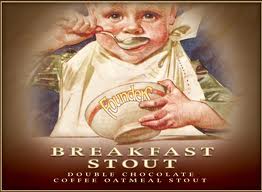
Maker: Founder’s, Grand Rapids, Michigan, USAbreakfaststout

ABV: 8.3%

Appearance: Dark chocolate brown with a pale head.

Nose: Bitter chocolate, black cherry.

On the palate: Medium-bodied. Rich, roasted grain flavors. Burnt toast, brandy, espresso beans.

Finish: Long and bitter. Like finishing a cup of French Roast.

Parting words: This beer delivers on the promise of the name. It’s like a dark roast coffee with a bowl of breakfast cereal in stout form. It’s rich in flavor and certainly potent at over 8% ABV, but not excessively boozey either. Goes well with a rich, cheesy meal or as just a meal in itself. One of Founder’s (and Michigan’s) best beers. Breakfast Stout is highly recommended.

2012 in Review, Part I: Michigan beer & mead.

Compared to the ongoing tumult in the whiskey world, the world of Michigan beer and wine was an ocean of calm in 2012. Calm, but not dull. Optimistic, joyful, or hopeful might be the best words to use. The world of craft beer, Michigan continues to be a leader despite increased competition. Bells is taking its place as one of the largest and most successful microbrewers in the country. Founders and New Holland confirmed their positions and justified their positions as leaders in the movement as well.

Many brewers experienced various sorts of growth in 2012. One of this blog’s favorites, Arcadia Ales, announced that they are expanding their operation and moving to the belly of the beast, as it were, Kalamazoo, Michigan, home to Bells. They will keep their pub and restaurant in Battle Creek, but the majority of the brewing operations will be moving into the new facility. They also expanded their canning operation to include their delicious Sky High Rye. Also expanding was Jolly Pumpkin. They are set to open a new pub and restaurant in Royal Oak, Michigan, Sipology’s home town, sometime soon. The place was rumored to be opening last fall but the Jolly Pumpkin never appeared. The bankruptcy of the former owner of the building the brewery has its eye on may be to blame for the delays. Real estate problems aside, the growth in popularity of sour beers has brought a lot of interest to Jolly Pumpkin. Milking It Productions is already in Royal Oak, and has also been slowly expanding their range and their reach. Their Jet black lager and Sno White Ale (recently reviewed) are both excellent and quick sellers judging by the short amount of time they spend on shelves. The “up north” brewers, like Short’s, North Peak and Keweenaw have continued to expand their offerings and distribution as well.

B. Nektar meadery in Ferndale, currently just a mile or so from Sipology HQ, is also moving and expanding. The new facility is a five minute walk from the old one and will include a tap room. It will no doubt be an improvement on their current set up for tastings: three card tables with bottles and a cash register. B. Nektar continued to release interesting meads with mass appeal this year, like Zombie Killer, Evil Genius and Naughty Ginger. Their most intriguing release this year was Sleeping Giant, a wildflower mead aged in former rye whiskey barrels. They were expensive ($24 for a 375 ml bottle) but promise to be one of the coolest things they’ve done. Maybe I’ll review it soon. Maybe I’ll just let it languish in the cellar for a few years.

2012 in wine and cider next.

Sno White Ale

Maker: MillKing It Productions, Royal Oak, Michigan, USA

Style: Wheat ale

ABV: 4.8%

Appeance: Cloudy gold.

Nose: Light with dried flowers and a bit of fruit.

On the palate: Full-bodied and fruity. Fried plantains with cracked black pepper, mango, a hint of hoppy bitterness and spice to add balance.

Finish: More bitter than fruity, but works well with the flavors on the palate. Well composed from beginning to end.

Parting words: Like everything MiP does, this a is flavorful but very drinkable. Comes in pint cans like the rest. Sno is a bit pricier, though, $8 (if I recall correctly) for a four pack. Lots of wheat character without being a banana bomb. Sno White is recommended.

Double Down

Maker: Atwater Block, Detroit, Michigan, USAatwater-block-double-down-imperial-amber-ale

Style: Imperial Amber Ale

ABV: 7.5%

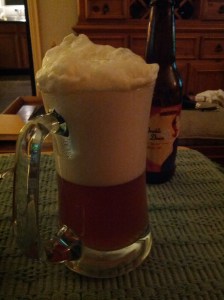
Appearance: Cloudy burnt orange with an insanely foamy head that took the better part of a half hour to go down enough to be drinkable. Don’t believe me? The picture below is the beer fifteen minutes after being poured into a frosty mug. Still hadn’t poured the whole bottle in. Open and pour over a sink

IMG_20121104_185828Nose: Malty and fruity. Strawberry licorice candy, mango, papaya.

On the palate: Medium bodied. Nice interchange of fruity, malty and bitter.

Finish: Like most of my ex-girlfriends: pleasantly thick and sweet, with a hint of bitterness.

Parting words: Aside from the weird head behavior, this is a very nice beer. In spite of its imperialness it is food friendly and easy to drink. It comes in four packs for $9-$10, but considering the high alcohol content, it’s not that big of a deal. This one might even respond well to bottle aging of a few months. A nice pour. Double Down Imperial Amber Ale is recommended.