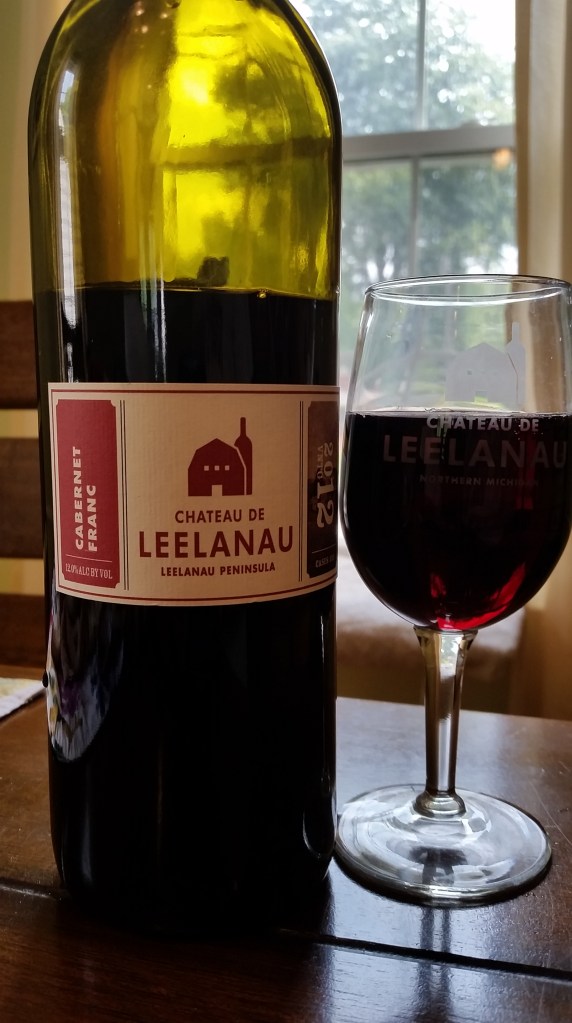
Chateau de Leelanau Cabernet Franc

Maker: Chateau de Leelanau, Sutton’s Bay, Michigan, USAwp-1472127765860.jpg

Place of origin: Leelanau Penninsula AVA, Michigan, USA

Vintage: 2012

ABV: 12%

Production: 210 cases

Price: $24 (Michigan by the Bottle Tasting room Sipper Club selection)

Appearance: Dark plum

Nose: Wild blackberries, toasted oak.

Palate: Raspberry juice, black cherry, crimini mushrooms, oak, smoke.

Finish: Blackberry jam, oak.

Parting words: I wrote off Chateau de Leelanau for dead years ago after visiting the place and being unimpressed with everything, except the cherry wine which rose to the level of mediocre. I reviewed the wine back then, and got an annoyed comment from “Matt” who rattled off a long list of awards and an “interesting reaction” comment from MBTB’s Courtney Casey. I stand by that review, but after hearing that they’ve changed ownership since then I decided to give them another chance at a review.

Holy cats, am I glad I did. This is a fantastic wine, easily one of the top five Michigan Cab Francs I’ve had, maybe the best one. It’s earthy, fruity, oaky, perfectly balanced and delicious. Only two things about this wine disappointed me. First, that I only had one bottle. Second, that I didn’t wait for another year or two to open it. It’s only gonna get better kids. CDL’s 2012 Cab Franc is an example of the best that vintage has to offer. This is one to seek out. Highly recommended.


Bel Lago Pinot Noir

Maker: Bel Lago, Cedar, Michigan, USAwp-1466635963046.jpg

Place of Origin: Leelanau Peninsula AVA, Michigan, USA

Vintage: Non-vintage (2016 release of 2011 & 2013 vintages)

ABV: 13.2%

Purchased for $25 (Michigan by the Bottle, Royal Oak)

Appearance: Translucent ruby.

Nose: Lightly fruity. Red currant, blueberry, white pepper, grape jelly, oak.

Palate: Light. Blackberry, strawberry, oak, clove.

Finish: Fruity tang then sliding into oak.

Parting words: Non-vintage (NV) wine has suddenly become much more popular in Michigan because of the two apocalyptic vintages in a row, 2014 & 2015. For reds this was especially the case, but even for Chardonnay and Riesling the polar vortex vintages were disastrous. So wine makers blended reserves of previous better vintages together so that they would have decent wine to bottle in 2016.

Bel Lago is one of the best wineries in Northern Michigan. They’re known for cherry wine, rosé

and whites (like their excellent Auxerrois) but ain’t shabby with reds either. I didn’t expect this non-vintage Pinot Noir to be good, but my expectations were exceeded. It’s not as well integrated and balanced as vintage editions, but it goes well with food and there are no obvious flaws. Chilling brings out an inky taste and aroma, so drink at room temperature if possible. $25 is about $5 too much, but I feel sorry for our wineries having to struggle through those two winters so I don’t mind paying it. Bel Lago NV Pinot Noir is recommended.

Mulling it over: Spiced wine head to head to head

A three person, three bottle mulled wine tasting.

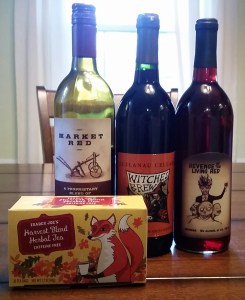
HM= Homemade mulled wine. Westborn/St. Julian (Paw Paw, Michigan, USA) Market Red + Trader Joe’s Harvest Blend Herbal Tea + sugar.

WB= Witches Brew (Leelanau Cellars, Omena, Michigan, USA)

LR= Revenge of the Living Red (Sandhill Crane, Jackson, Michigan, USA)

ABV20160320_190951-1.jpg
HM: 12%

WB: 12.5%

LR: 12%

Price

HM: $8 (wine only)

WB: $8 (Hollywood Market, Madison Heights)

LR: $18 (Michigan by the Bottle Tasting Room, Royal Oak)

Appearance

HM & WB: About the same. Dark burgundy.

LR: Beet red, almost blood red.

Nose

HM: Sweet with cinnamon and orange.

WB: Big cinnamon with some cherry juice.

LR: More typical red wine. Dry.

Palate

HM: Tart orange. Tannic.

WB: Easy Drinking. Sweet cherries, cinnamon. Not much else.

LR: Spicy with a little orange zest and cherry.

Finish

HM: Chewy. A little sweet orange.

WB: Sweet & light.

LR: Spicy dried chillies. Ancho?

Amy’s thoughts

HM: Smells sweet but tastes dry. Good once you get used to it.

WB: Cinnamon bomb. Almost too sweet.

LR: Drier. Finish burns. Don’t like it too much.

Pete’s thoughts

HM: Don’t like it. Bad, bitter aftertaste.

WB: Like it better. Cinnamon is good!

LR: Like WB but drier. Like it the best.

Parting words: I had wanted to do a mulled wine tasting for a while, but having three bottles open at the same time is a bit much, even for me. Normally Mrs. Sipology Blog would help out but she’s currently very knocked up so I invited friends of the blog Amy and Pete over to help.

For the homemade mulled wine, I had used TJ’s Harvest Blend Herbal Tea for mulled cider back in the fall with very good results so I thought I’d try it with wine. I thought it was OK, but not as good as the two pre-mulled wines. I kept adding more sugar which made it better but still not good enough. Next fall maybe I’ll start work on perfecting a mulled wine recipe. My own creation is not recommended.

Witches Brew is a big seller for Leelanau Cellars (known for their seasonal table wines) and it floods into grocery stores statewide in September and lingers well into the winter. The Halloween theme has always been a little puzzling to me, since I associate mulled wine with the Christmas and New Year’s holidays. Pete assured me that he and many other people do associate mulled wine with the fall hayride season. At any rate, cinnamon is the dominant flavor, but clove and nutmeg also go into the brew. It has it’s share of haters, but I think it’s a decent buy for the right price (<$8). It’s NV so beware of overly dusty bottles, but they drink fine at a year or a little more after hitting the shelves. Recommended.

Sandhill Crane’s goes with a hipper zombie theme. Their original spiced wine was Night of the Living Red ($17 from the winery). According to the website it’s made with “cloves, cinnamon, nutmeg, vanilla, orange peel… and essence of fresh-squeezed zombies!” Revenge is infused with all those (including the zombie juice) plus estate grown chiles. The chiles add a nice shot of heat to the wine and set it apart from products like Witches Brew. Some, like Amy, may find this off-putting but I loved it. It’s $10 or more than WB but the taste is worth it, plus $2 from every Living Red bottle sold goes toward the college fund of the artist who created the label. That’s added value. Revenge of the Living Red is recommended.

Aviatrix Rouge 2010

Maker: Chateau Aeronautique, Jackson, Michigan, USA2016-01-07-11.13.04.jpg.jpeg

Grapes: 45% Cabernet Sauvignon, 30% Cabernet Franc, 15% Syrah, 10% Merlot (acc. to website)

Place of origin: Michigan, USA

Style: Left bank-ish red Bordeaux blend

ABV: Unknown (14%-ish)

Price: $35 (Michigan by the Bottle)

Appearance: Dark burgundy with a brownish hue.

Nose: Black currant jam, blueberry, wild blackberry, vanilla.

Palate: Understated. Blueberry juice, black cherry, wine cap mushrooms, vanilla.

Finish: Oaky, then fades into chewy berries. Slight tang at the end.

Parting words: I was very impressed with this wine. I expected a smoky beast like its cousin and successor, Aviatrix Crimson, but what I got was a multifaceted gem of a wine. The fruit, oak, earthy and other elements are in perfect harmony here. Rereading my notes, they seem to give the impression that this is a very fruity, sweet wine. It’s not. The fruit notes are all fairly muted and balanced out with flavors I can’t quite name.

$35 is hell of a lot of money for a Michigan red. I think this one lives up to the price tag, though. Paired great with a steak and with pork roast. Drinking great now (especially after breathing for a while) but will probably be as good or better for the next two to three years or longer. Aviatrix Rouge 2010 is recommended.

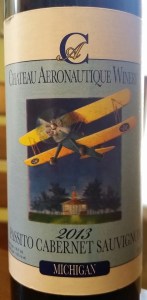
Chateau Aeronautique Passito Cabernet Sauvignon, 2013

Maker: Chateau Aeronautique, Jackson, Michigan, USAwpid-2015-11-11-11.19.03.jpg.jpeg

Place of origin: Michigan, USA

Style: Straw wine (made with raisins)

ABV: 12%

Price: $45/375 ml (Michigan by the Bottle Tasting Room)

Notes from label: 38.0 brix at harvest, residual sugar 15% by weight.

Appearance: Rusty red, big heavy robe, thick slow legs.

Nose: Tawny port, cherry, other stone fruit.

Palate: Full bodied and fruity. Plum, cherry pie filling, vanilla, white pepper.

Finish: Big cherry flavor, like a cherry wine. Gets a litt

Parting words: The technique for making straw, or raisin, wine is an ancient one. The epic poet Hesiod (a contemporary of Homer) mentions a Cyprian straw wine called Manna in his poem Works and Days. Ancient Carthage produced a straw wine the Romans loved and called passum. The modern Italian term for raisin wine is passito, derived from the ancient wine. Amarone is probably the best known, but passito is made all over Italy, and in the Czech Republic (slámové víno), France (vin de paille), Greece (variety of local names), Austria and Germany (strohwein or schilfwein), among other places. Drying the grapes has a similar effect to “noble rot” (botrytis) or allowing the grapes to freeze, as in ice wine. The result is an intensely flavored, thick, sweet wine. As one might guess, the process also adds to the price of the wine.

The label describes this wine as “cherry pie in a glass” which is a bit of an overstatement, but it does have a wonderfully fruity aroma and flavor that makes for a delicious holiday dessert wine. It might also make a good gateway dessert wine with its easily discernable flavors. It pairs well with chocolate and it’s probably my favorite of the dessert wines currently on pour at Michigan by the Bottle Tasting Room in Royal Oak. The label says to serve it chilled, but I’ve had it both chilled and at room temperature and it was good either way.

My only concern with this is the price. This is a good wine but for $45/375 ml I want it to be exceptional. I understand that a number of factors contribute to the high price of this wine, like being from a boutique producer, being made using a special technique and being made with a variety that can be hard to grow successfully in Michigan. After factoring that in, the price is still high, but it’s a unique product for Michigan and I think that unconventional thinking should be rewarded. It’s not like anyone’s going to be trying to chug this from an oversized balloon glass or a Solo cup after all. Chateau Aeronautique Passito Cabernet Sauvignon is recommended.

Heritage HSR, 2010

Maker: Huber, Starlight, Indiana, USA.wpid-2015-10-20-18.40.58.jpg.jpeg

Grapes: Cabernet Franc, Cabernet Sauvignon, Petit Verdot.

Place of origin: Indiana, USA.

ABV: 13.9%

Price: $40 (website)

Note: My wife and I received a complimentary tasting and tour and a 10% discount at time of purchase.

Appearance: Dark ruby red.

Nose: Oak, blueberries, black cherries, dark chocolate.

Palate: Blackberry juice, old oak, raspberry, blueberry juice, serrano ham, smoke.

Finish: Chewy and oaky with a faint background of fruit.

Parting words: Huber (not to be confused with Austrian winemaker Markus Huber) is one of Indiana’s oldest and most well regarded wineries. The have a couple stills too and make a variety of spirits, including excellent brandies and a good gin I reviewed here. Their strength is in their red wines, although their Chardonel and Traminette wines are also good. They produce varietal Blaufränkisch (aka Lemberger), Cabernet Sauvignon, Cabernet Franc, and in some years Tannat, among others. Their most expensive (and probably best) wines are their Meritage Heritage red blends. We were particularly impressed with the 2012 and this 2010. The wife liked this one better so we purchased it.

Heritage 2010 HSR a tasty, structured, well balanced wine that evokes the best in California blends of this type. We had it with a meal featuring NY strip steaks topped with wine cap mushrooms and it performed swimmingly. It’s drinking well now, obviously, but it will still be good in the next 5 or even 10 years if you’re feeling adventurous.

$40 is more than I like to pay for wine since it’s usually past the point of diminishing returns, but Huber’s Heritage 2010 HSR is close enough to being worth the money that I can recommend it.

The only thing I disliked about this wine was how the cork crumbled when I tried to open it. The cork forced me to strain the wine and then decant into another bottle. Get a new cork supplier, Ted.

Arcturos Pinot Noir, 2012

Maker: Black Star Farms, Traverse City/Sutton’s Bay, Michigan, USA

Place of origin: Michigan (68% Leelanau Co., 32% Grand Traverse Co.)

ABV: 13%

Price: $25 (website)

Appearance: Light burgundy with long clingy legs.

Nose: Toasted oak, strawberry juice, grape jelly, blackberry jam, blueberries.

Palate: Raspberry juice, oak, portabella mushrooms, red currants.

Finish: Wild blackberries, black currants, leather, cranberry juice cocktail.

Parting words: I gave a big positive review to the 2011 vintage of this last year and I think this one is even better. The 2011 was a bright spot in an uneven year for Michigan reds. It’s better integrated than in 2011. The tannic, earthy and fruity flavors are in perfect balance. It was more fruity and earthy when I first opened it, but it has become oakier as it sat. Either way, it’s a delicious wine that does well with food or without and is worth the price. 2012 Arcturos Pinot Noir is recommended.

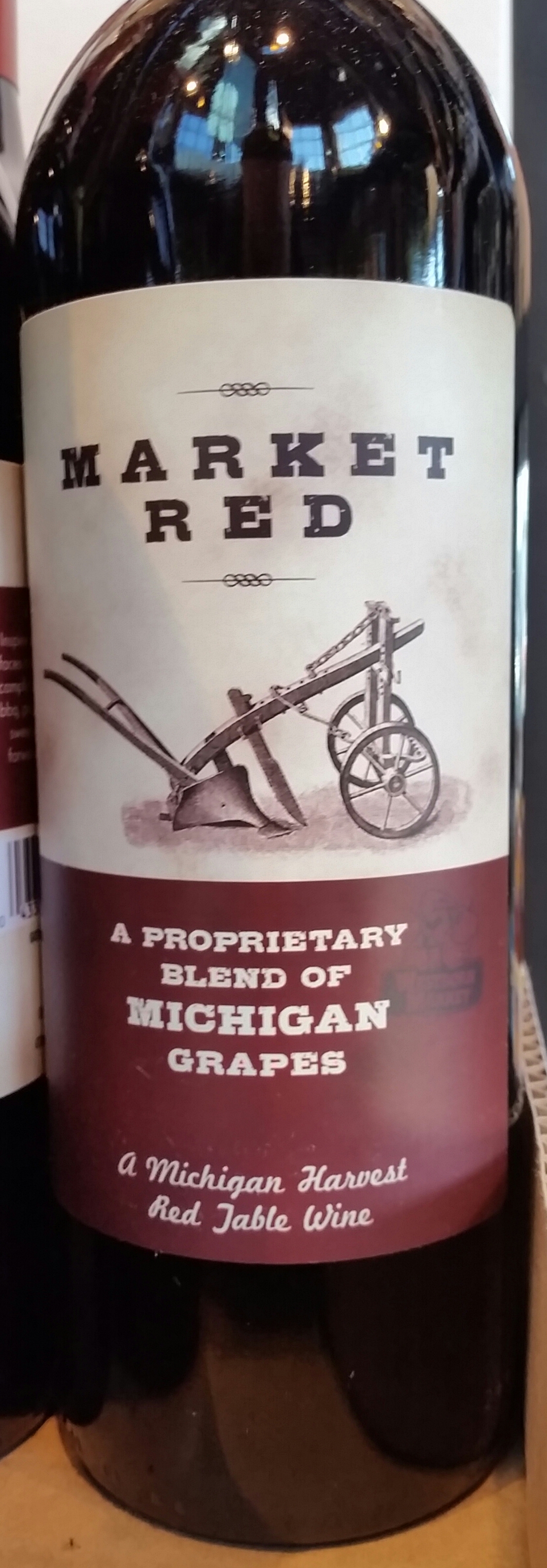
Market Red

Maker: St. Julian, Paw Paw, Michigan, USA. Made for Westborn Market, Dearborn, Michigan, USAwpid-2015-09-23-13.47.59.jpg.jpeg

Grapes: Unknown “proprietary blend”.

Place of origin: Michigan

Vintage: NV

ABV: 12%

Price: $8 (only available at Westborn Market supermarkets)

Appearance: Dark burgundy.

Nose: Dried fig, plum, toasted oak, smoked ham.

Palate: Fruity and tart with a big dose of oak. Blunt with no integration.

Finish: A little chewy, then inky.

Parting words: Market Red is a ham fisted, hybrid-heavy blend made by St. Julian for the Metro Detroit supermarket chain noted for its fine produce, emphasis on locally made products and its chaotic store layouts. They also have their own labeled products that seem to be little more than other Michigan brands with a Westborn label slapped on (e.g. their potato chips). Market Red and its white sibling seem to be relabeled versions of St. Julian’s Founders Red and White respectively, although those are labeled as Lake Michigan Shore, not simply Michigan so I could be wrong about that.

I reviewed  Market White a couple weeks ago and I thought it was OK. This is not even as good as that. There’s not much going on here, and what there is isn’t interesting. $8 is cheap, but one can still do better for the money. If one wants to stick with St. Julian, I would recommend the Simply Red* as an alternative. Better yet, chip in a few extra bucks for Chateau Chantal’s Naughty Red or Nice Red. Or if one wants to stay under $10, go across the street from the Berkley Westborn Market and get something much better at Trader Joe’s for the same price or less.

*I am fully prepared to have egg on my face if Market Red is identical to Simply Red

Market Red is not recommended.

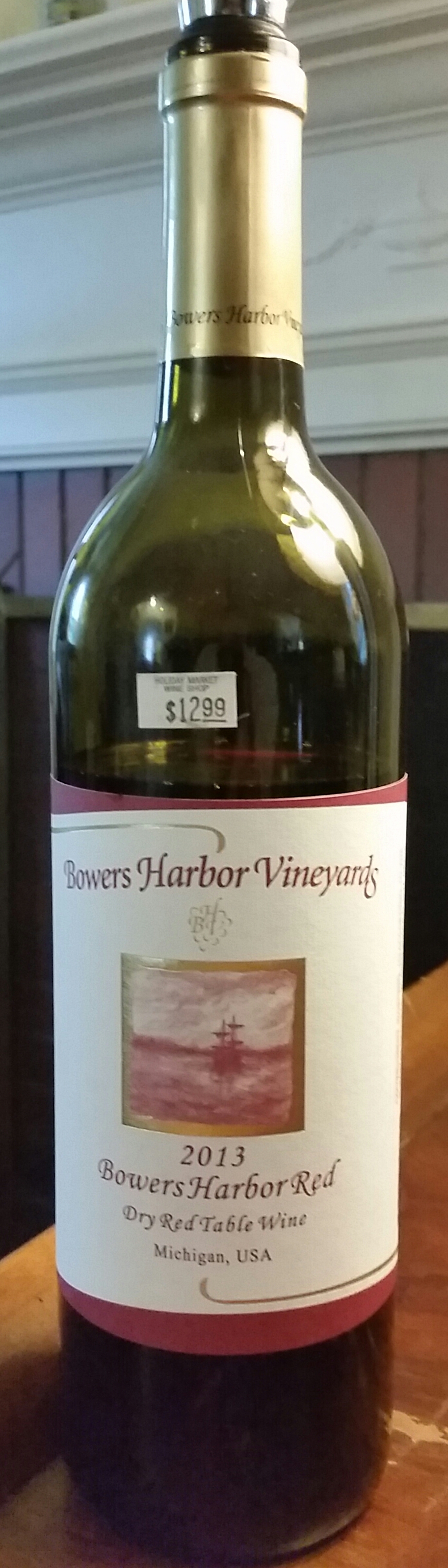
Bowers Harbor Red

Maker: Bowers Harbor, Traverse City, Michiganwpid-2015-06-14-16.01.55.jpg.jpeg

Grapes: Cabernet Franc, Merlot, various red French hybrids.

Place of origin: Michigan, USA

ABV: 12%

Purchased for $13

Appearance: Pale ruby.

Nose: Mixed berry jam, white pepper, touch of oak.

Palate: Medium bodied and medium dry. Strawberries, sweet cherries, blackberries, oak.

Finish: Drying with black cherry and blueberry jam. Fading into chewy tannins.

Parting words: I picked up this wine a few days ago while looking for an easy-drinking, casual table wine for a cookout I have annually. I bought the wrong thing, but in a good way.

The words “table wine” on the label threw me off. This is a table wine in the sense of a wine that goes well with fine food, not in the sense of a cheap wine to drink on a weeknight or serve at a party with people who don’t care about wine.

Bower’s Harbor Red is actually their (successful) stab at a Bordeaux/Meritage style blend. It has everything one expects in a blend like this, even though it is a little fruit heavy at this stage. That get me to the only negative thing in the review. Not enough time in the bottle. If I had done a little research in the store, I might have let this one sit in the cellar for a few years before cracking it.

Even at this age, Bower’s Harbor Red 2013 is recommended.

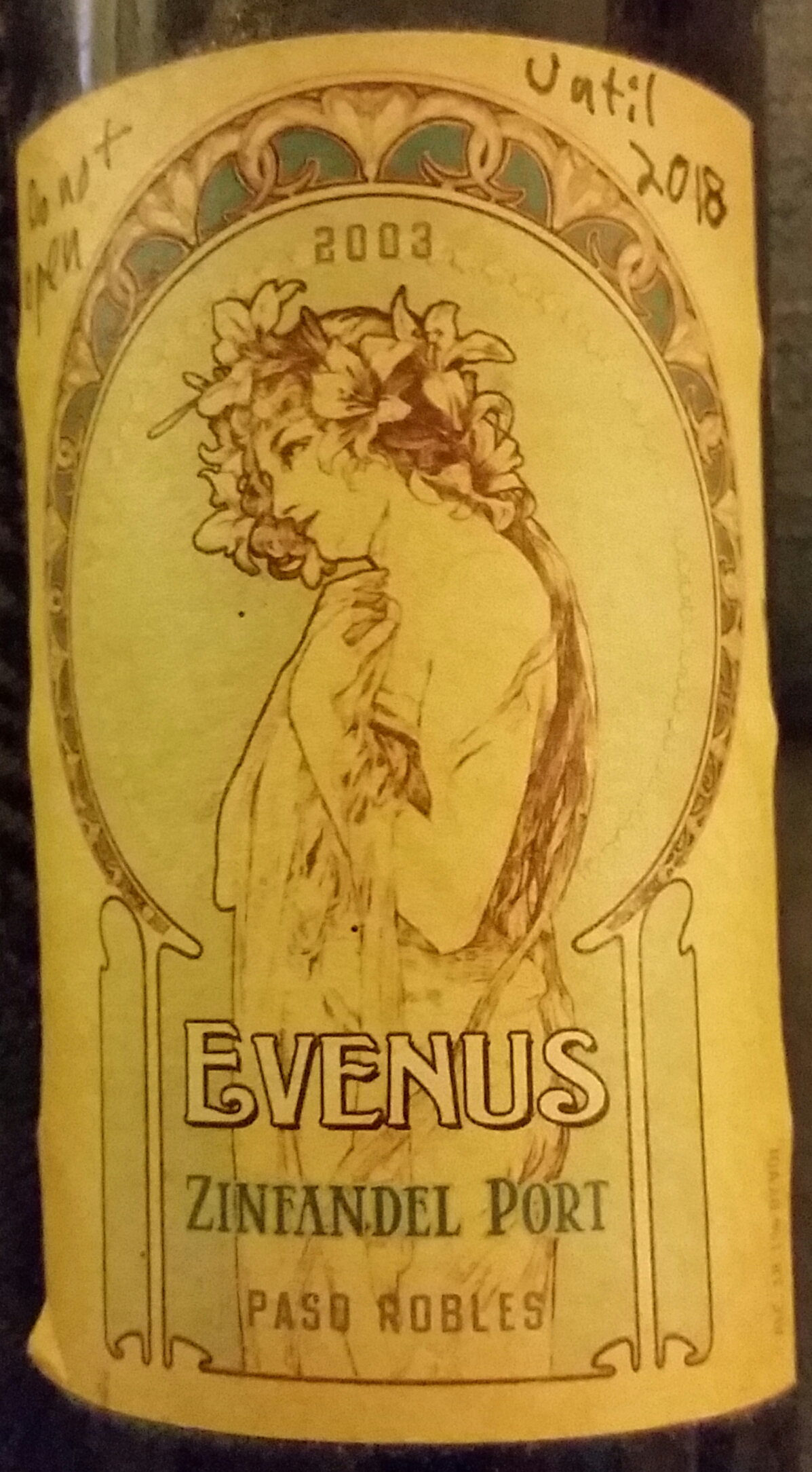
Evenus Zinfandel Port

Maker: Candlewood Cellars, Graton, California, USAwpid-2015-05-20-20.31.44.jpg.jpeg

Place of origin: Paso Robles AVA, California, USA

Vintage: 2003

Style: Fortified dessert wine.

ABV: 18.1%

Purchased for $10/375 ml (Trader Joe’s)

Appearance: Dark purple with a slight brownish tinge.

Nose: Raisins, black currant jelly, plum, blueberry.

Palate: Sweet and fruity. Blueberry jam, black cherry, bit of white pepper. Fades into a slight burn.

Finish: Raisiny and warming.

Mixed: Yes, sometimes I mix my port, even when it’s not really Port. Made for a pretty bad Princeton cocktail, but that might have been down to the cheap gin I used. Did well with a squirt of lemon juice.

Parting words: I purchased this bottle many years ago and planned to open it in 2018, but I jumped the gun a bit, as you can see. I’m glad I did.

True Port, of course, has to come from Portugul, but this California version does a good job of being in the style but retaining its varietal characteristics. It has the toasty heat of a California Zin but has enough elegance and sweetness to pair well with dark chocolate or as a dessert in itself. The price is hard to beat too. Evenus 2003 Zin Port is recommended.