Wiser’s 10 Year Old, Triple Barrel

Maker: Wiser’s, Windsor, Ontario, Canada (Corby/Pernod Ricard)
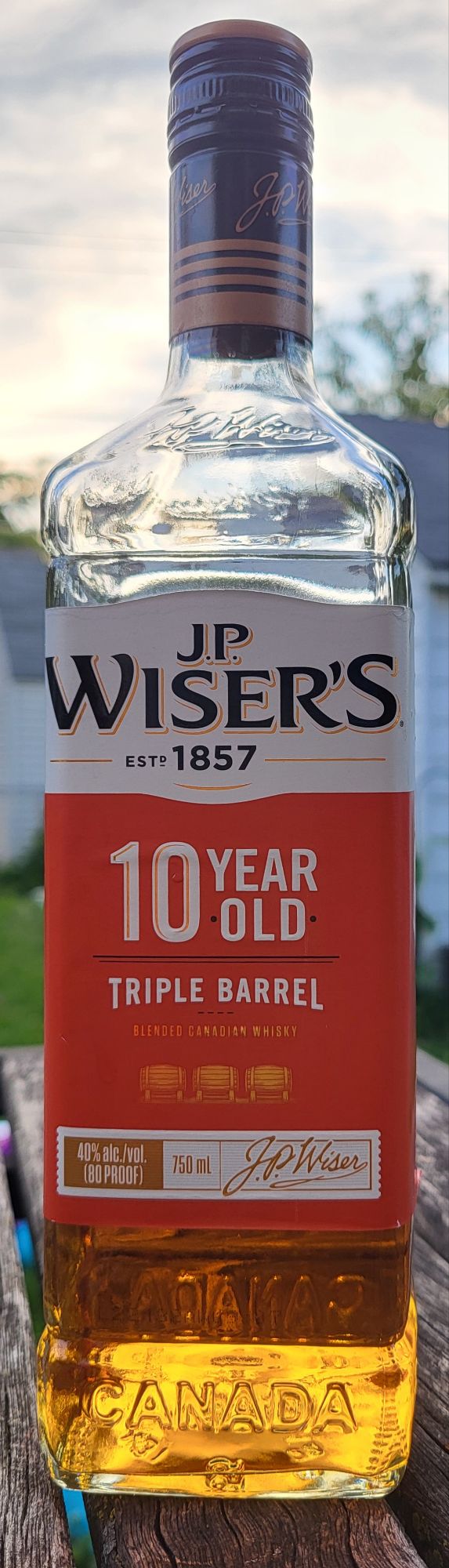
Distillery: Hiram Walker, Windsor, Ontario, Canada.

Style: Blended Canadian Whisky (blend of corn and rye), aged in new oak, ex-bourbon, and ex-Canadian barrels.

Age: 10 y/o.

ABV: 40%

Michigan state minimum: $25

Appearance: Orangy copper.

Nose: Roasted grain, leather, thyme, grape soda.

Palate: Full-bodied and creamy. Bourbon, vanilla custard, heat.

Finish: Anise, roasted sweet corn.

Mixed: Adequate in an old fashioned, but best neat or on the rocks.

Parting words: As long-time readers know, I’m a big fan of Wiser’s entire line of whiskies. It’s made at the biggest distillery (by far) in the Detroit Metro area, so even though it’s technically an import, drinking Wiser’s still counts as drinking local.

Anyway, this is a very fine sipper for the price. As I said above, and as the website recommends, Wiser’s 10 is best consumed neat or on the rocks. Its delicate, elegant personality can easily fall victim to bullying by strong mixers. It even had trouble standing up to the Angostura bitters in the Old Fashioned I’m currently nursing.

What better way to celebrate Canada Day than with a Glencairn of Wiser’s 10, a flavorful, balanced, and affordable whisky that represents some of the best spirits Canada has to offer. Wiser’s 10, Triple barrel is reccomended.
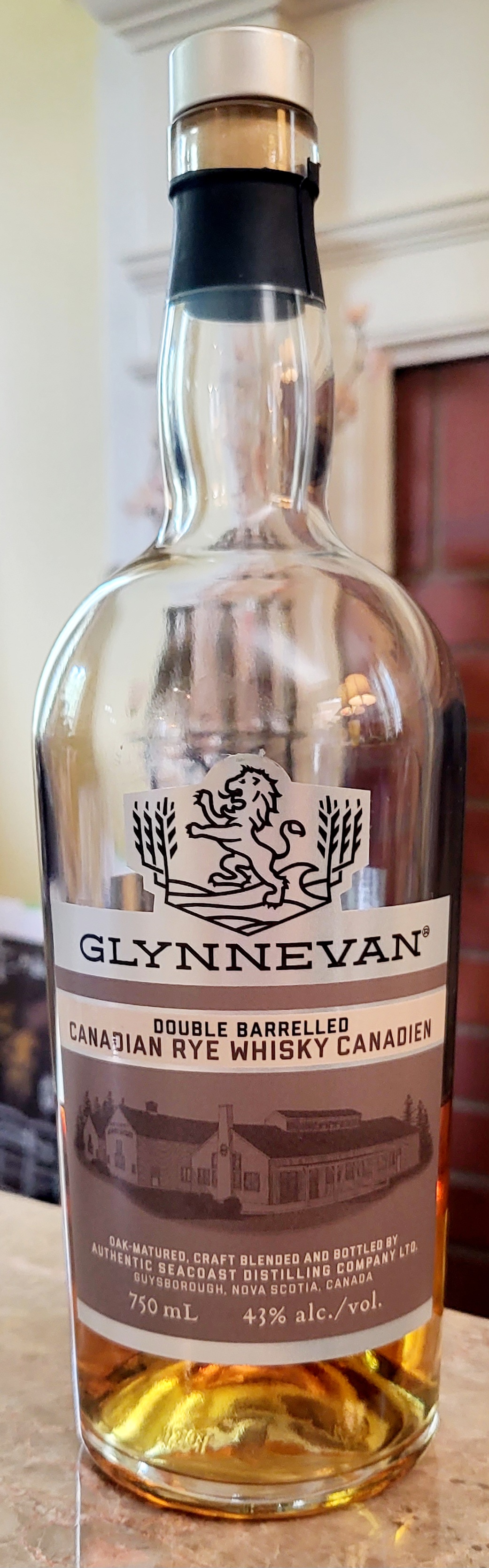
Glynnevan Double Barrelled Rye

Maker: Glynnevan, Guysborough, Nova Scotia, Canada. (Authentic Seacoast Co.)

Distiller: Undisclosed (maybe Alberta Distillers, Calgary, Alberta, Canada.)

Style: Double barrelled (?) Canadian rye.

Age: NAS

ABV: 43%

LCBO price: $56 CAD ($42 USD)

Appearance: Medium light copper.

Nose: Roast corn, old French perfume, newish oak, tarragon.

Palate: Subtle, but full-bodied. Caramel, burn.

Finish: Light and sweet. Taffy, a little heat.

Mixed: OK in an Old Fashioned, gets lost in anything else.

Parting words: This bottle was one of several I brought back from our family vacation to Niagara Falls last summer. I had never seen it before, and I thought the bottle looked nice so I picked it up. While I don’t regret the purchase, I probably would have chosen something else if I had tasted it before.

Glynnevan’s label states that it’s made of “prairie grain” whisky, but it doesn’t name the distillery. The most obvious candidate is Beam-owned Alberta Distillers Ltd. in Calgary, but I saw another review say that it WASN’T Alberta distillate. This reviewer unfortunately didn’t offer any suggestions as to what other distillery it could be, so I’m sticking with my assumption that it’s Alberta.

Wherever it was distilled, it was aged in Eastern Nova Scotia, at a distillery owned by a small beverage company called Authentic Seacoast. They also sell other spirits, in addition to coffee, beer, hand sanitizer, and, of course, maple syrup.

The whisky itself is fine. It has a classic Canadian Rye profile and a rich texture. Other than that, it doesn’t stand out. I’m not sure what the “double barrelled [sic]” process is, but the texture does bear a vague resemblance to rebarreled bourbons I’ve had. I can’t detect notes I would characterize as “maritime”, other than a salted caramel taste that emerges after I let the whisky sit in my mouth for five minutes while thinking of the sea. It could have been aged in Toledo, Ohio, for all that shows up on the palate. It also falls victim to the unfortunate Canadian Whisky tendency to smell great, but fall flat on the palate.

I don’t mean to make it sound like this is bad whisky. It’s not. It’s just not as good as I hoped it would be for the price. Glynnevan Double Barrelled is mildly recommended.

Bear Face

Maker: Mark Anthony Group, Vancouver, British Columbia, Canada

Distiller(s): Undisclosed.

Style: Single grain (corn) Canadian Whisky.

Cooperage: Ex-bourbon, then finished in French oak wine red wine barrels, then in new Hungarian oak.

Age: 7 y/o

ABV: 42.5% ABV

Michigan state minimum: $33

Appearance: Medium copper (coloring is allowed in Canadian whisky).

Nose: Roasted corn, leather.

Palate: Full-bodied and rich. Corn syrup, leather, Cabernet Franc, dried cayenne chili.

Finish: Silky and a little sweet, with a bite at the end.

Parting words: The Mark Anthony Group has nothing to do with the Roman general or the pop singer, it originated in 1972 as a BC-based wine importer. Its best known product is the (in)famous White Claw sparkling seltzer. Bearface is not Mark Anthony’s only Canadian Whisky. It also owns a brand called Dillon’s, which is not sold in Michigan, and I haven’t seen anywhere else in the US.

“What is elemental aging”? you may ask. As far as I can tell, it’s when they put the finishing casks in unheated storage containers outside and let them sit for a bit. I was a little disappointed to read that. I had hoped that they placed the casks in the woods to encounter actual bears, but alas no.

Bearface smells like a punched up version of Crown Royal (probably because of all the corn) but it’s much more pleasant to drink. Too often finishes are used in an attempt to improve bad whisky. I suspect that’s not the case here, but if it is, the attempt has been successful. $33 is a good price for a Canadian of this age and quality. The packaging is a little corny (oh no a bear attacked the bottle!) but Bearface is recommended.

Wiser’s 23 year old Cask Strength Blend

Maker: Wiser’s/Corby, Toronto, Ontario, Canada. (Pernod-Ricard)

Distillery: Hiram Walker, Windsor, Ontario, Canada.

Style: Canadian blend

Age: 23 y/o

ABV: 64.3%

Michigan state minimum: $90

Appearance: Medium copper.

Nose: Christmas spices, caramel, leather.

Palate: Very full bodied. Sweet custard and caramel, then burn. More spice comes out with water. Chinese five spice, brown sugar.

Finish: Horehound cough drops, eucalyptus.

Parting words: This is a brand new offering from Wiser’s in the US. I’m very glad this and the 35 year old Wiser’s are now available in Michigan, since the Canadian border is more or less closed to booze shoppers like myself.

I’m even gladder that these offerings are at a high ABV. It makes the premium price more palatable, and helps overcome the dull palate and finish that plagues many Canadian Whiskeys, at least the ones that make it to the states.

Bourbon may be overblown and Scotch prices tariffed out of control, but we are living in the golden age of Wiser’s. I can’t think of very many better ways to ring in a new year than with an elegant, perfectly balanced, and relatively affordable aged Canadian whisky like this. Wiser’s 23 is highly recommended.

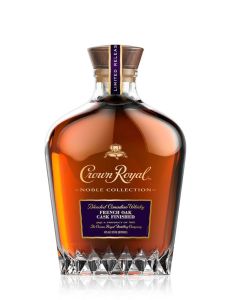
Crown Royal French Oak Cask Finished

Maker: Crown Royal, Gimli, Manitoba, Canada (Diageo)

YKdIteRA.jpeg
Photo courtesy of Diageo.

Style: Toast French oak cask finished Canadian blend.

Age: NAS (at least 3 y/o)

ABV: 40%

Michigan State Minimum: $70 (MSRP: $60)

Note: Noble collection series

Thanks to Lisa Wendling and Diageo for the sample.

Appearance: Medium copper.

Nose: French oak, burnt orange peel, pine resin, creamed corn, grains of paradise.

Palate: Subtle. Custard, toasted oak, vanilla, cinnamon.

Finish: Cut lumber, burn.

Parting words: Despite mocking Diageo and lionizing Vijay Mallya on Twitter for years, the fine folks at Diageo graciously sent me a sample of Crown Royal French Oak Cask Finished Canadian Whiskey.

I’m not a great fan of the regular CR or the special deluxe, but I have enjoyed several of the other expressions, like the Blender’s Mash and Northern Harvest Rye. This is another good one. The French oak (sourced from the Vosges) is not overwhelming and mixes with the classic roasted grain flavors of Canadian whisky to produce pleasant potpourri aromas. Unfortunately, like many Canadian whiskies, the palate doesn’t deliver on the promise of the nose. An extra 5% ABV would probably help in that regard. Still, it’s worth the MSRP, though the Michigan price is pushing it. Crown Royal French Oak Cask Finished is recommended.


Crown Royal Blender’s Mash

Maker: Crown Royal, Gimli, Manitoba, Canada. (Diageo)20190607_210110.jpg

Style: Canadian Blend

Age: NAS

ABV: 40%

Michigan state minimum: $20

Parting words: CR Blender’s Mash began life as CR Bourbon Mash but Diageo, which never seems to remember that it owns bourbon brands, was forced to change the name due to bourbon’s protected legal status. This decision was right and good, in my not particularly humble opinion. The decision was made after the labels were already printed and affixed to bottles, so if you enjoy collecting things that nobody cares about, try to seek out some of those bottles for your collection.

At any rate, Blender’s Mash is a Canadian blend starring one of CR Deluxe’s constituent whiskies. It has a bourbon-like recipe with 65% corn and 31% rye (malt makes up the rest). The result is a very bourbon-like product. It’s rather mild neat or on the rocks but it mixes surpringly well. It makes great Old Fashioneds and Manhattans. In Coke or in a Boulevardier it gets a little lost, but is still pleasant.

I don’t enjoy the standard Crown Royal or the Special Reserve, but this is enjoyable. It’s more refined and sweeter even if it is underpowered. $20 is $5 less than regular Crown and $25 less than Special Reserve, so this is a good QPR selection if you’re into that sort of thing. Crown Royal Blender’s Reserve is recommended.

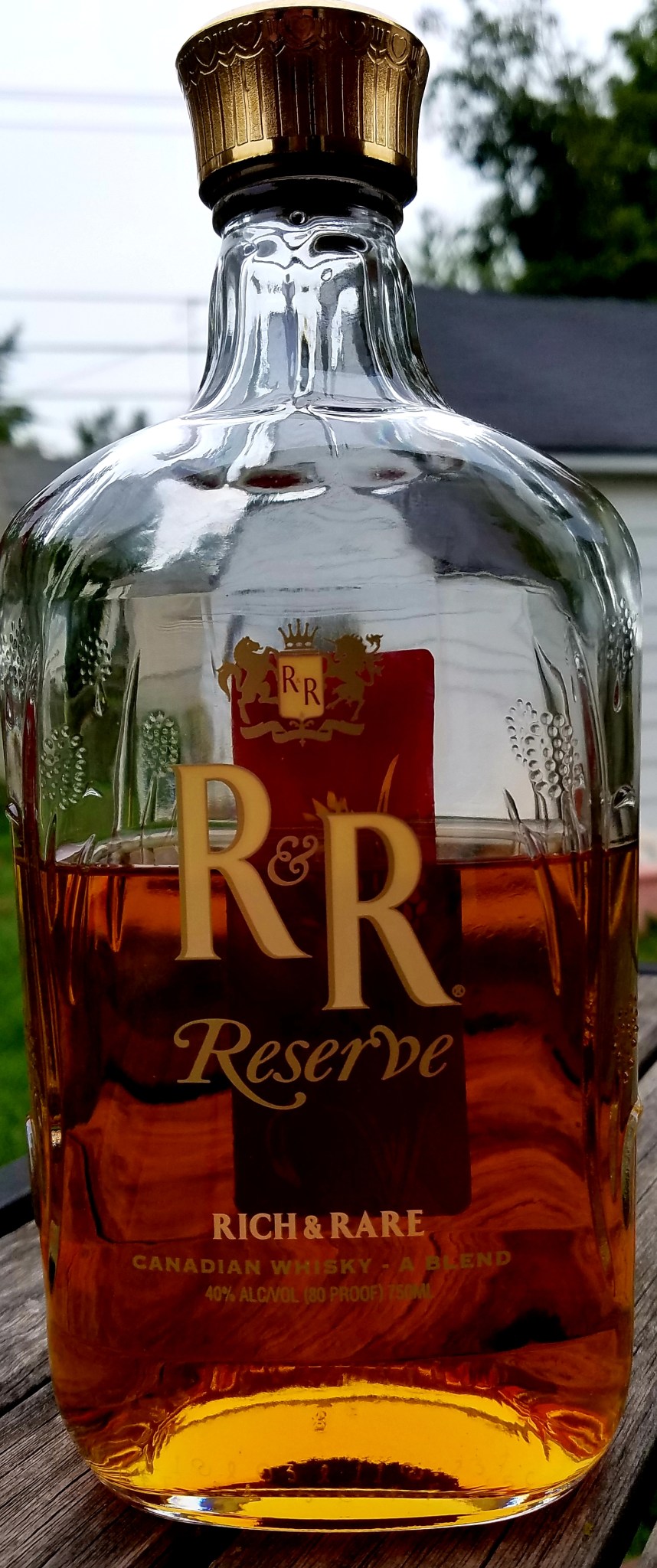
R & R Reserve

Distillery: Unknown. (Hiram Walker? Brand owned and bottled by Sazerac).20180907_191155.jpg

Style: Canadian blend.

Age: NAS (at least 3 y/o)

ABV: 40%

Michigan state minimum: $10

Appearance: Bright copper.

Nose: Alcohol, rye toast, grilled sweet corn.

Palate: Full-bodied and round. Creamed corn, burn, a touch of oak.

Finish: Burn, Red Pop, tiny touch of oak.

Mixed: Did well with Ginger ale, on the rocks and in an Old Fashioned.

Parting words: When I was writing this review, I went back to look at my notes on Rich & Rare to compare the two. What I noticed was that I forgot to write the tasting notes and only had the basic information and parting words. I dug into the depths of my tasting notebook and found my R & R notes and I have now updated that post.

Ahem. So, how does it compare? R & R was heavy on the dessert notes, especially vanilla and butterscotch. R & R Reserve is more balanced and has much more rye character and fruit than its cheaper sibling. R & R R is better suited to sipping than R & R, but R & R R mixes just as well or maybe even better. So while R & R is a good value, it’s worth your while to lay down an extra $2.50 for the Reserve.

The bottle is very pretty too, for what it’s worth. R & R Reserve is recommended.


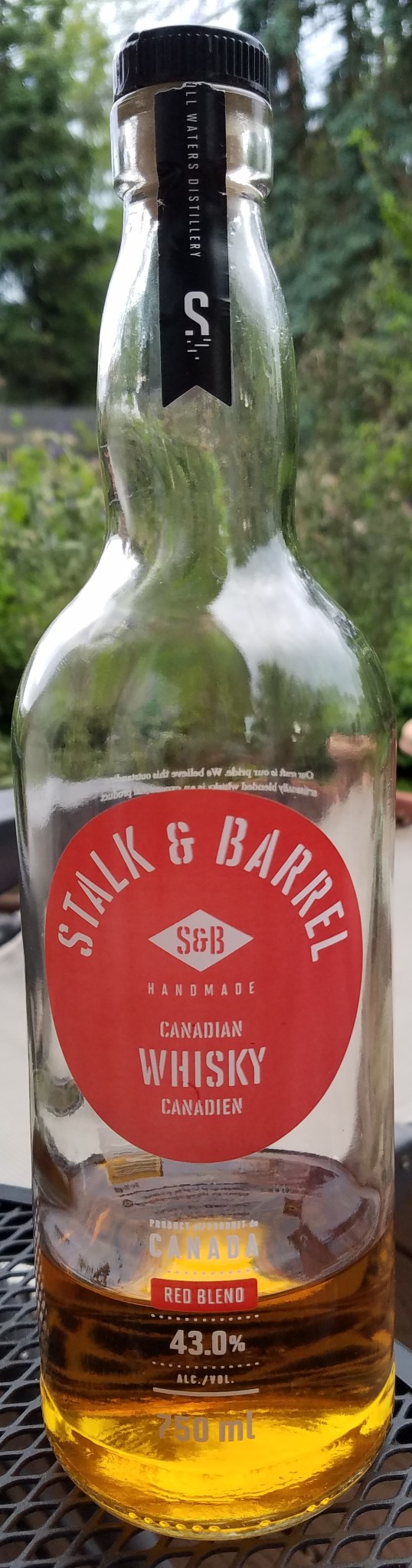
Stalk & Barrel: Red Blend

Maker: Stillwaters Distillery, Concord, Ontario, Canada20180601_200954.jpg

Style: Blended Canadian whisky (Malt, rye, corn)

Age: NAS

ABV: 43%

Michigan state minimum: $42

Purchased for $35 Canadian at the LCBO ($27 US)

Appearance: Brassy orange.

Nose: New oak, corn whiskey, sweet cinnamon.

Palate: Medium bodied. Corn whiskey with a bit of rye spice with creamy malt on the back-end. Green cardamom, milk chocolate, oak.

Finish: Drying, chocolate covered pretzels.

Mixed: Stalk & Barrel Red did very well in all cocktails I tried: Old Fashioned, high ball with ginger ale, Manhattan, Trois Rivières, and a couple of others I don’t remember.

Parting words: Barry Stein and Barry Bernstein (actual names of two different people) founded Stillwaters Distillery, makers of Stalk & Barrel, in 2009. Their first blend was 11+1. It was entirely sourced. It has since been replaced by the Stalk & Barrel Blue (40% ABV) and Red blends which contain a combination of sourced and Stillwaters distillate. Stillwaters may be best known for their highly regarded Stalk & Barrel 100% Malt whisky which sells for $70 at the LCBO ($54 US). They also have a new (I think) 100% Rye whisky which sells for about the same price. Both are entirely made from spirit distilled by Stillwaters.

Red blend’s price is a great one in Canada. Not so much in the US. This is a good weeknight or mixing blend, but it’s not $42 US good. If you can get a bottle at LCBO prices, Stalk & Barrel Red Blend is recommended.


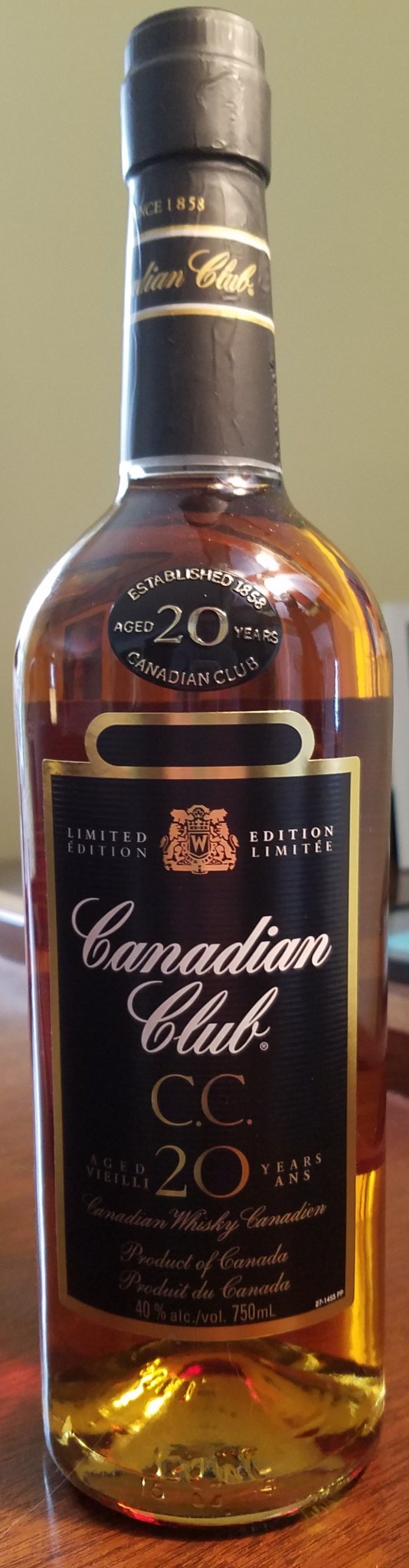
Canadian Club 20

Maker: Canadian Club, Windsor, Ontario, Canada. (Beam Suntory)20180307_101740.jpg

Distiller: Hiram Walker, Windsor, Ontario, Canada. (Corby)

Age: 20 y/o

ABV: 40%

Purchased at an LCBO store for $60 Canadian ($47 US). Not available in the US.

Appearance: Dark caramel.

Nose: Roasted corn, clove, oak, alcohol, dried flowers.

Palate: Full-bodied. Caramel corn, crème brûlée, oak, toffee.

Finish: Creamy and sweet with some heat.

Parting words: While the 8 y/o and 12 y/o expressions of Canadian Club have their own recipes, the 6 y/o and 20 y/o expressions share the same blend. The only difference is age and you can taste it. All the elements of Canadian Club are there but in much more mature form. It’s like seeing a picture of a your significant other in formal attire after looking at a picture of them as a drooling toodler. The spice, oak and sweetness are much better integrated than in baby CC. CC 20 manages to be both flavorful and very drinkable, an impressive feat at 40% ABV.

Like Scotland, Canada’s climate lends itself to long-aging periods for its whiskies. I wish there were more Canadian whiskies in the 20+ year range on the market.

It tastes even better when looking at the price tag. It doesn’t reach the dizzing heights of Wiser’s Legacy or special releases, but it’s better than it needs to be for $47. It blows away similarly priced Crown Royal expressions. If this were available in the states it would be on my regular rotation for sure.  Canadian Club 20 is highly recommended.

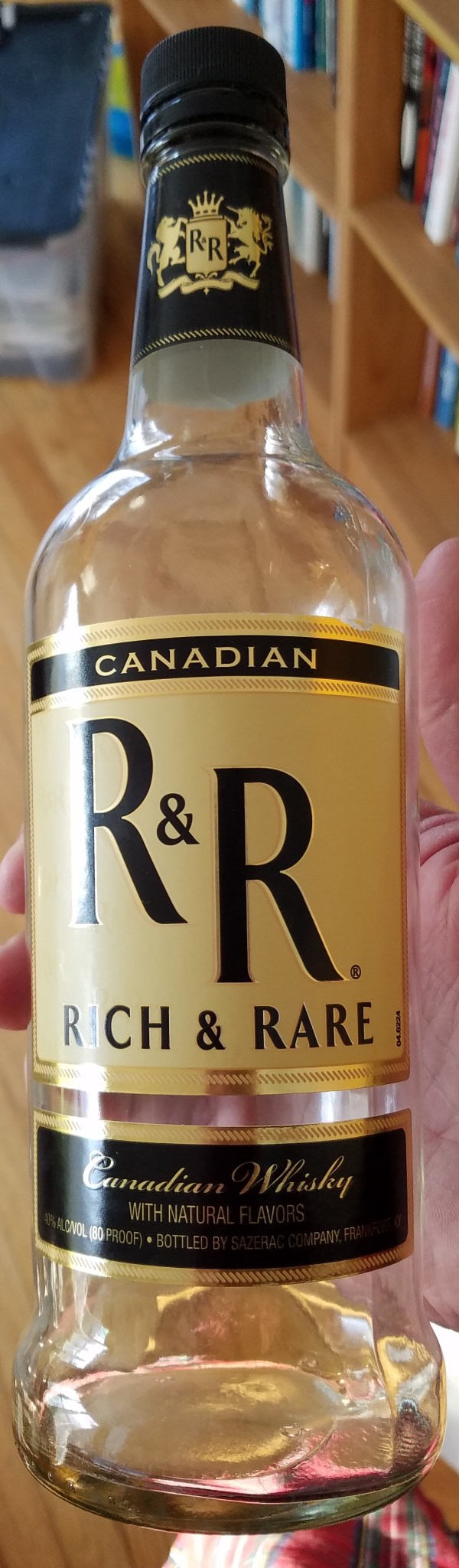
Rich & Rare

Distillery: Unknown. (Hiram Walker? Brand owned and bottled by Sazerac).20180105_160402.jpg

Style: Canadian blend.

Age: NAS (at least 3 y/o)

ABV: 40%

Michigan state minimum: $7.50

Appearance: Medium copper.

Nose: Caramel blondies, tarragon.

Palate: Medium-bodied. Hard toffee, alcohol, vanilla.

Finish: Creamy. Cherry juice drink.

Mixed: Did very well mixed. Brings fruit and vanilla to Manhattans, old fashioneds and even eggnogg. I didn’t care for it with ginger ale or on the rocks for that matter.

Parting words: Rich & Rare is a pretty old brand. It was founded in the 1920s by Harry Hatch of the Godderham and Worts distillery in Toronto. G & W stopped distilling whisky in 1950 and R & R was moved to the Hiram Walker plant in Windsor. Sazerac now owns the brand, but chooses not disclose the distiller. It seems reasonable to assume that it’s still being made at Hiram Walker, though.

I was pleasantly surprised at how good R & R was straight and in classic cocktails. In the <$10 category, Canadian blends tend to fall into one of two categories. Either they’re flavorless or have a sappy pungency that resembes burnt creamed corn or kitchen garbage that should have been taken out two days ago. R & R has a bit of that pungency, but it’s kept in check by vanilla and fruit. The result is a wonderful, full-bodied (and cheap) sipping and mixing whisky. H2O is not R & R’s friend, though, causing the whisky to virtually disappear. It can be a little hard to find here in Canadian Club country, but it’s worth picking up. There is also a Rich & Rare Reserve (R & R R) available for $2.50 more in Michigan that I hope to review soon. Rich & Rare is highly recommended.