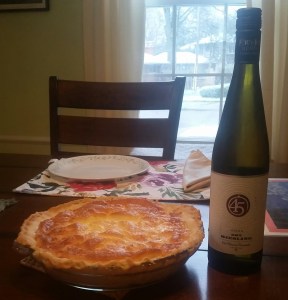
Forty-Five North Dry Riesling, 2011

Maker: Forty-Five North, Lake Leelanau, Michigan, USA20160405_115701-1.jpg

Place of origin: Old Mission Peninsula AVA, Michigan, USA

ABV: 11.25%

Purchased for $19 (Hills, Bloomfield Hills, Michigan)

Appearance: Medium gold.

Nose: Dry and flinty. Lychee, water chestnut, Bartlett pear, dried savory, epazote.

Palate: Peach, tangerine, ruby red grapefruit, mineral water, dried chicory.

Finish: Medium length. Dry, herbal with a slight bitterness.

20160402_182008-1.jpgParting words: Having had an odd experience when I visited Forty-Five North last summer, I had been put off from reviewing any more of their stuff. I’m very glad I reviewed this one, though. I found it languishing on a shelf at store at which I usually buy Scotch and decided to pick it up earlier this year, even though I was unsure if it would still hold up.

Held up it did. This wine was wonderful. It’s one of the driest Michigan Rieslings I’ve had. I ate it with a couple different meals, including a cheese tart, made with Raclette from Leelanau Chesse (it’s all they make). It did well with everything. It’s drinking very well now, obviously, but it will probably still be good a year or more from now. $18 was the original MRSP but it’s easily worth $19-$20 or more. 2011 is still showing very well for Michigan whites. Forty-Five North’s 2011 Dry Riesling is highly recommended.

Bel Lago Cherry Wine

Maker: Bel Lago, Cedar, Michigan, USA20160329_112358-1.jpg

Cherries: Balaton, Montmorency.

Place of origin: Leelanau Peninsula, Michigan, USA

ABV: 9.5%

Price: $15 (winery)

Appearance: Dark crimson.

Nose: Grape jelly, tart cherry pie filling, cassia, brown sugar, whiff of oak.

Palate: Full-bodied and velvety. Overdone cherry pie, allspice, mace.

Finish: Chewy, sweet and a little tart.

Parting words: Bel Lago has the reputation of being the best cherry wine produced in Michigan. That’s probably because they invented it. Michigan State’s Dr. Amy Iezzoni, wife of Bel Lago founder Charlie Edson, is responsible for bringing the Balaton cherry variety to the US after discovering it in Hungary. The variety’s original name was Ujfehértói Fürtös but Dr. Iezzoni thought Balaton (after Lake Balaton) rolled off the tongue a little better. Her goal was to help break up the Montmorency monoculture in the US. She has succeeded. Balaton produces wine and juice that has more depth and complexity than Montmorency and has the ability to reach wine-like sugar levels of 24 °Bx or so.


The wine is lush, complex and velvety in a way that few fruit wines are. There’s no doubt that this is cherry wine, but it transcends the category at a decent price. Bel Lago Cherry Wine is highly recommended.

Mulling it over: Spiced wine head to head to head

A three person, three bottle mulled wine tasting.

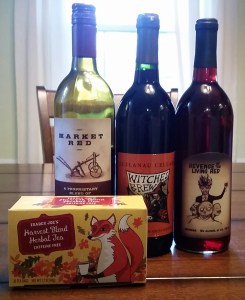
HM= Homemade mulled wine. Westborn/St. Julian (Paw Paw, Michigan, USA) Market Red + Trader Joe’s Harvest Blend Herbal Tea + sugar.

WB= Witches Brew (Leelanau Cellars, Omena, Michigan, USA)

LR= Revenge of the Living Red (Sandhill Crane, Jackson, Michigan, USA)

ABV20160320_190951-1.jpg
HM: 12%

WB: 12.5%

LR: 12%

Price

HM: $8 (wine only)

WB: $8 (Hollywood Market, Madison Heights)

LR: $18 (Michigan by the Bottle Tasting Room, Royal Oak)

Appearance

HM & WB: About the same. Dark burgundy.

LR: Beet red, almost blood red.

Nose

HM: Sweet with cinnamon and orange.

WB: Big cinnamon with some cherry juice.

LR: More typical red wine. Dry.

Palate

HM: Tart orange. Tannic.

WB: Easy Drinking. Sweet cherries, cinnamon. Not much else.

LR: Spicy with a little orange zest and cherry.

Finish

HM: Chewy. A little sweet orange.

WB: Sweet & light.

LR: Spicy dried chillies. Ancho?

Amy’s thoughts

HM: Smells sweet but tastes dry. Good once you get used to it.

WB: Cinnamon bomb. Almost too sweet.

LR: Drier. Finish burns. Don’t like it too much.

Pete’s thoughts

HM: Don’t like it. Bad, bitter aftertaste.

WB: Like it better. Cinnamon is good!

LR: Like WB but drier. Like it the best.

Parting words: I had wanted to do a mulled wine tasting for a while, but having three bottles open at the same time is a bit much, even for me. Normally Mrs. Sipology Blog would help out but she’s currently very knocked up so I invited friends of the blog Amy and Pete over to help.

For the homemade mulled wine, I had used TJ’s Harvest Blend Herbal Tea for mulled cider back in the fall with very good results so I thought I’d try it with wine. I thought it was OK, but not as good as the two pre-mulled wines. I kept adding more sugar which made it better but still not good enough. Next fall maybe I’ll start work on perfecting a mulled wine recipe. My own creation is not recommended.

Witches Brew is a big seller for Leelanau Cellars (known for their seasonal table wines) and it floods into grocery stores statewide in September and lingers well into the winter. The Halloween theme has always been a little puzzling to me, since I associate mulled wine with the Christmas and New Year’s holidays. Pete assured me that he and many other people do associate mulled wine with the fall hayride season. At any rate, cinnamon is the dominant flavor, but clove and nutmeg also go into the brew. It has it’s share of haters, but I think it’s a decent buy for the right price (<$8). It’s NV so beware of overly dusty bottles, but they drink fine at a year or a little more after hitting the shelves. Recommended.

Sandhill Crane’s goes with a hipper zombie theme. Their original spiced wine was Night of the Living Red ($17 from the winery). According to the website it’s made with “cloves, cinnamon, nutmeg, vanilla, orange peel… and essence of fresh-squeezed zombies!” Revenge is infused with all those (including the zombie juice) plus estate grown chiles. The chiles add a nice shot of heat to the wine and set it apart from products like Witches Brew. Some, like Amy, may find this off-putting but I loved it. It’s $10 or more than WB but the taste is worth it, plus $2 from every Living Red bottle sold goes toward the college fund of the artist who created the label. That’s added value. Revenge of the Living Red is recommended.

Fleur Blanche

Maker: Lone Oak Vineyard, Grass Lake, Michigan, USA2016-03-16-12.32.43.jpg.jpeg

Place of origin: Michigan, USA

Grapes: Unknown (Riesling and something else?)

Vintage: NV

Style: Semi-sweet white blend

ABV: 12.8%

Purchased for $15 (Papa Joe’s, Birmingham)

Appearance: Dark gold, chablis-ish with some particulate matter.

Nose: Oxidized. Strong canned peaches, leather, cooked green cabbage, apple juice.

Palate: Peach syrup, cabbage, winter savory.

Finish: Sweet pear juice, white grape juice, lemon thyme.

Parting words: The last Michigan wine I reviewed was one that I though was over the hill. While it didn’t taste bad, it didn’t taste like it should. It had fallen apart. That was a varietal from a big (by Michigan standards), Up North winemaker.

This wine, Fleur Blanche, is a blend from a small, downstate winemaker. Lone Oak is a fairly old winemaker in Grass Lake, east of Jackson, Michigan founded by Kip and Denise Barber. It’s not technically a part of the Pioneer Wine Trail, but it’s in the same general region, north of the Irish Hills. This specific blend is no longer produced by Lone Oak and it hasn’t been for a few years. I stumbled across it at a grocery store yesterday. It’s oxidized, but it’s really not too bad. It’s retained a luscious texture and perfumed, fruity nose, even if a bit of cabbage has wafted in. It goes to show what time in a bottle can do even for table wines. It lacks the freshness and vitality it probably had at a younger age, but it’s still a fun drink, at least on an intellectual level. Just goes to show that an old cheap wine is not necessarily a terrible one. Fleur Blanche NV is mildly recommended.

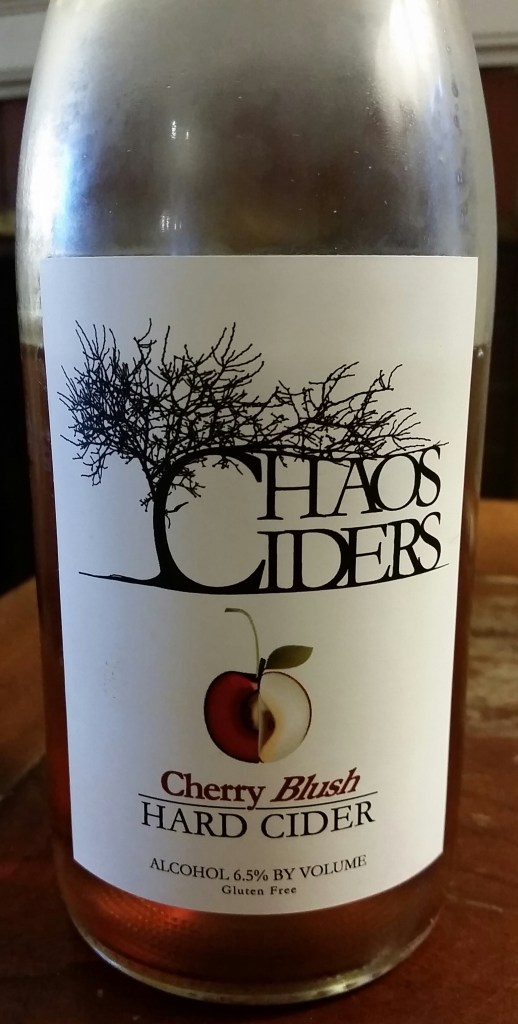
Cherry Blush Hard Cider

Maker: Chaos Cider/Verterra Winery, Leland, Michigan, USA20160308_175236-1.jpg

Style: Cherry flavored apple cider.

ABV: 6.5%

Purchased for $13/750 ml (Michigan by the Bottle Tasting Room, Royal Oak). Growlers available at the winery for $20, with $16 refills.

Appearance: Dark pink with light bubbles.

Nose: Fresh cut Golden Delicious apples, cherry jello salad.

Palate: Effervescent and semi-sweet. Apple juice, cherry cola, fruit salad juice (with cherries of course), slice of Granny Smith.

Finish: Crisp, dry and quick.

Parting words: I reviewed the Just Apple from Chaos Cider (Verterra Winery by day) back in the fall and I liked it. I like this too. According to a phone conversation with the owner, Cherry Blush starts as cider, then is fermented with a “cherry wine base” (unfermented I assume). This is not a case of adding cherry juice or flavoring to a finished cider. The more complex method shows in the excellent balance here. This isn’t fruit covering up subpar cider, it’s a harmonious blend of cherry and apple. I like it before, during or after a meal. Chaos Cherry Blush is recommended.

Left Foot Charley Pinot Blanc, 2013

Maker: Left Foot Charley, Traverse City, Michigan, USA20160203_155824.jpg

Place of origin: Island View Vineyard, Old Mission Peninsula AVA, Michigan, USA

ABV: 13.5%

Other information: 21.4° brix at harvest, harvested 10/19/2013, 6 g/l residual sugar.

Purchased for $24

Appearance: Pale straw

Nose: Mild lychee, lemon thyme, mineral water

Palate: Tangerine, Meyer lemon, sage, pear, peach, thyme.

Finish: Overripe Bartlett pear, mandarin orange, tannin.

Parting words: Pinot Blanc is a funny wine. In Europe, it’s associated with Alsace, but Alsatian Pinot Blanc is really just a white wine blend made with white wines from grapes in the Pinot family. In Alsace, Pinot Blanc (the variety) and Auxerrois (a very close sibling to Chardonnay) are the most common components. Sometimes Pinot Gris and Pinot Noir (vinified white) are blended in as well. Comparing an Alsatian Pinot Blanc to an American varietal Pinot Blanc is not really a fair comparison because of that.

I had intended to compare this wine to an Alsatian I had in my cellar, Emile Beyer’s Tradition Pinot Blanc. I didn’t end up doing that comparison because it just didn’t seem fair to compare the two for the reasons above, but also because Tradition is $10 cheaper and is not single vineyard. That said, I did drink them in close proximity and the LFC Pinot Blanc held up well, for what it’s worth.

Pinot Blanc is a grape variety that has come up as a potential “signature grape” for Michigan. I’ve ranted about this on Twitter at least twice. When the marketeers who love the idea of signature grapes talk about Pinot Blanc they use buzzwords like “crisp”, “clean” and “quaffable”. Those words always translate to “boring”. The idea is to grab Pinot Grigio drinkers who are looking for book club type wines that are easy to pound down and don’t require much contemplation. I think this is the wrong approach because I don’t want to see Michigan tying its fortunes to a dull grape and being perceived as a dull wine state, instead of one producing robust, complex white wines on par with anywhere else in the world.

Most Michigan Pinot Blancs I’ve had have indeed been boring. They have very little going on other than acidity. The ones that aren’t boring have been bad. Left Foot Charley’s 2013 Pinot Blanc is the exception. It’s complex and fruity, but with plenty of acidity to keep things moving along. $24 puts it on the high side for Michigan whites, but it’s worth it. If all Michigan Pinot Blancs could be like this, I might change my mind about the grape. Left Foot Charley 2013 Pinot Blanc is recommended.

Aviatrix Rouge 2010

Maker: Chateau Aeronautique, Jackson, Michigan, USA2016-01-07-11.13.04.jpg.jpeg

Grapes: 45% Cabernet Sauvignon, 30% Cabernet Franc, 15% Syrah, 10% Merlot (acc. to website)

Place of origin: Michigan, USA

Style: Left bank-ish red Bordeaux blend

ABV: Unknown (14%-ish)

Price: $35 (Michigan by the Bottle)

Appearance: Dark burgundy with a brownish hue.

Nose: Black currant jam, blueberry, wild blackberry, vanilla.

Palate: Understated. Blueberry juice, black cherry, wine cap mushrooms, vanilla.

Finish: Oaky, then fades into chewy berries. Slight tang at the end.

Parting words: I was very impressed with this wine. I expected a smoky beast like its cousin and successor, Aviatrix Crimson, but what I got was a multifaceted gem of a wine. The fruit, oak, earthy and other elements are in perfect harmony here. Rereading my notes, they seem to give the impression that this is a very fruity, sweet wine. It’s not. The fruit notes are all fairly muted and balanced out with flavors I can’t quite name.

$35 is hell of a lot of money for a Michigan red. I think this one lives up to the price tag, though. Paired great with a steak and with pork roast. Drinking great now (especially after breathing for a while) but will probably be as good or better for the next two to three years or longer. Aviatrix Rouge 2010 is recommended.

Two Lads Sparkling Pinot Grigio

Maker: Two Lads, Old Mission Peninsula, Traverse City, Michigan, USA2015-12-29-17.57.18.jpg.jpeg

Grape: 100% Pinot Grigio/Gris

Place of origin: Old Mission Peninsula AVA, Traverse City, Michigan, USA

Vintage: NV

ABV: 12.5%

Price: $30 (Michigan by the Bottle Tasting Room)

Note: Pop cap closure.

Appearance: Light gold with big fizz and persistant, quick bubbles.

Nose: Dry. Minerals, lychee, sage.

Palate: Effervescent. Mineral water, Meyer lemon, mandarin orange.

Finish: Dry and flinty. Slightly herbal and smoky.

Mixed: I tried this wine in a mimosa and a Death in the Afternoon (using herbsaint instead of absinthe). It was good in both and would probably work well in other champagne cocktails like a Kir Royale, but it’s so good on its own I’m not sure why anyone would want to use it in cocktails.

Parting words: I was blindly grabbing at bottles in a box behind some wine racks yesterday trying to find a sparkler to pull out for a review today. The first bottle I pulled out was a bottle of mid-range prosecco. Looks OK, I thought, but maybe I have something more interesting in there. I reached back again and pulled this out. “That’s it!” I actually said out loud.

I expected this to be tasty, but not quite this tasty. This wine is dry enough to remind me of brut Champagne, but retails enough sweetness and Pinot Grigio character to make it enjoyable to drink. Bone dry champagne never really turned me on, anyway. This is non-vintage but they also have produced vintages of this in years past. It pairs well with a wide variety of cusine, too.

Two Lads Sparkling Pinot Grigio is a winner. Drink it early in the evening while you can still tell how good it is and appreciate how pretty the conical bottle is. Highly recommended.

Peninsula Cellars Late Harvest Riesling, 2014

Maker: Peninsula Cellars, Traverse City, Michigan, USA2015-12-09-16.13.49.jpg.jpeg

Place of origin: Old Mission Peninsula AVA, Traverse City, Michigan, USA

Style: Unintentionally sparkling late harvest Riesling

ABV: 8.5%

Price: $14 (website)

Appearance: Light gold with a huge fizzy head and big ongoing effervescence.

Nose: Cut ripe pear, mineral water, apple juice.

Palate: Very fizzy with stone fruit notes and some oregano on the back end.

Finish: Sweet and apple-y with a pebble of minerality.

Parting words: Everybody makes mistakes, even winemakers as skilled as those at Peninsula Cellars. A few months ago Peninsula Cellars released only a few cases of their 2014 late harvest Riesling to the public. A couple pallets of that wine were released to Michigan by the Bottle Tasting Rooms and offered to wine club members like yours truly. I love Peninsula Cellars and I love Riesling, so I jumped at the chance and bought two bottles. Shortly after picking them up, I received an email that the wine had effectively been recalled. The wine in one of the pallets had undergone an expected and undesired secondary fermentation in the bottle, turning it into a sparkling wine. This created a lot of pressure in the standard Riesling bottles the wine was in and some of the corks had started popping out, rather forcefully in some cases. Anyone who bought it was asked to return the wine to the store for a store credit or drink immediately. I returned one of my bottles but took my life into my hands by keeping the other one in my cellar. It leaked a bit, but never exploded. The leaking began to get worse last week so I brought it up into the fridge at that time.

This wine is delicious but disappointing to me in a couple ways. First, I’m disappointed that I didn’t get to taste the 2014 Peninsula Cellars LHR as the winemakers intended. Second, I’m disappointed that Peninsula isn’t regularly making a sparkling Late Harvest Riesling because this is so good. Sadly, these sparkling bottles are probably all gone by now but if you happen to find one, I highly recommend you purchase it.

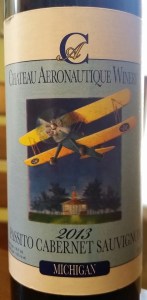
Chateau Aeronautique Passito Cabernet Sauvignon, 2013

Maker: Chateau Aeronautique, Jackson, Michigan, USAwpid-2015-11-11-11.19.03.jpg.jpeg

Place of origin: Michigan, USA

Style: Straw wine (made with raisins)

ABV: 12%

Price: $45/375 ml (Michigan by the Bottle Tasting Room)

Notes from label: 38.0 brix at harvest, residual sugar 15% by weight.

Appearance: Rusty red, big heavy robe, thick slow legs.

Nose: Tawny port, cherry, other stone fruit.

Palate: Full bodied and fruity. Plum, cherry pie filling, vanilla, white pepper.

Finish: Big cherry flavor, like a cherry wine. Gets a litt

Parting words: The technique for making straw, or raisin, wine is an ancient one. The epic poet Hesiod (a contemporary of Homer) mentions a Cyprian straw wine called Manna in his poem Works and Days. Ancient Carthage produced a straw wine the Romans loved and called passum. The modern Italian term for raisin wine is passito, derived from the ancient wine. Amarone is probably the best known, but passito is made all over Italy, and in the Czech Republic (slámové víno), France (vin de paille), Greece (variety of local names), Austria and Germany (strohwein or schilfwein), among other places. Drying the grapes has a similar effect to “noble rot” (botrytis) or allowing the grapes to freeze, as in ice wine. The result is an intensely flavored, thick, sweet wine. As one might guess, the process also adds to the price of the wine.

The label describes this wine as “cherry pie in a glass” which is a bit of an overstatement, but it does have a wonderfully fruity aroma and flavor that makes for a delicious holiday dessert wine. It might also make a good gateway dessert wine with its easily discernable flavors. It pairs well with chocolate and it’s probably my favorite of the dessert wines currently on pour at Michigan by the Bottle Tasting Room in Royal Oak. The label says to serve it chilled, but I’ve had it both chilled and at room temperature and it was good either way.

My only concern with this is the price. This is a good wine but for $45/375 ml I want it to be exceptional. I understand that a number of factors contribute to the high price of this wine, like being from a boutique producer, being made using a special technique and being made with a variety that can be hard to grow successfully in Michigan. After factoring that in, the price is still high, but it’s a unique product for Michigan and I think that unconventional thinking should be rewarded. It’s not like anyone’s going to be trying to chug this from an oversized balloon glass or a Solo cup after all. Chateau Aeronautique Passito Cabernet Sauvignon is recommended.