Alamos Chardonnay

Maker: Alamos, Tunuyán, Argentina

Place of origin: Mendoza, Argentina

Vintage: 2008

ABV: 13.5%

Appearance: Brassy gold.

Nose: oak, lemon zest, thyme.

On the palate: Medium bodied and medium sweet. Brown butter, clementine, white pepper.

Finish: A little tart but fades into pretty heavy oak. Not pleasant, but not unbearable.

Parting words: This wine was the result of another grocery store shelf dig.  I hadn’t had a chard for a while and I was looking for one with some good age on it from somewhere that wasn’t California or Burgundy and this wine fit the bill.

It’s not bad really. It’s overoaked in the standard New World style, but not by much. I can see this wine going well with fairly standard seafood or roast chicken dishes. On its own, it’s a good enough for a weeknight or a casual chat with friends. The price is a little high for this sort of thing ($13) but it’s not outrageous either. My only criticism is the finish. Maybe a little less oak would have taken some of the bitterness out of the finish. Anyway, Alamos 2008 Chardonnay is recommended.
 

Sandhill Crane Noiret

Maker: Sandhill Crane Vineyards, Jackson, Michigan, USA

Grape: Noiret

Place of Origin: Michigan, USA

Vintage: 2010

ABV: 12.5%

Thanks to Oscar for helping me acquire this wine.

Appearance: Brick red with broad legs.

Nose: Black pepper, rose petals, cedar, smoke.

On the palate: Medium bodied and sweeter than the nose would indicate, but still not sweet. More black pepper, wood, black cherries, blueberries, with a faint herbal note. Gets fruitier as it opens up.

Finish: Slightly bitter and peppery. A bit of cherry juice as it fades.

Parting words: Noiret is a Cornell University hybrid, the result of a cross between Steuben and an unnamed hybrid. Most of the grape’s ancestry is North American, but there are no foxy flavors to be found here.

Going by the name, I was expecting something close to Pinot Noir, but there is no resemblance whatsoever. This is closer to a brash young Shiraz or Pinotage, which is not a bad thing, just something to be aware of. The grape’s peppery, rustic characteristics may be enhanced by the climate of South Central Michigan which is much drier and hotter in the summertime than Northwestern and West Michigan.

At first pour this wine is all black pepper and not particularly pleasant. Once it airs out it becomes enjoyable, especially with food. I can see grape this doing very good things for a red blend, perhaps providing some welcome spice to a less flavorful red, but it does fine on its own here. This price is a bit high (close to $20), but I think it’s worth it  for a chance to try a wine from fairly rare grape. It’s worth giving a try if you are ever in the neighborhood. Sandhill Crane 2010 Noiret is recommended.

BWW House Red

Maker: Blue Water Winery, Carsonville, Michigan, USA

Grapes: Chambourcin, Catawba, Concord.

Place of origin: Michigan, USA

Vintage: 2009

ABV: 13%

Appearance: Very dark purple. Nearly black.

Nose: Concord grape jelly, lighter fluid, moldy blackberries.

On the palate: Light -bodied and tangy. Grape juice, brown sugar, lemon peel with the pith attached.

Finsih: Charcoal, iodine, grape pips.

Parting words: When I first saw the name of this wine, I thought it was BBW House Red, not BWW House Red. That made me a little excited, but this wine has none of the voluptuous delights of a BBW. While most wine labels exaggerate, this one goes over the top in declaring this to be a “very drinkable wine”. “Barely drinkable” would be more apt. The label also recommends serving the wine chilled, which is excellent advice. I would recommend drinking it at around 33° F or 1° C or better yet, not at all.

The winery is located less than ten miles away from Lexington, Michigan, a popular vacation destination on Lake Huron, so I suppose the bulk of their business comes from well-meaning tourists looking for something local. I received a half bottle of this wine as a gift from a very sweet lady who also happens to be the mother-in-law of a good friend of mine. I didn’t take it personally. I’m just glad I didn’t spend any money on this.

I have no beef with native grape varieties or hybrids. Long time readers will know that I have given positive reviews to wines made with hybrids and native grape species. I am not a speciesist. I have had 100% Chambourcin , Catawba, and even Concord wines that were much, much better than this. This is just a bad wine.

What makes it worse is the price, $14 a bottle on the website. That is absurd. One can get a very tasty wine from practically anywhere in the world for that much, including all four Michigan AVAs. Why bother with something like this? In case you haven’t already guessed, BWW House Red is not recommended.

Arcturos Riesling, 2011

Maker: Black Star Farms, Traverse City, Michigan, USA

Place of Origin: Montaña Rusa, Montague Estate & Capella vineyards, Old Mission AVA, Michigan, USA

Style: Medium Dry

ABV: 11%

Appearance: Pale straw with not much in the way of legs.

Nose: Lemon thyme, orange zest, ripe peach, mango nectar.

On the palate: Full bodied for a Riesling. Slightly racy but with just enough minerality. Fresh apricots, peach cobbler, hint of limestone.

Finish: Mildly sweet and citric. A little background minerality and then a soft fade.

Parting words: Long time readers of this blog have come to expect gushing reviews of Four Roses special releases and wines from Black Star Farms. This review will not depart from pre-established patterns in any way. This is a delightful wine. The 2011 vintage in northwestern Michigan continues to impress. This wine is like that rare friend who is intellectual but not pedantic and a lot of fun at parties but never embarrassing to be around.

My only regret is that I drank it too soon. I probably should have waited for until next summer but it’s damn good night now. 2011 Arcturos Riesling is highly recommended.

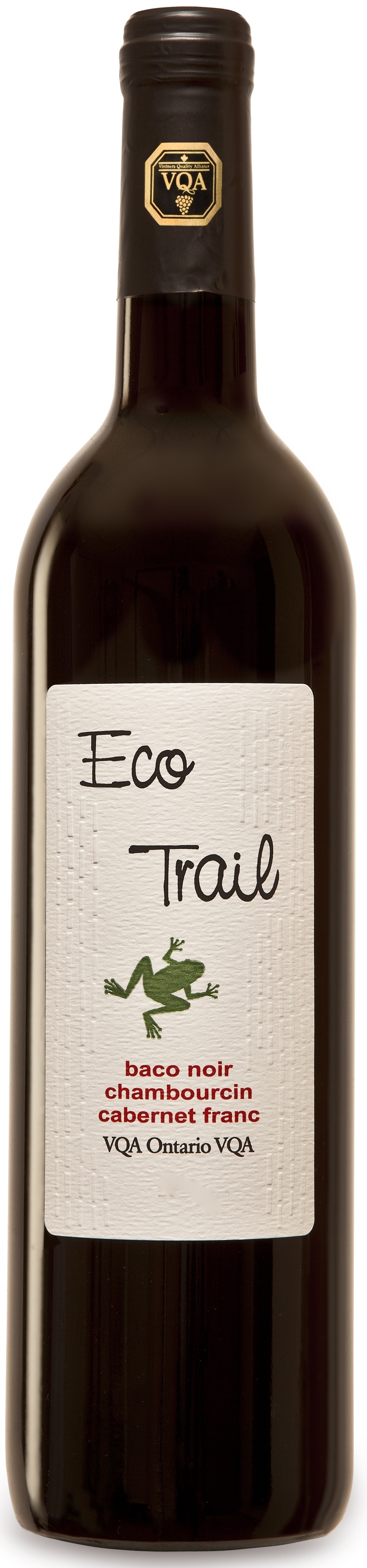
Eco Trail Red

Maker: Pelee Island, Kingsville, Ontario, Canada.EcoTrailRed

Grapes: Cabernet Franc, Baco Noir, Chambourcin.

Place of origin: Ontario VQA, Canada

Vintage: 2010

ABV: 13%

Appearance: Dark crimson.

Nose: Blueberry jam, oak, hint of cedar, black pepper and allspice.

On the palate: Medium bodied. Wild blackberries, prunes, cherry juice, mace, toasted oak.

Finish: A little chewy and drying. Nicely balanced between fruit and wood.

Parting words: When I was at Pelee Island Winery last summer Eco Trail Red was by far the best red wine I tasted that day. They sell a bewildering number of different wines and as one would expect the whites are better on the whole than the reds. That said, some of their reds are very enjoyable and they’re not always the most expensive ones. This wine is a prime example of that.

Eco Trail is an excellent table wine in the best sense of the term, i.e. a wine to drink with a meal. The Cab Franc takes the lead and the two hybrids round it out nicely. It’s affordable and doesn’t need more than a year or two in the bottle to blossom. I have never seen it for sale in the US, or even anywhere else in Canada other than the winery shop. If you are in Ontario and happen to be driving by Kingsville on the north coast of Lake Erie, stop in and pick up a bottle. Eco Trail Red is recommended.

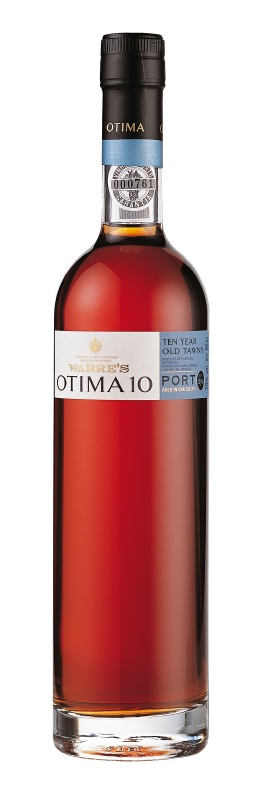
Warre’s Otima 10

Maker: Symington, Oporto, Portugulwarre-otima-10-year-port

Style: Tawny Port

Age: 10 y/o (bottled 2009)

ABV: 20%

Appearance: Rust-colored with quick legs.

Nose: leather, blueberry jam, black raspberries, alcohol.

On the palate: Medium bodied and sweet. Red currant jelly, allspice, clove, nutmeg, black cherry, oak, alcohol.

Finish: a hint of wood, berry jam, a bit of pumpkin spice.

Parting words: Otima 10 is the first tawny Port I’ve had in a long time. It’s much better than the supermarket garbage I used to get in my college days. While I don’t think tawny is my favorite style of Port, this one is certainly a very tasty wine that pairs very well with chocolate and rich desserts.  It has that distinct leathery taste that all tawny Ports have, but with enough fruit to keep it from becoming unpleasant. It is easy to find and easy to drink. Simple, but sometimes that’s all you need. Otima 10 is recommended.

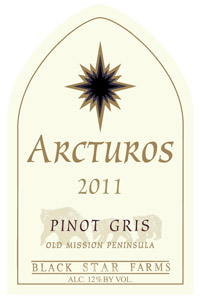
Arcturos Pinot Gris

Maker: Black Star Farms, Traverse City, Michigan, USAArc Pinot Gris 2011

Grape: Pinot Gris/Pinto Grigio

Place of origin: Montague, Capella and Montaña Rusa vineyards, Old Mission AVA, Michigan, USA

Vintage: 2011

ABV: 12%

Appearance: Golden straw.

Nose: Peach, pear, Golden Delicious apples, paper white narcissus.

On the palate: Crisp and medium dry. More Golden Delicious, stone, apricot, smoke.

Finish: Fairly dry. White grapefruit, smoke, a lingering background sweetness.

Parting words: I’m a big fan of Alsatian Pinot Gris, and I’ve had some good Michigan ones too, so I was eager to get into this bottle. It did not disappoint. It has a great balance of varietal character with some citrus notes, but they are well in check by smoke and minerality. This is firmly in the Alsatian, not Italian, style of making wine with this grape. It’s very food friendly (buttery fish or light vegetarian fare work best) and is affordable for a wine of this quality. The 2011 Arcturos Pinot Gris is recommended.

Butler Limited Edition Indiana Chambourcin

Maker: Butler Winery, Bloomington, Indiana, USA

Vintage: 2009

ABV: 12%

Appearance: Dark burgundy.

Nose: Oak, wild blackberry, dried tobacco. Bears a passing resemblance to Chianti.

On the palate: Full bodied, but delicately sweet. More forest fruit, toasted oak, blueberry.

Finish: slightly tangy, but with some cedar in the background.

Parting words: Chambourcin is a hybrid grape that is pretty widely planted around Eastern North America. It was developed by hybrid guru Joannes Seyve and became available to planters first in the 1960s. Its advantages are its disease resistance and a lack of foxiness. It is an ancestor of the increasingly popular Regent grape. It ages well too, or at least this one did.

This stuff was all over the place in a very unpleasant way during the first hour after I opened it . After it sat in the fridge with a stopper on for 2-3 hours it settled down into a good, very food friendly wine. It’s not incredibly complex but it has a slightly rustic character that keeps things fun. My only criticism is that it is slightly over-oaked. Less oak and more fruit might have put it into the highly recommended category. Overall it’s a good effort, though. Butler Limited Edition Indiana Chambourcin, 2009 vintage, is recommended.

Murmur

Maker: Left Foot Charley, Traverse City, Michigan, USAlfc murmur

Grapes: Vignoles, Riesling, Chardonnay, Traminette

Region: Michigan, USA

Vintage: 2010

Style: White table wine

ABV: 11%

Appearance: Light gold with not much in the way of legs.

Nose: Apricot, Meyer lemon.

On the palate: full bodied and crisp. pear, tangerine, peach.

Finish: Light and sweet. Lemonheads, red grapefruit. Fairly short.

Parting words: According to the LFC website, the grapes that go into Murmur change from vintage to vintage. The 2010 vintage was intended as an homage to the easier-drinking vintages of Vouvray. It does very well in that regard. LFC has done a very good job of blending hybrids with the Riesling and Chard to create that effect.

Murmur is fruity and a bit tart, but with enough body and aroma to keep things interesting. They recommend this wine be consumed young and in the summer time. I didn’t exactly follow that recommendation, but I can tell you that it tastes pretty good at 2+ y/o in the middle of winter. It works fine with a meal but might work better as a before dinner wine or with a cheese course. Murmur 2010 is recommended.

Arcturos 2010 Sur Lie Chardonnay

Maker: Black Star Farms, Traverse City, Michigan, USA

Place of origin: Capella Vineyards, Old Mission AVA, Traverse City, Michigan

Style: Unoaked Chardonnay

ABV: 12%

Appearance: Pale gold

Nose:  apricot, pear, tangerine.

On the palate: Medium bodied and medium sweet. Slightly tart but easy going with lots of varietal character. More apricot, blood orange, pink grapefruit.

Finish: Slightly bitter and citric, moves from pink to white grapefruit.

Parting words: This is an unoaked Chardonnay, but it still is very much a Chardonnay. Lots of that fruity but medium dry Chard character. I’ll admit, I’m not as fond of the product of this grape as I once was. This is a nice enough wine, and it’s a nice change of pace from oaky California Chards, even if it doesn’t really impress. The wife thinks it tastes like a Vihno Verde, and I can see what she means. I doubt Chardonnay will ever reach the heights that Riesling does in Michigan, but if winemakers continue to be creative, Chard may have a place. At any rate, Arcturos Sur Lie Chardonnay is mildly recommended