Pinhook “Bourbon Resolve” (orange wax, 2023)

Maker: CJS Beverage Corp, New York, New York, USA.

A tall, thin bourbon bottle with orange wax on the neck and the neck and head of a racehorse on the label.

Distilled: Castle & Key, Frankfort, Kentucky, USA.

Aged at Kentucky Artisan, Crestwood, Kentucky, USA.

Style: Rye recipe Kentucky Straight bourbon.

Mashbill: 75% corn, 15% rye, 10% malt.

Age: 3 y/o

Proof: 101.48 (50.74% ABV)

Purchased on sale for $30 at Vine & Table.

Appearance: Light copper.

Nose: Caramel apple, roasted almonds.

Palate: Sweet, and medium bodied. Fruity with green apple, then some berries, then burn. Water tames the burn.

Finish: Minty with a little blackberry.

Parting words: This is the “flagship” Pinhook release. Like every other Pinhook release, this one is paired with a racehorse. This is for marketing, not culinary, purposes. This 2023 release is paired with Bourbon Resolve, a fairly successful stallion born in 2020. So far his best finish was first at Keeneland in April of 2023. He’s earned around $111,000 so far. Pinhook is hardly the first bourbon brand to use horses in its marketing, and I’m sure it won’t be the last, but it’s currently the most specific.

Anyway, enough about the dang horse. The bourbon is only three years old, but, aside from a dimly remembered Willett release, this is probably the best 3 y/o bourbon I’ve ever had. That’s not the highest of praise, but it’s not nothing. It’s fruity, which isn’t something one encounters much in bourbon anymore. It’s best on the rocks, but does fine in an old fashioned, and with a splash of water.

As corny as the horsey gimmick is, I expected to be annoyed by this, but it was actually pretty good for the price. Pinhook Bourbon Resolve/orange wax/flagship/whatever is recommended.

Bardstown Bourbon Company Origin Series, Bottled-in-Bond

Maker: Bardstown Bourbon Company (BBC), Bardstown, Kentucky, USA

Distiller: Bardstown Bourbon Company (BBC), Bardstown, Kentucky, USA (100%)

Style: Bonded wheat bourbon

Age: 6 y/o (distilled fall of 2016)

Proof: 100 (50% ABV)

Michigan state minimum: $50

Appearance: Medium copper.

Nose: Toasted almonds, smoked chilis, leather, paperwhite narcissus.

Palate: Full bodied and sweet. Caramel, chocolate covered cherries, heat. Water takes away the heat, but leaves the candy behind.

Finish: Dry and tingly. Oak, hot chilis. Much the same with water, but a little nutty too.

Mixed: At $50 a bottle, I’m hesitant to mix this, but it did well in an old fashioned.

Parting words: This is the first Bardstown Bourbon Company product I’ve reviewed. I almost took a tour there once with my Georgia Bourbon Society comrades (I was named president of the Mitten Chapter), but I had a conflict, so I missed out.

That was before BBC had released any of its own product. I heard the tour was great, but, frankly, I wasn’t too interested in them back then. The point at which I begin taking micro distillers seriously is usually at the point when they release a bonded whiskey (or brandy or whatever). Bottled-in-Bond (from the company’s own distillery) is the test to make it into a regular spot in my liquor cabinet. If you can do that well then you’ve proven that you are worth my time.

BBC has done it well. They’ve actually done it better than they needed to. This six year old tastes like an eight year old from a large distillery. The depth of flavor and complexity was a big, welcome surprise. You can mix it or drink it on the rocks and it will be just fine, but it’s best neat or with a little water.

The entirety of BBC’s line is currently in the Michigan price book. That includes the Origin (100% BBC distilled), Discovery (BBC + sourced whiskey), Collaborative (finished), Distillery (collaborations?), and Fusion (marriage of different mashbills) series. Origin is the most affordable, which is convenient because it’s the series I’m most interested in. The Collaborative series interested me before I saw the prices. Paying well over $100 for finished, sourced whiskey doesn’t make a lot of sense to me.

At any rate, THIS bourbon is reasonably priced for its quality and proof. Bardstown Bourbon Company Origin Series, Bottled-in-Bond is recommended!

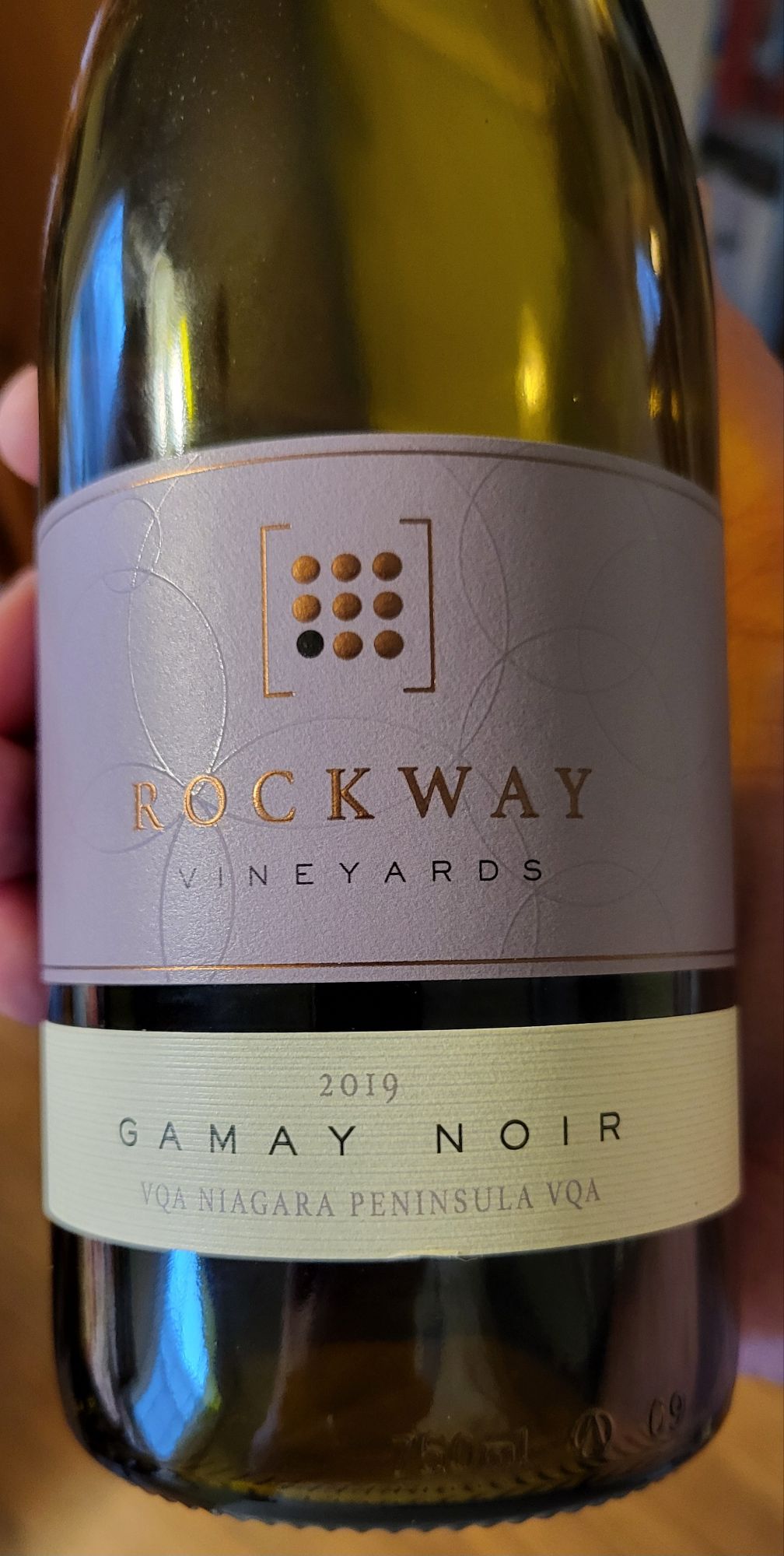
Rockway Gamay Noir, 2019

Maker: Rockway Vineyards, St. Catherines, Ontario, Canada.

Grape: Gamay.

Place of origin: Niagara Peninsula VQA, Ontario, Canada.

Vintage: 2019

ABV: 12%

Purchased for CA $19 ($14 US)

Appearance: Dark ruby.

Nose: Fruit punch, allspice, a little toasted oak.

Palate: Medium bodied. Black raspberry, blueberry, cherry juice, leather.

Finish: Tart and a little tannic.

Parting words: This the third of the Rockway label wines I’ve reviewed, and the last one left in my cellar (not including my bottle of When Pigs Fly Pinot Noir from friend of the blog André Proulx & friends). For my review of Rockway’s 2017 Alter Ego Syrah and a brief account of our visit to the winery, click here. For my review of their 2018 Small Lot Riesling, click here, and click here for my review of the 2021 When Pigs Fly rosé of Pinot Noir.

At any rate, this wine is a good example of an Ontario-style Gamay. It’s got dark berries, spice, and a little oak. It’s closer to Juliénas or Régnié than the lighter, more acidic style of Gamay produced by makers in Northwestern Michigan. Some Ontarian Gamays can lean too far into oak and spice, but this one preserves that character while maintaining a healthy balance.

At any rate $19/$14 is a very good price for this wine. If you find yourself in St. Catherines, pick up a bottle. 2019 Rockway Gamay Noir is recommended.

Nathaniel Rose Marsanne, 2013

Maker: Nathaniel Rose, Suttons Bay, Michigan, USA

Grape: Marsanne (100%)

Place of origin: Center West Vineyard, Domaine Berrien Estate, Lake Michigan Shore AVA, Berrien Springs, Michigan, USA.

Style: Orange wine.

Vintage: 2013

ABV: 13%

Bottle provided by Nathaniel, via Marshall Wehr. 2016 Marsanne/Rousanne from the same vineyard in the same style currently on the NR menu for $32.

Notes: 18 mos in French Oak, 147 cases produced.

Appearance: Medium amber.

Nose: apple juice, tangerine, sherry, bubblegum.

Palate: Medium bodied and dry. Not nearly as much oxidation as I expected, given the nose. Old cider, apple cores.

Finish: Dry and slightly tannic.

Parting words: I hate to say it but Marsanne is one of my least favorite grapes. Maybe a part of that has been how it has historically treated, resulting in oxidized, nutty, sherry-like flavors and aromas, things I don’t normally enjoy in white wines. I have had Marsanne or Marsanne blends that I have enjoyed, though. For one of those, read my review of Cody Kresta’s Marsanne-Roussanne here.

When I first opened this bottle, and gave the wine a sniff, my heart sank. There it was: sherry. But when the liquid touched my tongue, I was pleasantly surprised. It was all fruit on the palate, apple in particular. Its advanced age was showing a bit as well, but it was still very easy drinking. The sherry in the nose and grip in the finish served as bookends to the still vibrant fruit in the middle! Nathaniel’s choice to produce his this wine in an orange style has added depth and complexity to this wine without making it too weird. That’s a neat trick, and he has me excited to try more Michigan Marsanne in the future!

Parting words: This wine is another in our ongoing 2012 Project, and one of the few white wines participating. Nathaniel Rose isn’t very widely distributed, but bottles do crop up in finer Metro Detroit wine shops. The best way to purchase NR wines is the website or the winery itself. 2013 Nathaniel Rose Marsanne is recommended!

For more information on Nathaniel Rose, check out my 2018 post about my visit to his winery here.

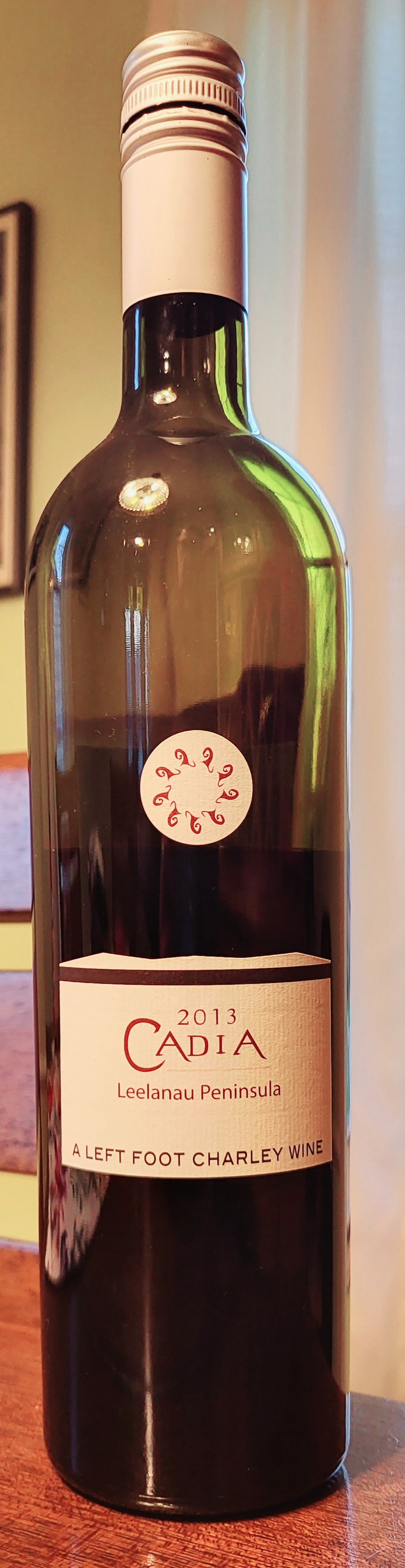
2013 Cadia: Gill’s Pier

Maker: Left Foot Charley, Traverse City, Michigan, USA.

Grower: Gill’s Pier, Northport, Michigan, USA

Grapes: 53% Merlot, 47% Cabernet Franc. Field blend.

Place of origin: Gill’s Pier estate, Leelanau Peninsula AVA, Northport, Michigan, USA.

Vintage: 2013 (final year for Gill’s Pier)

ABV: 12.5%

Purchased for $33 (Holiday Market)

Appearance: Dark purple.

Nose: Blackberry, blueberry, amaretto, tiny bit of oak.

Palate: Medium bodied. Dry with fruit jam. with some tannic grip on the back end.

Finish: Light, drying. Acid and oak.

Parting words: My first review of 2013 Gill’s Pier Cadia was a video review back in April of 2020. I liked it then and I like it now even more! Bottle aging has mellowed the tannins even further, allowing the fruit to become even more prominent, and the wine even more balanced. There were clear changes to the wine over three years, despite it being under a screw cap. This puts to rest any doubt in my mind as to whether screw top wine ages in the bottle or not. It clearly does.

Sadly, Gill’s Pier is now an alpaca and yak (!) farm, but I do still have a couple more bottles from them to taste as a part of the 2012 Project. I had planned for the project to wrap up around now, but 2023 was a very busy year for a variety of reasons, so I’m behind. Never fear, though, we will finish the project in 2024!

Left Foot Charley’s 2013 Gill’s Pier Cadia is recommended.

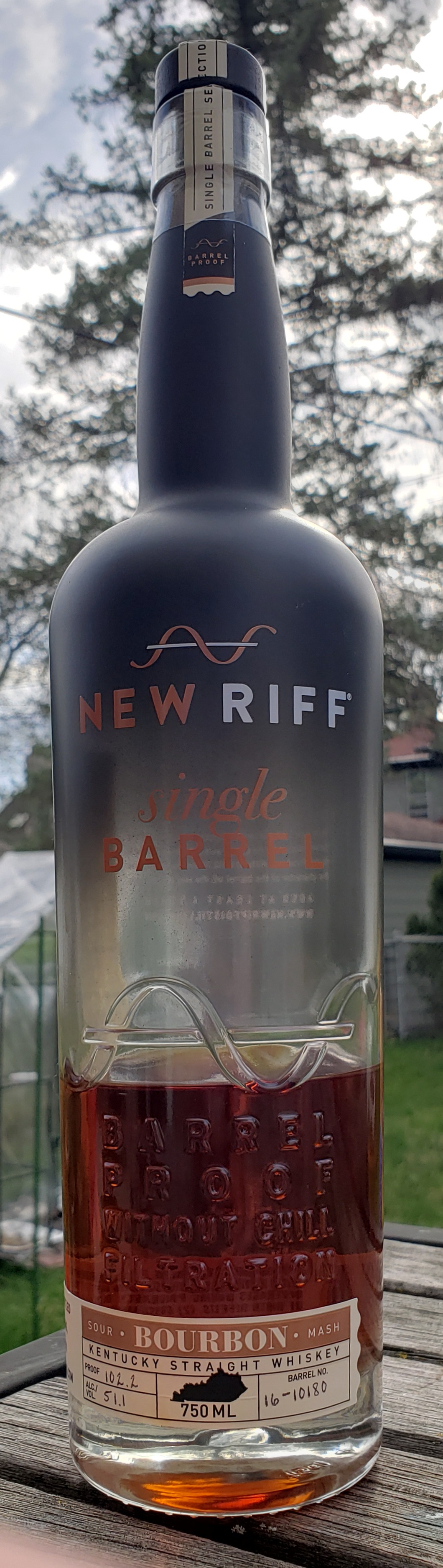
New Riff Single Barrel, Red Wagon selection

Maker: New Riff, Newport, Kentucky, USA

Style: High rye bourbon.

Age: 4 y/o

Proof: 102.2 (51.1% ABV)

Michigan state minimum: $55

Appearance: Medium dark copper.

Nose: Smoke, cut lumber, basil, bay leaf.

Palate: Full-bodied. Caramel, leather, jalapeno.

Finish: Expensive cigarettes, tarragon.

Parting words: New Riff is the newish micro-distillery associated with The Party Source liquor store in Newport/Bellevue, Kentucky. It was founded in 2014, and I had tasted a few samples here and there over the years, but none of them impressed me, and I even actively disliked one of them (the gin).

By the time retailer selections started showing up on Michigan shelves, word on the street was that the new stuff was very good and I should give it a chance. So I did. My first impression was that it was weird. My third and fourth impression was it was still kinda weird, but I liked it.

We are now in the put up or shut up phase of the micro- (“craft”) distilling phenomenon. New Riff is putting up and you love to see it. I’m excited to explore the rest of their line now and post reviews for you, my beloved readers. Regarding the price, yes, it’s only 4 y/o but it’s barrel proof and tasty. Hopefully it will go up in age or go down in price (ha!) at some future point and become a better value, but as it is $55 is a fair price for a truly micro-distilled bourbon like this. New Riff Single Barrel, Red Wagon selection is recommended.

Wiser’s 23 year old Cask Strength Blend

Maker: Wiser’s/Corby, Toronto, Ontario, Canada. (Pernod-Ricard)

Distillery: Hiram Walker, Windsor, Ontario, Canada.

Style: Canadian blend

Age: 23 y/o

ABV: 64.3%

Michigan state minimum: $90

Appearance: Medium copper.

Nose: Christmas spices, caramel, leather.

Palate: Very full bodied. Sweet custard and caramel, then burn. More spice comes out with water. Chinese five spice, brown sugar.

Finish: Horehound cough drops, eucalyptus.

Parting words: This is a brand new offering from Wiser’s in the US. I’m very glad this and the 35 year old Wiser’s are now available in Michigan, since the Canadian border is more or less closed to booze shoppers like myself.

I’m even gladder that these offerings are at a high ABV. It makes the premium price more palatable, and helps overcome the dull palate and finish that plagues many Canadian Whiskeys, at least the ones that make it to the states.

Bourbon may be overblown and Scotch prices tariffed out of control, but we are living in the golden age of Wiser’s. I can’t think of very many better ways to ring in a new year than with an elegant, perfectly balanced, and relatively affordable aged Canadian whisky like this. Wiser’s 23 is highly recommended.

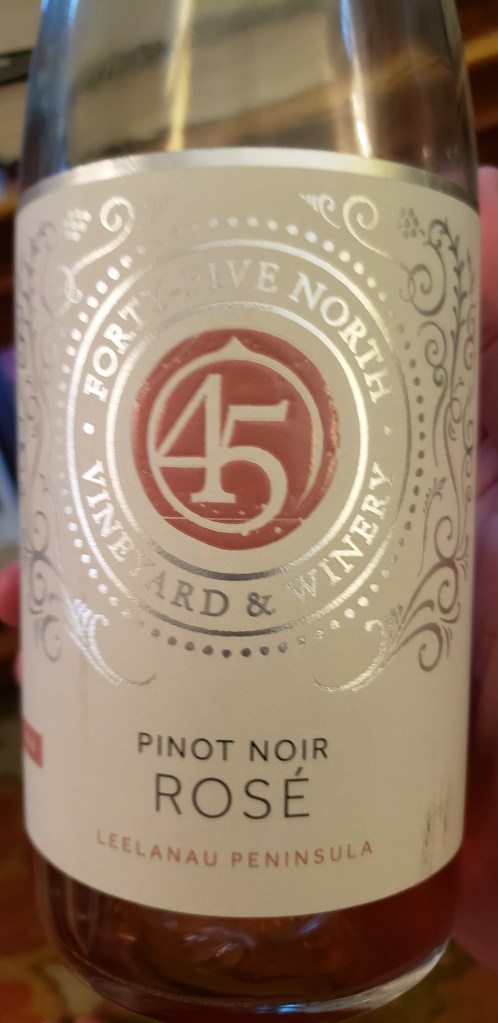
45 North Pinot Noir Rosé

Maker: 45 North, Lake Leelanau, Michigan, USA

Grape: Pinot Noir (at least 85%)

Place of origin: Leelanau Peninsula AVA, Michigan, USA

Style: Dry Rosé

Vintage: 2018

ABV: 11.5%

Purchased for $22 (Michigan by the Bottle, Royal Oak)

Appearance: Pale, orangey pink.

Nose: Strawberry, overdone mixed berry pie, cedar.

Palate: Full-bodied, pink raspberry, watermelon.

Finish: Semi-sweet with fruit and a little acid and oak.

Parting words: 45 North is located on Leelanau Peninsula about 2/3 of a way up the middle of the peninsula. It has a very nice tasting room with ample indoor and outdoor seating, fit for a senator.

At any rate, I really enjoyed this wine. Purely by accident, last weekend I was able to compare 45 North’s red Pinot Noir (2016) with this pink version. The red was good, but I think I like the pink even more. Northern Michigan is started to get very good at pink wine. $22 is an ok price, but remember, this isn’t pink supermarket plonk. 45 North Pinot Noir Rosé is recommended.

St. Julian Dry Sparkling Rosé

Maker: St. Julian, Paw Paw, Michigan, USA

Grapes: Merlot, Cabernet Franc, Chambourcin

Place of origin: Lake Michigan Shore AVA, Michigan, USA

Vintage: NV

ABV: 13%

Purchased for $8 (? Winery tasting room, Troy, Michigan)

Appearance: Orangy pink, effervescent.

Nose: Strawberry, mulberry.

Palate: Fizzy, medium-bodied and mild. White raspberry, mineral water.

Finish: Acid, a little tannin.

Parting words: I recall tasting this wine at the tasting room and I must have liked it a lot since I ended up buying three bottles of it! Oddly, two of those bottles are listed at $8 and one is listed at $14 in my Cellar Tracker account, so I’m not really sure how much I paid.

This is a decent, quaffable sparkling rosé that tastes best when chilled. There’s not much in the way of balance or integration, though, and the palate is a little flat. For $8 (if that’s what I paid for it), it’s fine. At $14, not so much. I’ll err on the side of generosity, though and give St. Julian Dry Sparkline Rosé a mild recommendation.

Note: This wine is no longer on the St. Julian website, but seems to have been replaced by something called Dry Bubbly Rosé. Hopefully the name change means that the wine has been revamped.

Woodford Reserve Kentucky Straight Malt Whiskey

Maker: Woodford Reserve/Brown Forman, Versailles/Louisville, Kentucky, USA (Brown-Forman).

Style: “Barely legal” (~51% malt) American malt whiskey.

Age: NAS (at least 4 y/o)

Proof: 90.4 (45.2% ABV)

Appearance: Medium copper.

Nose: Alcohol, sweet malt, caramel, leather.

Palate: Rounded and full bodied. Vanilla, orange sherbet, but without the sweetness and oak.

Finish: Semi-sweet, creamy.

Parting words: For years, Woodford Reserve has produced its Master’s Collection, an annual release of an off-beat experiemental whiskey. It was a popular bunching bag in the old days for its failed experiments (eg Sonoma Cutrer finish) and high price ($90 was laughable at the time).

Some of those experiments ended up eventually turning into regular offerings, though, and this malt whiskey is one of them. The WRMC ryes (which also gave birth to a regular expression), were packaged as a two pack of 375 ml bottles, one aged in new cooperage and one aged in used. The malts were annoyingly released as two seperate 750 ml bottles, which is why I never bought them or tried them and they kinda made me mad.

Despite all that baggage, I’m glad this experiment made it to prime time. This is a straight malt whiskey. That is, it is to malt what rye whiskey is to rye or bourbon is to corn. The recipe contains at least 51% malt and was aged in new charred oak for at least four years.

I give a lot of credit to Brown-Forman for releasing an American style malt instead of trying to ape Single Malt Scotch. I don’t see the point in US producers of any size trying to out-Scotch Scotch while the American straight malt whiskey category exists and has been moribund for so long. If this whiskey is any indication, there’s lots of potentional in the category.

$38 is a long way from $90 and a very fair price for this kind of quality. I like this whiskey a lot. Woodford Reserve Kentucky Straight Malt is recommended.