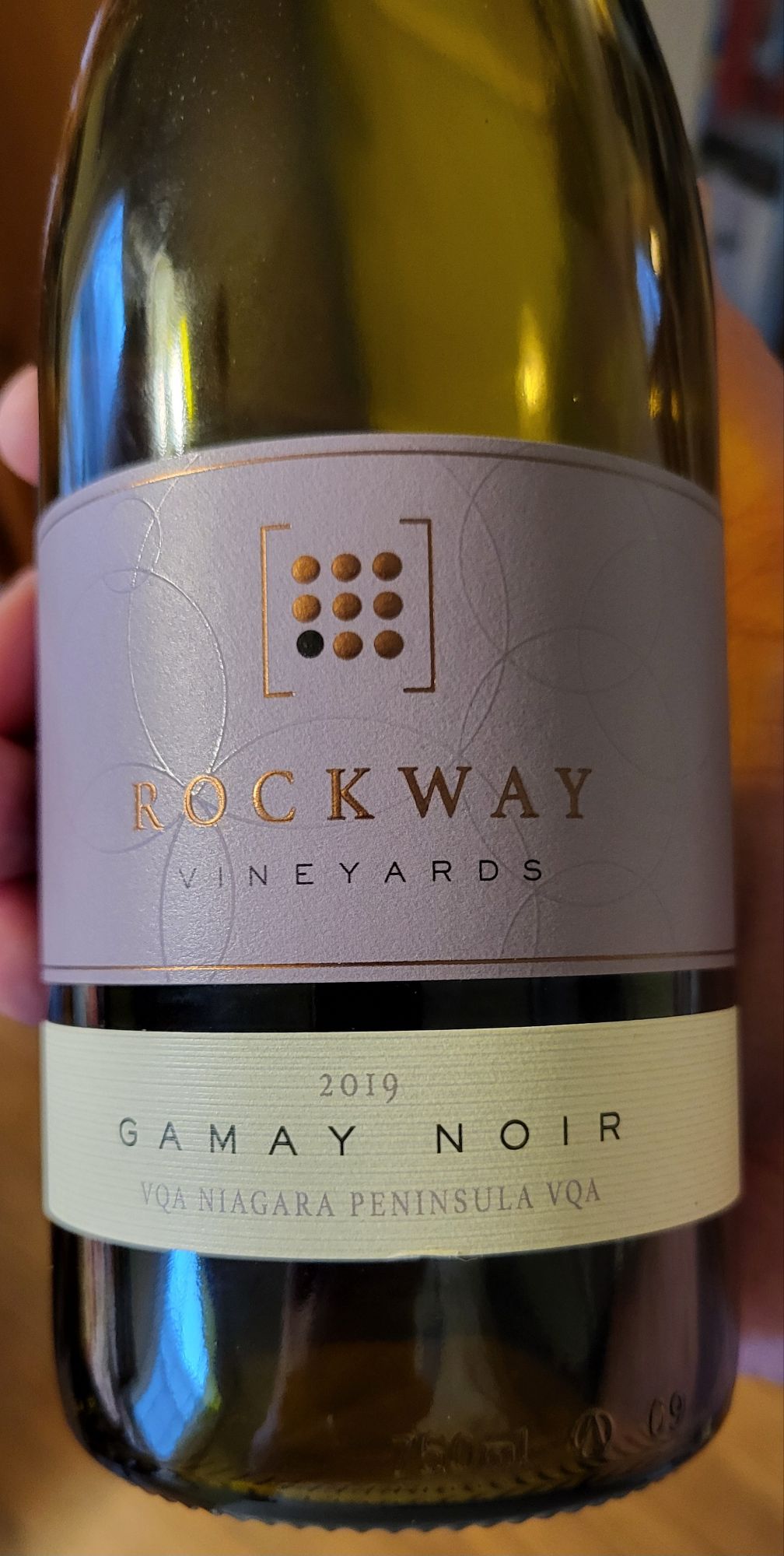
Rockway Gamay Noir, 2019

Maker: Rockway Vineyards, St. Catherines, Ontario, Canada.

Grape: Gamay.

Place of origin: Niagara Peninsula VQA, Ontario, Canada.

Vintage: 2019

ABV: 12%

Purchased for CA $19 ($14 US)

Appearance: Dark ruby.

Nose: Fruit punch, allspice, a little toasted oak.

Palate: Medium bodied. Black raspberry, blueberry, cherry juice, leather.

Finish: Tart and a little tannic.

Parting words: This the third of the Rockway label wines I’ve reviewed, and the last one left in my cellar (not including my bottle of When Pigs Fly Pinot Noir from friend of the blog André Proulx & friends). For my review of Rockway’s 2017 Alter Ego Syrah and a brief account of our visit to the winery, click here. For my review of their 2018 Small Lot Riesling, click here, and click here for my review of the 2021 When Pigs Fly rosé of Pinot Noir.

At any rate, this wine is a good example of an Ontario-style Gamay. It’s got dark berries, spice, and a little oak. It’s closer to Juliénas or Régnié than the lighter, more acidic style of Gamay produced by makers in Northwestern Michigan. Some Ontarian Gamays can lean too far into oak and spice, but this one preserves that character while maintaining a healthy balance.

At any rate $19/$14 is a very good price for this wine. If you find yourself in St. Catherines, pick up a bottle. 2019 Rockway Gamay Noir is recommended.

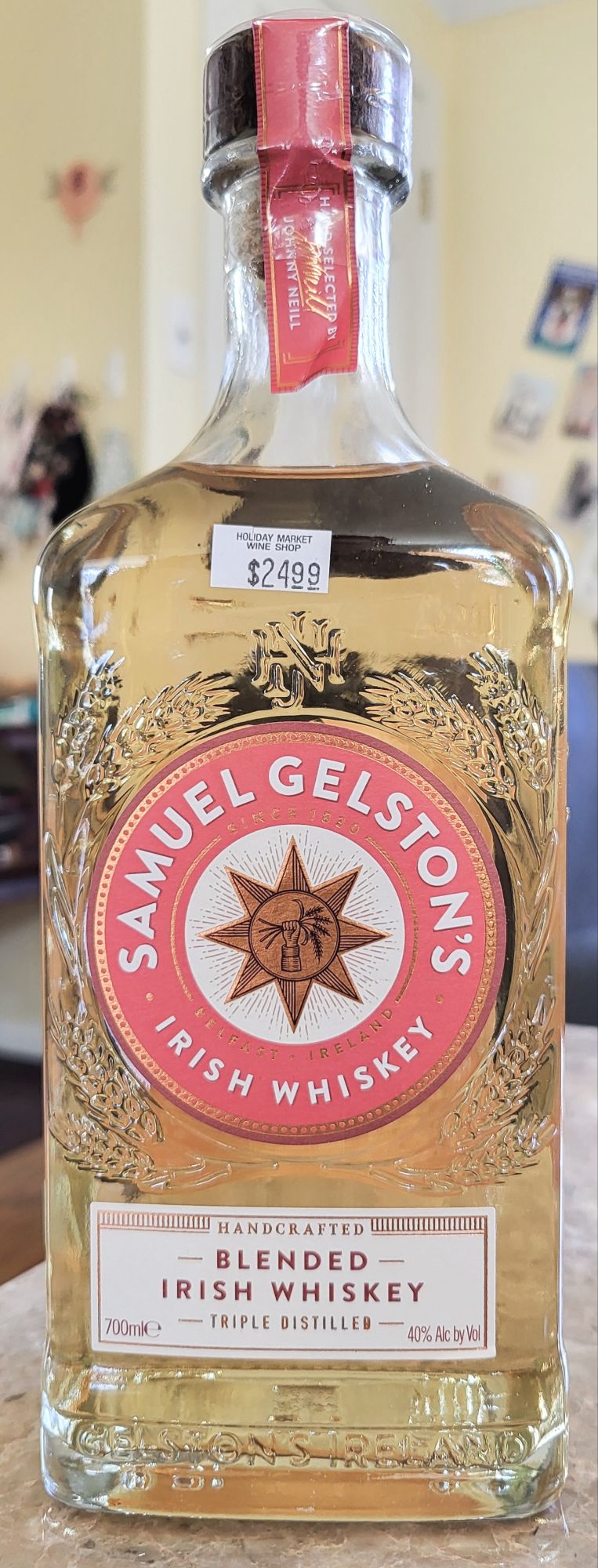
Samuel Gelston’s Blended Irish Whiskey

Maker: Samuel Gelston’s, Belfast, Northern Ireland, UK (Johnny Neil)

Distillery: Undisclosed. West Cork? Bushmills?

Age: NAS

ABV: 40%

Michigan State Minimum: $25

Appearance: Golden straw.

Nose: Malt, butterscotch, sea spray, touch of leather.

Palate: Medium bodied and semi-sweet. Butterscotch and toffee, with a little bite in the end.

Finish: Like eating toffee, but without having to pick it out of your teeth when you’re done.

Mixed: Does ok in a Blackthorn #3. The sweetness balances out the bitterness of the vermouth, absinthe, and bitters. Did better in an Irish Cocktail (whiskey plus dashes of maraschino, curaçao, absinthe, and bitters) with more complementary flavors. I didn’t try it with ginger ale, but it seems like it would get lost in it.

Parting words: I bought this whiskey because I was in a hurry. I was looking for an affordable Irish to review for St. Patrick’s day weekend, saw it on the shelf at Holiday Market, grabbed it, and ran to the check out because I had places to be. I don’t regret my choice.

Gelston’s is a bottler headquartered in Belfast, but owned by Johnny Neil, a New Zealander who is a descendent of Harry Neil who bought the brand from Sam Gelston in the nineteenth century. Johnny is also cousin to Big Time Movie Actor Sam Neil. Sam has collaborated with Johnny, and supplies Gelston’s with used Pinot Noir barrels from his winery in New Zealand.

There are six Gelston’s expressions currently available in the state of Michigan: Blended, Single Malt ($35), Bourbon cask ($40), Pinot Noir cask ($45), 25 y/o ($420), and Irish Cream ($25). I’ve only ever seen this Blended expression, but I’ll keep an eye out for the others.

While Gelston’s Blended isn’t a world-beater, it meets expectations for its price range. I like it best as a sipper, but it’s fine in strong, classic cocktails too. Samuel Gelston’s Blended Irish Whiskey is recommended.

Nathaniel Rose Marsanne, 2013

Maker: Nathaniel Rose, Suttons Bay, Michigan, USA

Grape: Marsanne (100%)

Place of origin: Center West Vineyard, Domaine Berrien Estate, Lake Michigan Shore AVA, Berrien Springs, Michigan, USA.

Style: Orange wine.

Vintage: 2013

ABV: 13%

Bottle provided by Nathaniel, via Marshall Wehr. 2016 Marsanne/Rousanne from the same vineyard in the same style currently on the NR menu for $32.

Notes: 18 mos in French Oak, 147 cases produced.

Appearance: Medium amber.

Nose: apple juice, tangerine, sherry, bubblegum.

Palate: Medium bodied and dry. Not nearly as much oxidation as I expected, given the nose. Old cider, apple cores.

Finish: Dry and slightly tannic.

Parting words: I hate to say it but Marsanne is one of my least favorite grapes. Maybe a part of that has been how it has historically treated, resulting in oxidized, nutty, sherry-like flavors and aromas, things I don’t normally enjoy in white wines. I have had Marsanne or Marsanne blends that I have enjoyed, though. For one of those, read my review of Cody Kresta’s Marsanne-Roussanne here.

When I first opened this bottle, and gave the wine a sniff, my heart sank. There it was: sherry. But when the liquid touched my tongue, I was pleasantly surprised. It was all fruit on the palate, apple in particular. Its advanced age was showing a bit as well, but it was still very easy drinking. The sherry in the nose and grip in the finish served as bookends to the still vibrant fruit in the middle! Nathaniel’s choice to produce his this wine in an orange style has added depth and complexity to this wine without making it too weird. That’s a neat trick, and he has me excited to try more Michigan Marsanne in the future!

Parting words: This wine is another in our ongoing 2012 Project, and one of the few white wines participating. Nathaniel Rose isn’t very widely distributed, but bottles do crop up in finer Metro Detroit wine shops. The best way to purchase NR wines is the website or the winery itself. 2013 Nathaniel Rose Marsanne is recommended!

For more information on Nathaniel Rose, check out my 2018 post about my visit to his winery here.

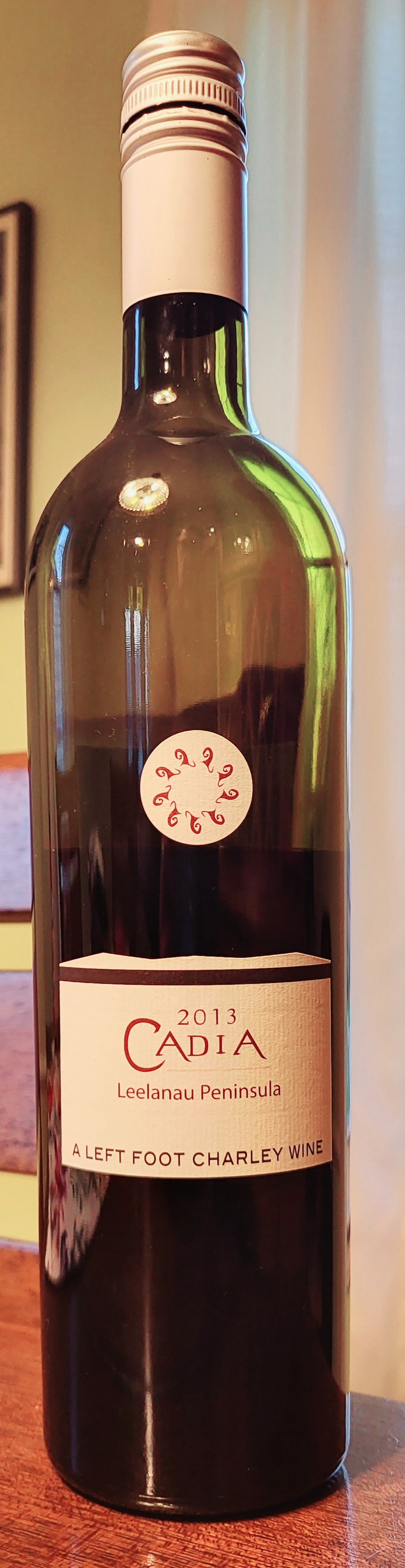
2013 Cadia: Gill’s Pier

Maker: Left Foot Charley, Traverse City, Michigan, USA.

Grower: Gill’s Pier, Northport, Michigan, USA

Grapes: 53% Merlot, 47% Cabernet Franc. Field blend.

Place of origin: Gill’s Pier estate, Leelanau Peninsula AVA, Northport, Michigan, USA.

Vintage: 2013 (final year for Gill’s Pier)

ABV: 12.5%

Purchased for $33 (Holiday Market)

Appearance: Dark purple.

Nose: Blackberry, blueberry, amaretto, tiny bit of oak.

Palate: Medium bodied. Dry with fruit jam. with some tannic grip on the back end.

Finish: Light, drying. Acid and oak.

Parting words: My first review of 2013 Gill’s Pier Cadia was a video review back in April of 2020. I liked it then and I like it now even more! Bottle aging has mellowed the tannins even further, allowing the fruit to become even more prominent, and the wine even more balanced. There were clear changes to the wine over three years, despite it being under a screw cap. This puts to rest any doubt in my mind as to whether screw top wine ages in the bottle or not. It clearly does.

Sadly, Gill’s Pier is now an alpaca and yak (!) farm, but I do still have a couple more bottles from them to taste as a part of the 2012 Project. I had planned for the project to wrap up around now, but 2023 was a very busy year for a variety of reasons, so I’m behind. Never fear, though, we will finish the project in 2024!

Left Foot Charley’s 2013 Gill’s Pier Cadia is recommended.

Dablon Estate Red, 2017

Dablon Estate Red Blend 2017

Maker: Dablon Winery & Vineyards, Baroda, Michigan, USA.

Grapes: 60% Cabernet Sauvignon, 25% Merlot, 10% Malbec, 5% Petit Verdot (per winemaker Rudy Shafer).

Place of origin: Dablon estate, Lake Michigan Shore AVA, Michigan, USA.

Vinatge: 2017

ABV: 13.1%

Price: $50 (2018 vintage website price)

Appearance: Dark ruby.

Nose: Cherry Jam, blueberry, sweet roasted red pepper.

Palate: Dry, reticent. White mulberry, mace, leather.

Finish: Jammy, but with grip.

Parting words: I have a good number of wines in my cellar currently, and I don’t always remember where or when I got them. Cellar tracker is helpful in this regard, but I don’t always check it before I pop a cork. I remember seeing it on a rack in one of the long term areas of my cellar and thinking, “This blend looks like it would hit the spot! I wonder why it was here?” As soon as I took a sip of it, I realized why it was there.

Although this wine is perfectly suitable for drinking any day of the week, Estate Red is not your average weeknight blend. It’s a fine, age-worthy Bordeaux style blend. It was very good at six years old, but I found myself wishing it had stayed in that place in my cellar a little longer to develop even more complexity and depth. Oh well, live and learn!

Even at a mere (!) six years old, this is a very good wine that is worth seeking out. 2017 was an excellent vintage, but so was 2020. When that one comes out, or if you manage to fine a 2017 on the shelf, I recommend that you buy it!

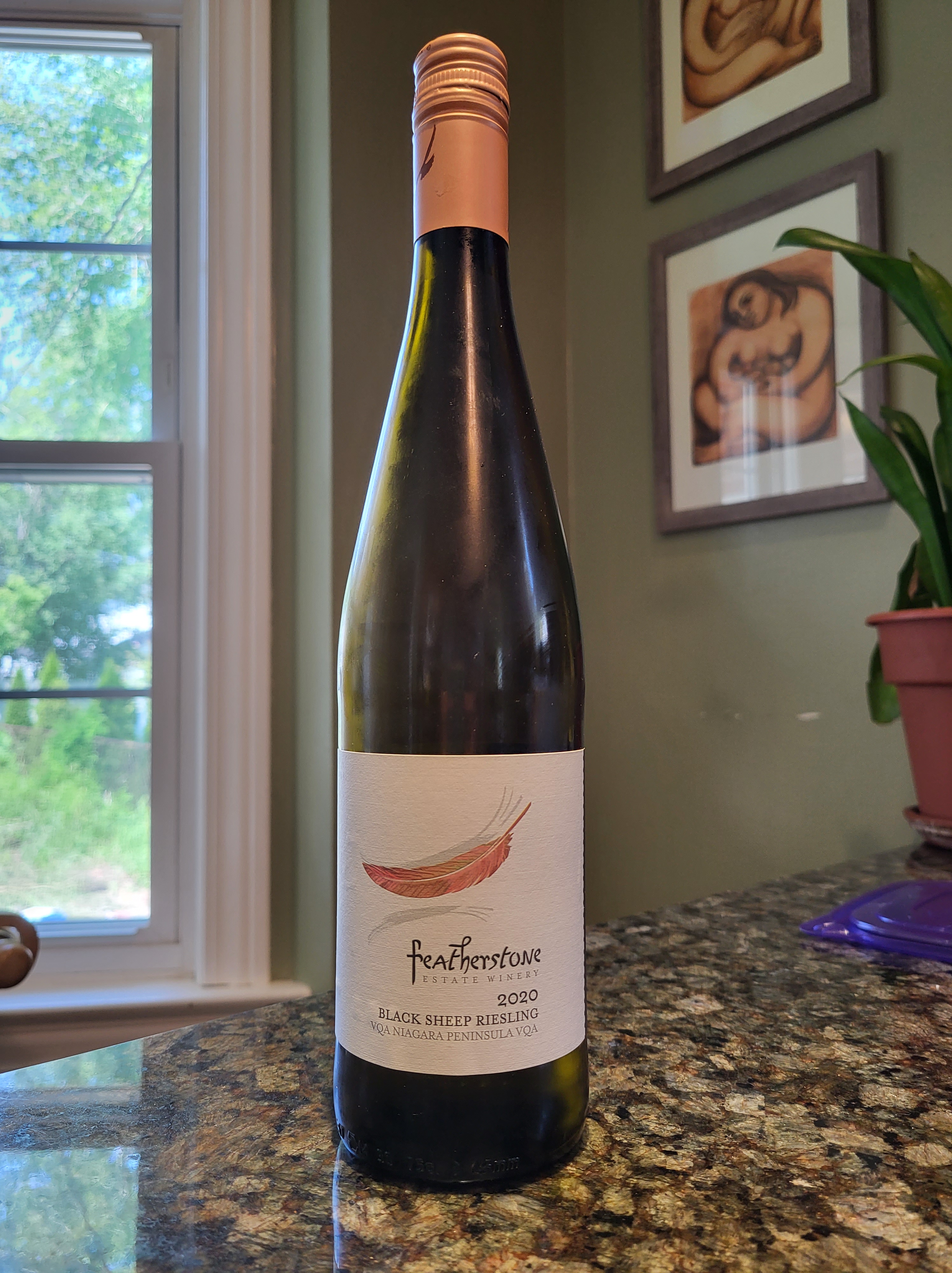
Featherstone Black Sheep Riesling, 2020

Maker: Featherstone, Vineland, Ontario, Canada.

Grape: Riesling (100%)

Place of origin: Niagara Peninsula VQA, Ontario, Canada.

Style: Whole cluster pressed Riesling. On lees for six weeks.

Vintage: 2020

ABV: 10.5%

Price: $20 Canadian (current vintage)/$15 US.

Appearance: Light straw.

Nose: Light acetone, mineral water, peach.

Palate: Medium bodied, medium fry and balanced. Medium acid but with green apple, citron, and stone fruit.

Finish: Clingy and a little chewy.

Parting words: This wine is another bottle we picked up on our trip to Ontario last summer. For more information on that, click here and here. This summer was a little crazy with Liz’s new job, her mother’s passing, and all the normal summertime kid stuff, so we weren’t able to embark on any wine trips together. That’s ok, since we’re still drinking through the bottles we purchased on our last three!

Featherstone was another winery that friend-of-the-blog André Proulx recommended for Riesling, but since we were short on time, I couldn’t stay and taste. I think I made a good choice regardless. I’m not a fan of heavy lees-related flavors in Riesling, but they’re good when balanced with acid and sweetness like they are here.

I didn’t spend much time there, but Featherstone has a nice tasting room. If you’re ever in the area, stop by and sample of the the delicious Riesling and other wines the fine people have for sale.

2020 Featherstone Black Sheep Riesling is recommended!

Nathaniel Rose Left Bank, 2012

Maker: Nathaniel Rose, Suttons Bay, Michigan, USA.

Grapes: Cabernet Sauvignon (85%), Merlot (12%), Cabernet Franc (3%).

Place of Origin: Abigail’s Vineyard, Domaine Berrien Estate, Lake Michigan Shore AVA, Berrien Springs, Michigan, USA.

Vintage: 2012

ABV: 13.6%

Purchased for $120 with trade discount from winery. Original price $150.

Notes: 20 months in French oak. 82 cases produced.

Reviewed as a part of The 2012 project.

Appearance: Brick red.

Nose: Fruit of the forest pie, clove, oak.

Palate: Dry, chewy, and a little tart. Blueberry, wild blackberry, leather.

Finish: Tart, but with a tannic backbone.

Parting words: This was the wine that this whole 2012 Project was all about. OK, that’s a slight exaggeration, but it’s not too far from the truth. It’s the bottle I’ve looked forward to opening the most, and it did not disappoint.

Abigail’s vineyard is named for Abigail Fricke, mother to Katie Mauer, co-founder (with husband Wally) of Domain Berrien. As long-time readers will know, Domaine Berrien is known one of the premier producers of red wine in the state of Michigan. A big part of their success is their vineyards. Those vineyards attracted the attention of young, ambitious winemaker Nathaniel Rose, who was able to get access to them to make his Right Bank and Left Bank blends. My review of the Right Bank (also a part of the 2012 project) is here.

Allow me to briefly quote myself , from this post from 2018:

“Rose is rightfully very proud of [Left and Right Bank], especially the Left Bank. He loves to tell the story of the tasting he attended with several sommeliers (including  Master somm Brett Davis), winemakers, writers and other experts in which his 2012 Left Bank Blend went up against a group of Second Growth Bordeaux and cult California Cabs, including Cardinale (~$270), Ridge Monte Bello (~$250), and Jos. Phelps Insignia (~$190), all of the 2012 vintage. Left Bank won. None of the experts could pick Left Bank out of the lineup blind and tasters could not tell the difference between it and the 2012 Cardinale Cab at all. In fact, they believed they had mistakenly been poured the same wine twice.”

The last time I talked to him, Nathaniel said that he considers this vintage of Left Bank to be the best wine he ever made. I’ll say that it’s the best Michigan Bordeaux-style red blend I’ve ever had (and I’ve had a lot of very good ones) and in the short list of best red wines I’ve ever tasted. It’s elegant, sophisticated, excellent with food, and never overly boozy or over oaked. It’s proof that with the right vintage, vineyard, and winemaker, Michigan wines can stand alongside any comparable wines on the planet.

It’s also proof that a well-made Michigan wine can grow with age. I’ve had wines (yes, even some from The Great Lakes State) that fell apart after five or more years in the bottle. The 2012 Left Bank still has everything in the right place, and I think it could taste as good for at least five more years in the right cellar.

$120 is close to twice my upper limit for wine under normal circumstances, but I didn’t regret what I spent for one second that this wine touched my lips. Everyone else I served it to loved it just as much as I did too. Nathaniel Rose Left Bank 2012 is highly recommended.

1792 Full Proof, Single Barrel Select, Red Wagon Shoppe.

Maker: Barton 1792, Bardstown, Kentucky, USA (Sazerac)

Style: Rye recipe straight bourbon whiskey (high malt?)

Age: NAS (I don’t remember if the store disclosed the age), but at least four years old.

Barrel #8683

Proof: 125 (62.5% ABV)

Michigan state minimum for 1792 Full Proof: $47

Tasted with a splash of water (don’t be a hero when it comes to 125 proof bourbon)

Appearance: Dark copper.

Nose: Dark caramel, charred oak, Habanero chili.

Palate: Full-bodied and semi-dry. Caramel, white pepper, anise, allspice.

Finish: Dry with some sweet heat.

Parting words: This is my first review of any kind of Full Proof 1792. I did review 1792 Single Barrel from the pre-divorce Red Wagon alongside a selection from the Rural Inn. I believe that last bottle of Full Proof I owned, however, was a selection from the Rural Inn. It tasted good, but I always got a wicked headache afterwards. I’m not sure why, but unchill-filtered bourbons have a tendency to do that to me.

No such complaints for this Red Wagon (Rochester Hills) selection, though. It has big caramel flavors with some holiday spice in the background. It’s not particularly complex, but with a splash of water, it’s a very nice winter or autumn sipper. $47 isn’t chump change, but when the high proof is factored in, it’s a pretty good deal, especially compared to how much microdistiller or Potemkin distillery products go for these days. Red Wagon selections almost never disappoint. Full Proof 1792 Red Wagon Shoppe, Single Barrel Selection barrel #8683 is recommended!

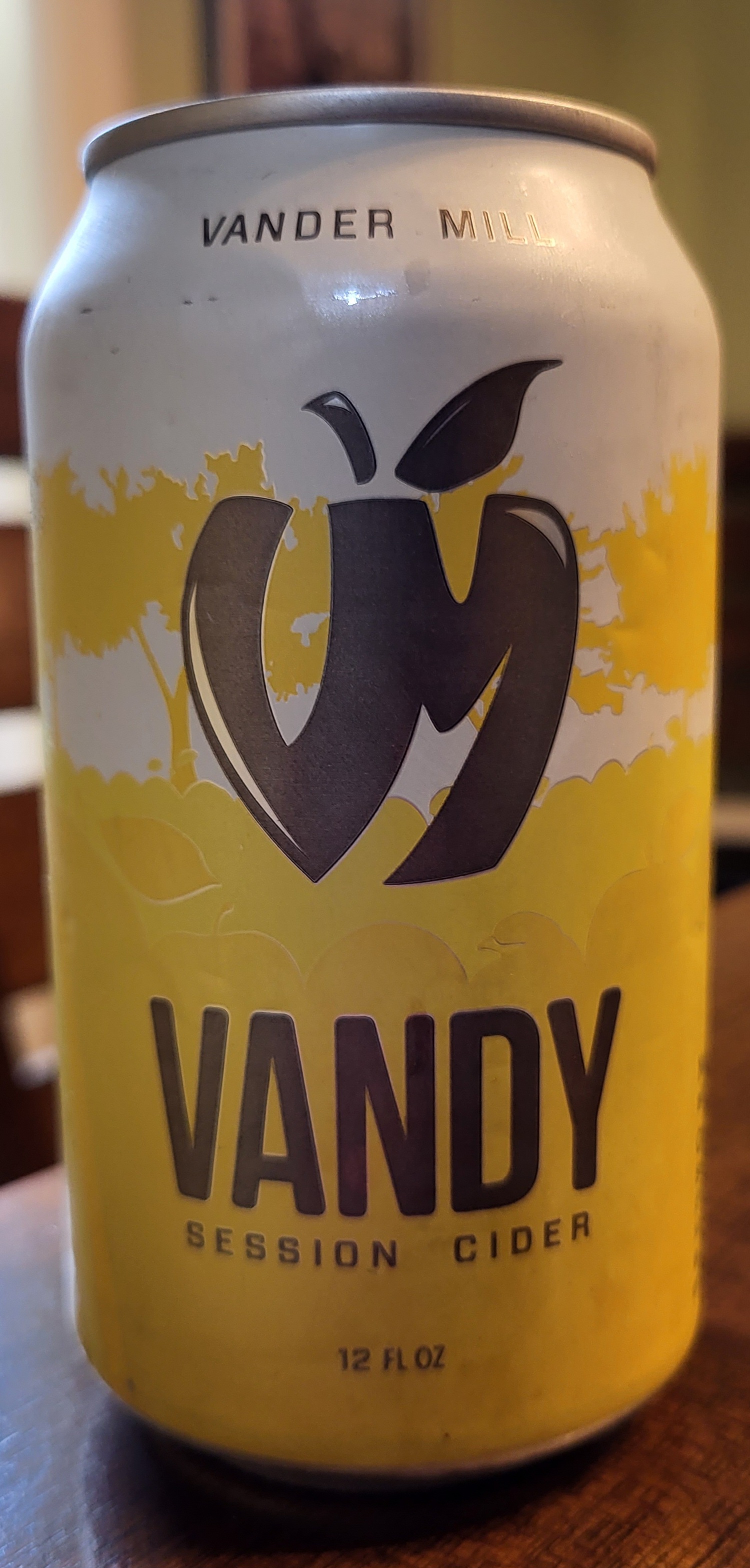
Vandy Session Cider

Maker: Vander Mill, Grand Rapids, Michigan, USA.

Style: Fermented cider with unfermented juice added.

ABV: 4.3%

Purchased for: I don’t remember (internet says ~$11 for a six pack).

Appearance: Medium gold with persistent but light bubbles.

Nose: Cut golden apples, Anjou pears.

Palate: Medium bodied and semi-sweet. Medium tart, fresh applesauce.

Finish: Clean but with a little tannic grip.

Parting words: I confess that I’ve had this can in my refrigerator for years, waiting to get reviewed. I also have to confess that tasting it was an anti-climax. It accomplishes what it sets out to accomplish: it’s an easy-drinking, low ABV cider. It’s also very much “not for me”. It’s something that will probably appeal more to a casual cider drinker, not a snotty, tannin and funk guy like me.

Given that it’s part apple juice, but about the same price as the real thing (Vander Mill’s Hard Apple) from the same producer, Vandy only merits a mild recommendation.

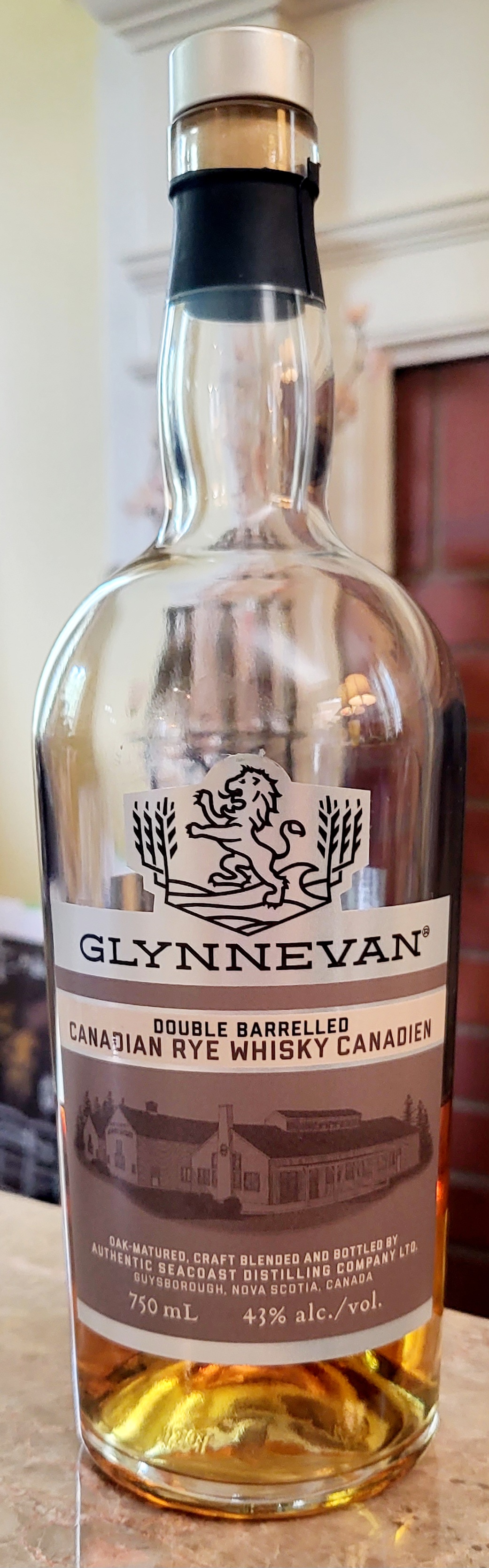
Glynnevan Double Barrelled Rye

Maker: Glynnevan, Guysborough, Nova Scotia, Canada. (Authentic Seacoast Co.)

Distiller: Undisclosed (maybe Alberta Distillers, Calgary, Alberta, Canada.)

Style: Double barrelled (?) Canadian rye.

Age: NAS

ABV: 43%

LCBO price: $56 CAD ($42 USD)

Appearance: Medium light copper.

Nose: Roast corn, old French perfume, newish oak, tarragon.

Palate: Subtle, but full-bodied. Caramel, burn.

Finish: Light and sweet. Taffy, a little heat.

Mixed: OK in an Old Fashioned, gets lost in anything else.

Parting words: This bottle was one of several I brought back from our family vacation to Niagara Falls last summer. I had never seen it before, and I thought the bottle looked nice so I picked it up. While I don’t regret the purchase, I probably would have chosen something else if I had tasted it before.

Glynnevan’s label states that it’s made of “prairie grain” whisky, but it doesn’t name the distillery. The most obvious candidate is Beam-owned Alberta Distillers Ltd. in Calgary, but I saw another review say that it WASN’T Alberta distillate. This reviewer unfortunately didn’t offer any suggestions as to what other distillery it could be, so I’m sticking with my assumption that it’s Alberta.

Wherever it was distilled, it was aged in Eastern Nova Scotia, at a distillery owned by a small beverage company called Authentic Seacoast. They also sell other spirits, in addition to coffee, beer, hand sanitizer, and, of course, maple syrup.

The whisky itself is fine. It has a classic Canadian Rye profile and a rich texture. Other than that, it doesn’t stand out. I’m not sure what the “double barrelled [sic]” process is, but the texture does bear a vague resemblance to rebarreled bourbons I’ve had. I can’t detect notes I would characterize as “maritime”, other than a salted caramel taste that emerges after I let the whisky sit in my mouth for five minutes while thinking of the sea. It could have been aged in Toledo, Ohio, for all that shows up on the palate. It also falls victim to the unfortunate Canadian Whisky tendency to smell great, but fall flat on the palate.

I don’t mean to make it sound like this is bad whisky. It’s not. It’s just not as good as I hoped it would be for the price. Glynnevan Double Barrelled is mildly recommended.