I'm a married white male. I like reading, writing, gardening, listening to music, teaching, cooking, drinking and wasting time.
MTS from Anderson University, MA in History (Medieval Europe) from Wayne State University. Currently taking care of my children and running a household.
Mixed: Excellent in Manhattans, Old Fashioneds, and in a sour.
Parting words: One of the bright spots of the bourbon revival has been the return of Willet to full time production. Consistency was always an issue during Willet’s days as a whiskey buyer, but as a distiller they have been putting out solid, classic style bourbons using their surprisingly large stable of brands.
The 90 proof Old Bardstown is in Michigan now, along with Johnny Drum, Pure Kentucky, Noah’s Mill, Rowans Creek, Willet rye, and possibly some others I forgot. The 90 proof Old Bardstown is perfectly fine, but the Bond is even better. It’s a good all-around whiskey that mixes just as well as it sips neat or on the rocks. Bonded Old Bardstown is recommended!
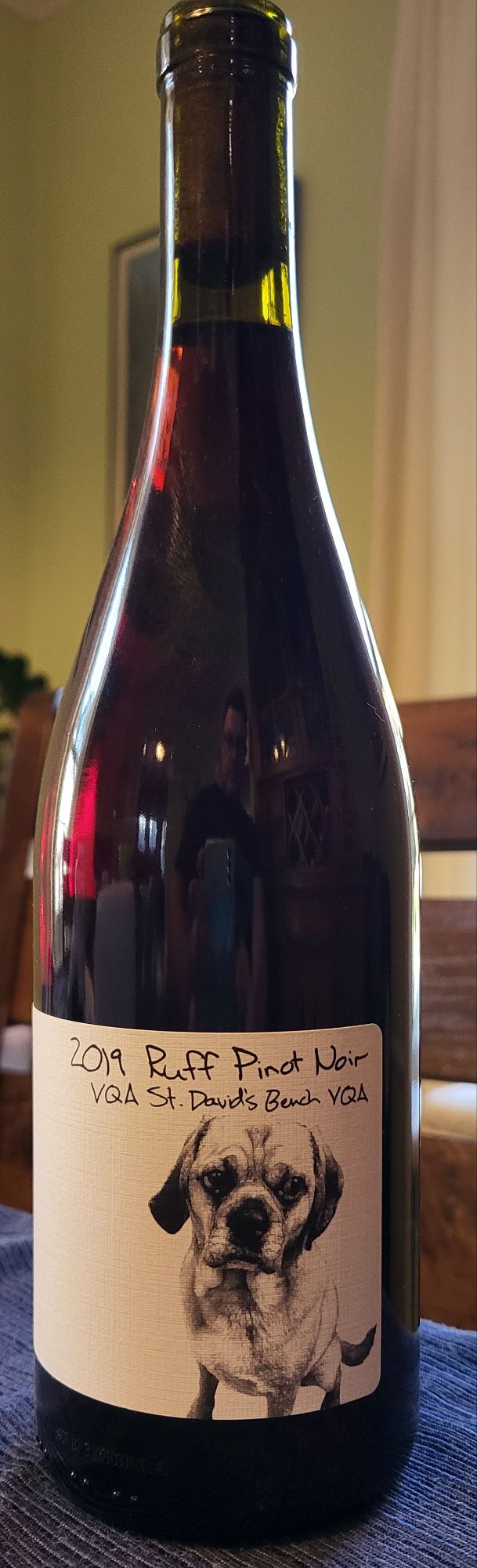
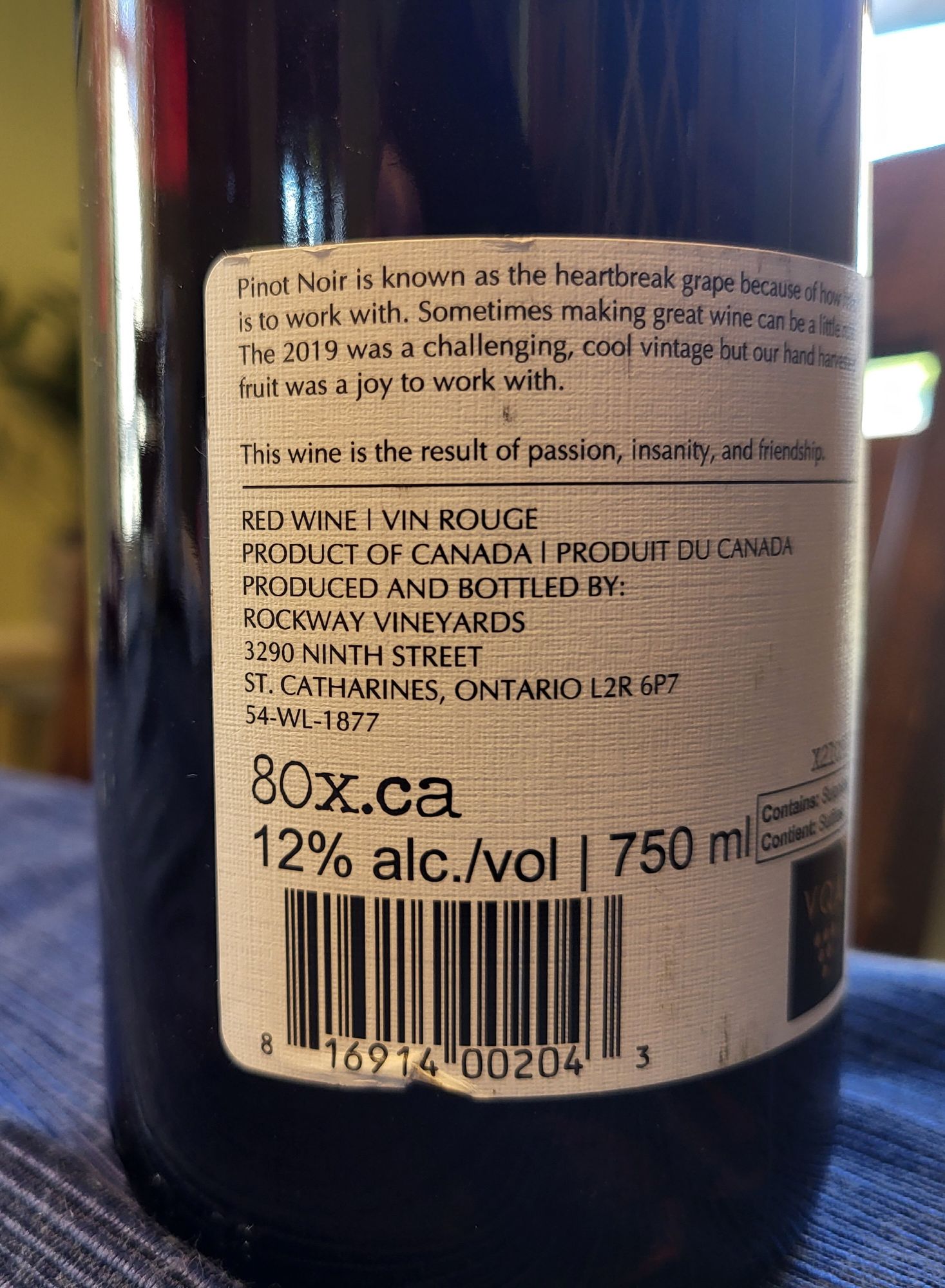
Place of origin: St. David’s Bench VQA, Niagara-on-the-Lake, Ontario, Canada.
Style: Red.
ABV: 12%
Price: $35 Canadian (About $26 US).
Thanks to André Proulx for the bottle! For more on 80x and our trip to Niagara back in 2022, click here and here.
Appearance: Light plum.
Nose: Fresh red plum, pipe tobacco, nutmeg.
Palate: Dry, but fruity. Tropical fruit punch, blueberry, dark chocolate.
Finish: Chocolate, mulberry.
Parting words: I took notes on this wine last year but only got around to posting this review now because of life (kids, injured cat, vacations, the news, etc). I was a little nervous about letting this wine sit in the cellar for as long as I did, but I had nothing to fear. Despite the “ruff” vintage (no, it’s not my pun, it’s the actual origin of the name!), this wine is everything I want out of a Great Lakes Pinot Noir. It’s fruity and complex, not overly tart or overoaked. André and company did a wonderful job with this one. They turned a potential mutt into a purebred beauty, like the fancy collie the Simpsons got that one time.
Anyway, this was a very enjoyable wine. I don’t think there’s any of this left, but if you run across anything else from 80x, grab it! 2019 Ruff Pinot Noir is highly recommended.
P.S. Here at Sipology Blog, we love Canadian wine, and Canadian people and the country in general. We love that Canada is its own country, and we want it to remain that way. Nuts to anybody who thinks otherwise.
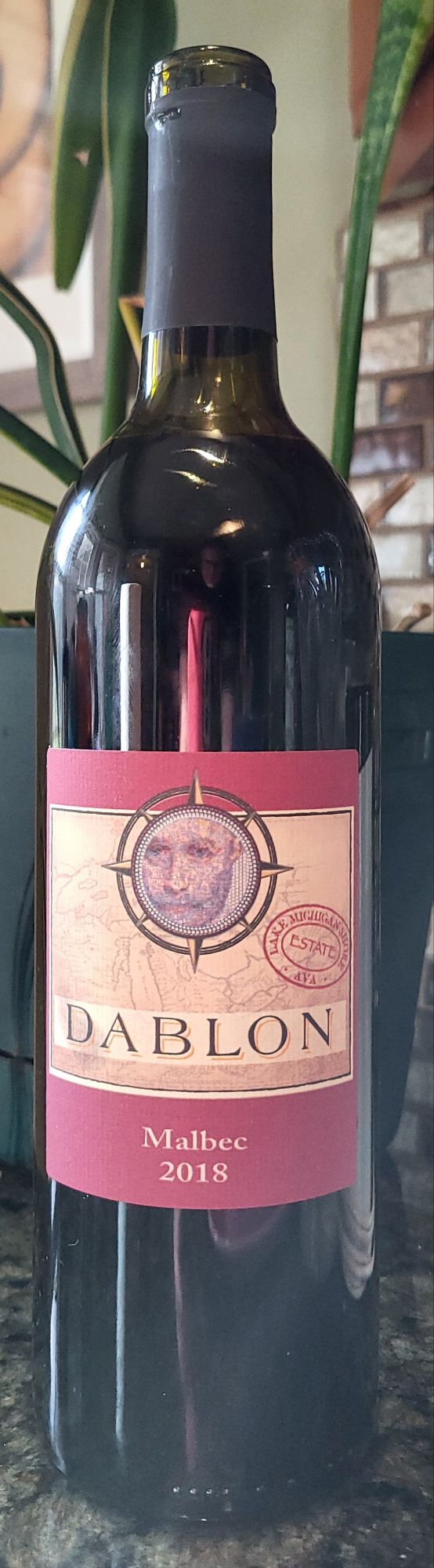
Maker: Dablon Winery & Vineyards, Baroda, Michigan, USA.
Grape: Malbec (at least 85%)
Place of origin: Dablon Estate, Lake Michigan Shore AVA, Michigan, USA
Vintage: 2018
ABV: 11.7%
Purchased for $30 with wine club discount. Originally $38.
Appearance: Brick red.
Nose: Blackberry jam, black currant.
Palate: Dry, but fruity. Mixed berry pie, cherries, fruit punch, French oak.
Finish: Tannic, but then tart with a splash of fruit.
Parting words: Malbec is Merlot and Cabernet Franc’s spicy cousin who moved to South America a while back. It’s grown in Michigan more frequently than it was when I first started exploring the wine, but it’s still not as common as its cousins here. Most of it is in the Lake Michigan Shore appellation, but Verterra in Leelanau also grows some. Judging by this post on their website, they may not be growing it for much longer, though.
Vintage matters a lot in a place like Michigan, with big temperature swings throughout and across the years. It’s a tribute to the skill of winemaker Rudy Shaefer and his crew that Dablon continues to deliver consistently high quality wines, even in less than stellar vintages with grapes that are not commonly grown in the area.
This wine is a great example of that. It Malbec’s classic rusticity, but balanced with fruit and acid. The combination makes it a great table wine. Liz and I had some a couple nights ago with grilled ribeye topped with homemade chimichurri. Dablon’s 2018 Malbec is recommended!
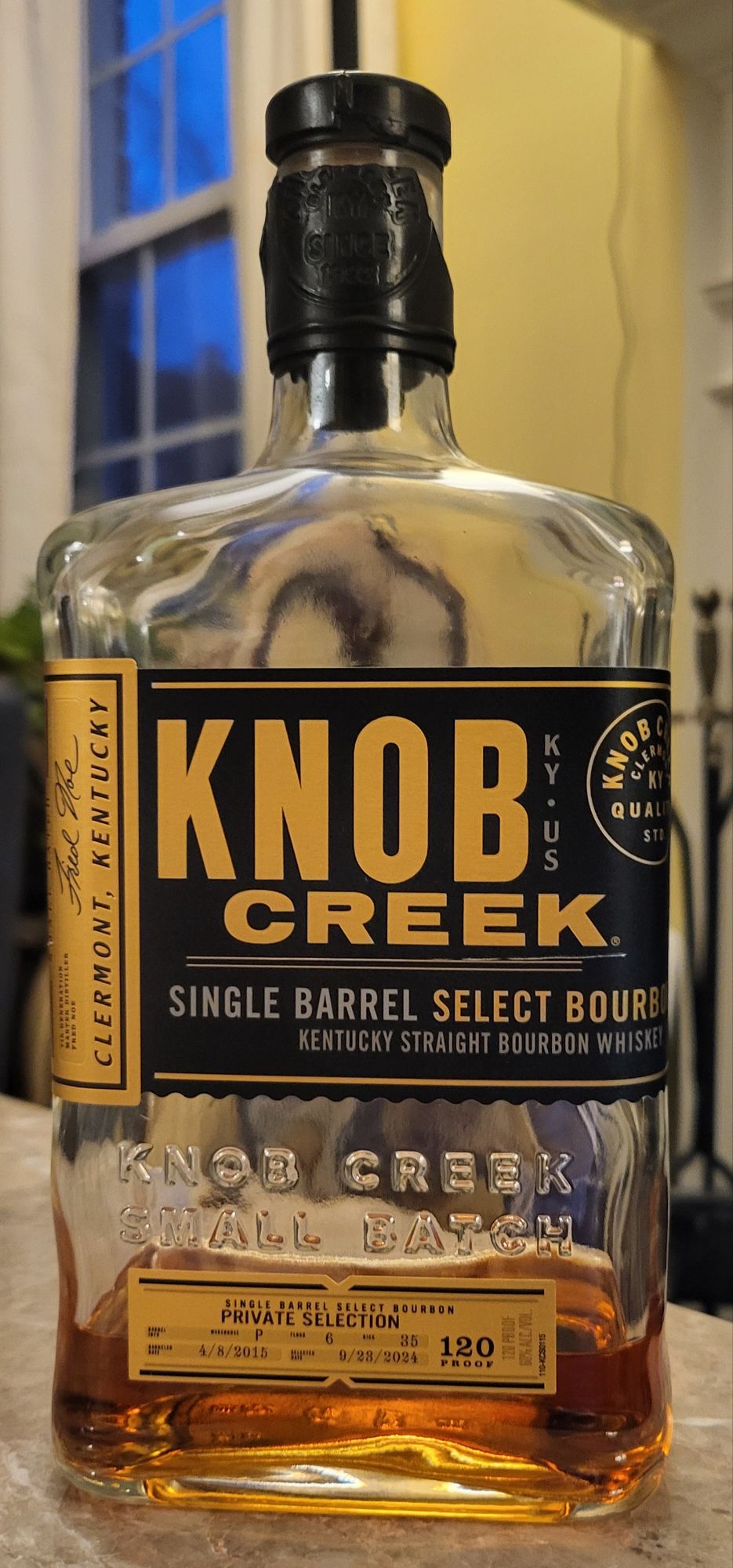
Maker: Jim Beam, Claremont, Kentucky, USA (Suntory)
Style: Rye recipe Single Barrel Kentucky Straight Bourbon Whiskey.
Age: 9ish years old (barreled 4/15, selected 9/24)
Proof: 120 (60% ABV)
Michigan state minimum: $65
Tasted with a splash of water.
Appearance: Medium gold.
Nose: Cut lumber, Beam yeast.
Palate: Sawdust, street corn, green chili.
Finish: Char, brown sugar.
Parting words: Knob Creek Single Barrel is one of my most reviewed bourbons. I reviewed the Georgia Bourbon Society pick I helped select here, and here’s a goofy video review from me and friend of the blog Amy. I review it a lot because I’m a big fan of Knob Creek in general, and barrel selections are a fun way to explore the multitudes that KC contains.
This one was good, but like most Holiday Market selections, it is a good example of itself, but it doesn’t really offer anything new. There’s little difference between this and the median bottle of a non-select KCSB. The Beam funk is maybe a little more prominent, but that might very well be the state of my palate. It’s far from bad, just a little disappointing. Still, it’s better than a dozen other bourbons at that price point. Knob Creek Single Barrel, Holiday Market Selection (9/24) is recommended.
Mixed: Good in an old fashioned, but Liz didn’t care for it in a Manhattan. I didn’t really see the point of trying it in Coke, as mild-tasting as it is. It’s ok on the rocks, though.
Parting words: As a brand, Green River has a long history, but the current Green River started life as the non TerrePURE brand from the Terresettia who took over and rebuilt the old Medley plant in Owensboro years ago. For those who have memory-holed this fiasco, TerrePURE was an attempt to speed up the aging of whiskey by means of vibrations and radiation or something. I don’t think I ever reviewed a TerrePURE whiskey, but I did taste a few and they were all terrible. I think it’s fair to say at this point that the experiment was a total failure. Father Time remains undefeated.
Anyway, The BBC (the whiskey one) purchased the brand and distillery in 2022 and has been producing there ever since. They’ve released a healthy number of iterations, including high rye and wheat bourbons, a rye whiskey, and high corn bourbon 1885 marketed toward cocktail bars, for reasons. All have been well-reviewed, to my knowledge.
I think this one is very enjoyable, especially for the $35 price. It’s not complex, but everything that is there tastes good and works well together. I liked it! Green River Wheated is recommended.
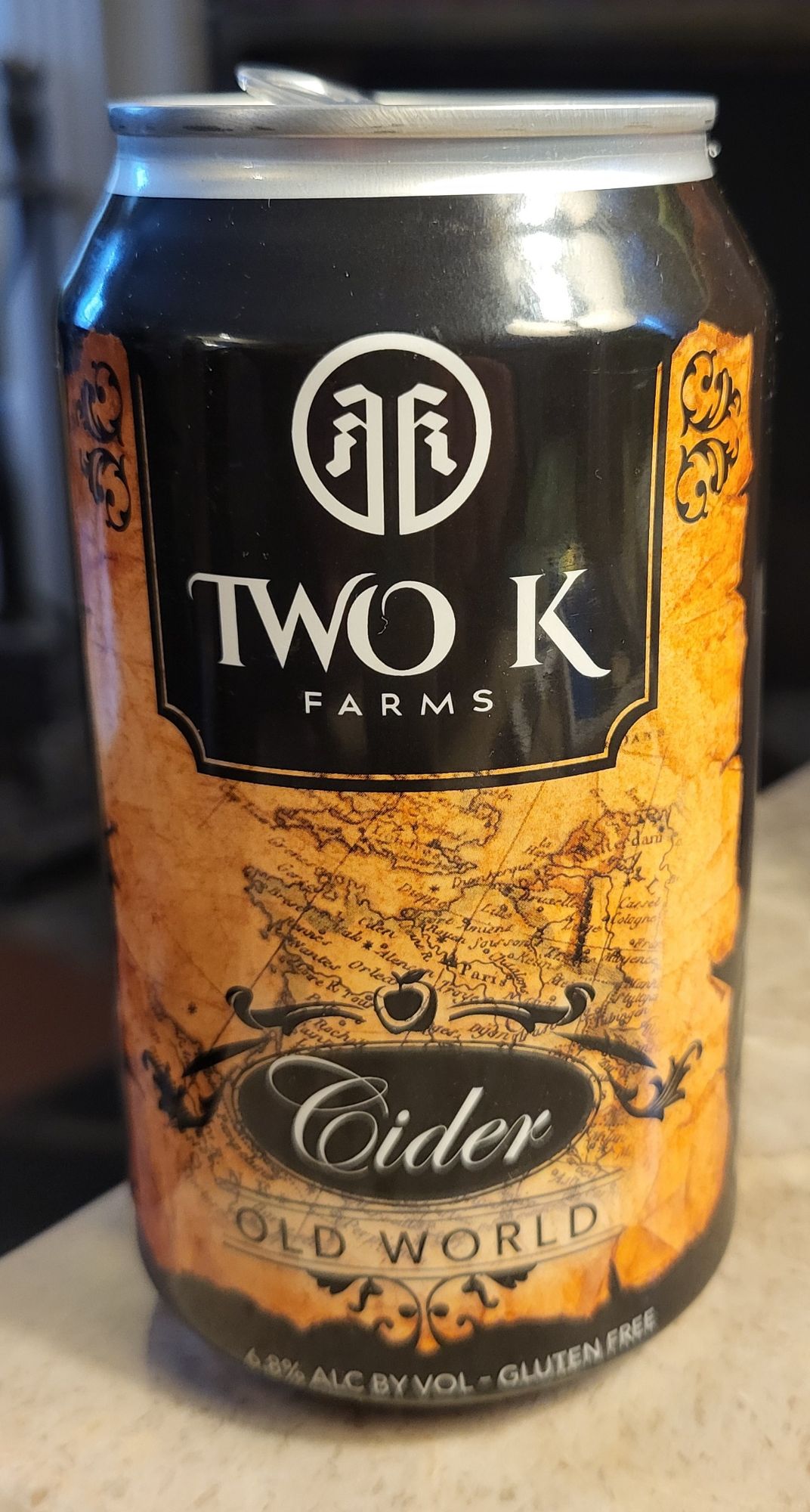
Apples: Blend of 20 bittersharp and bittersweet apples of English and French origin.
ABV: 6.8%
Price: $17 per 6 pack of 12 oz cans
Appearance: Light gold with lots of bubbles
Nose: Apple cores, lumber, apple juice.
Palate: Medium bodied, and medium dry. Some initial sweetness, then grippy tannins.
Finish: Tannic with a little sweetness and acid.
Parting words: I didn’t do a lot of blogging last year, but my buying habits did not change. What happens in that situation is that I end up with a big backlog of beverages to be written up. With cider and beer, this means I will often drink all but one can or bottle of a pack and save the last one for “review purposes”. As a result, my cellar and fridge start looking like a home for orphaned booze. That’s how I ended up with one can of this cider sitting in my fridge for over six months before writing this review.
I’m glad I didn’t porch pound this one like I did its siblings last summer, because it’s a cider that rewards mindful sipping. It brings together the structure and grip of French ciders with the crispness and accessibility of English ones. If you’re a fan of European cider like I am, you’ll probably like Two K Farms Old World. It also makes for a good alternative to dry white or pink wine at the dinner table. It is recommended!
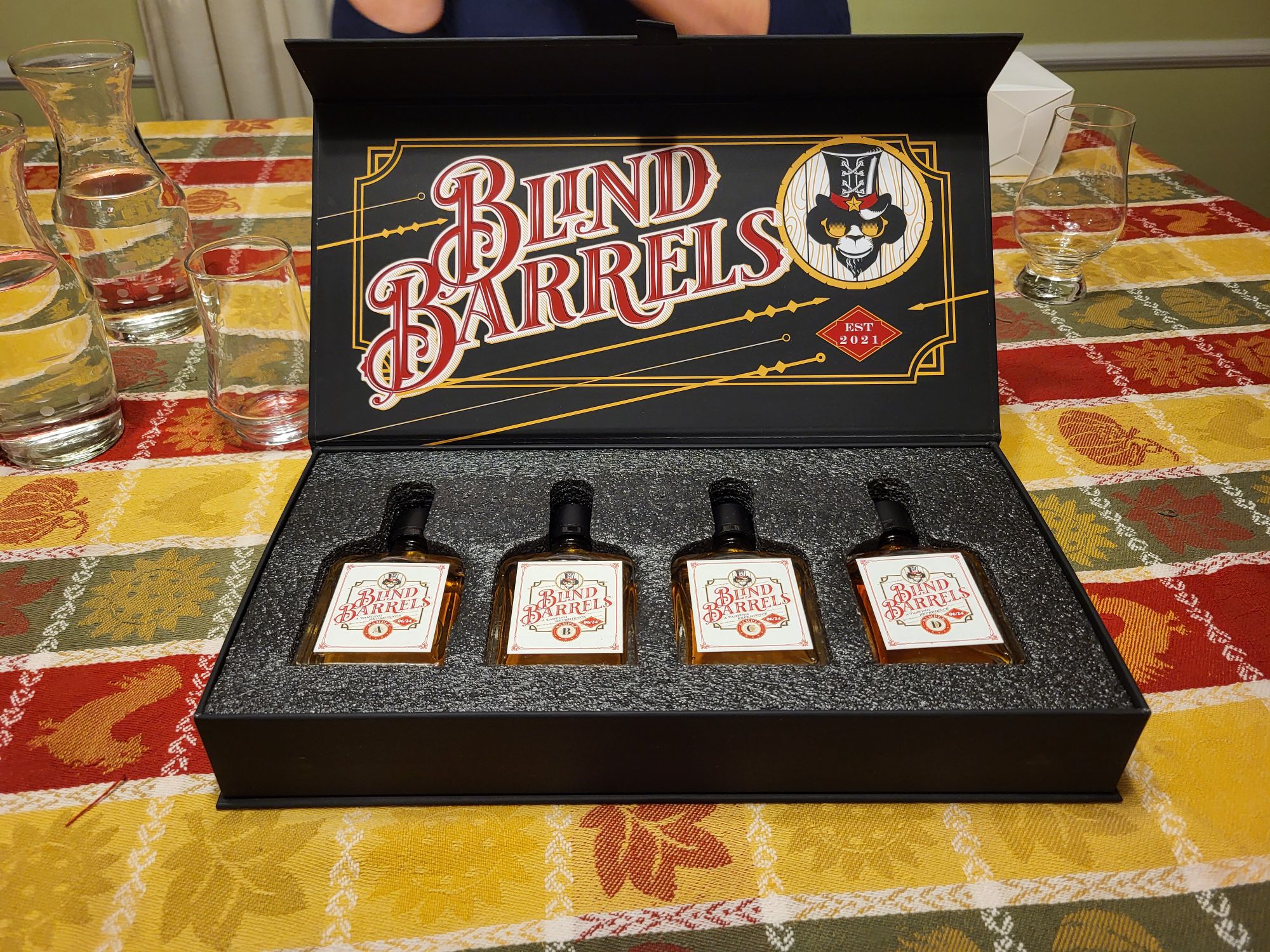
Several months ago, Davis Armstrong and Bobby DeMars of Blind Barrels reached out to me with an offer to send me a complimentary box of their craft whiskey samples for review. Last summer was busy, so it took me a while to respond. I had never heard of the company, but the concept sounded interesting.
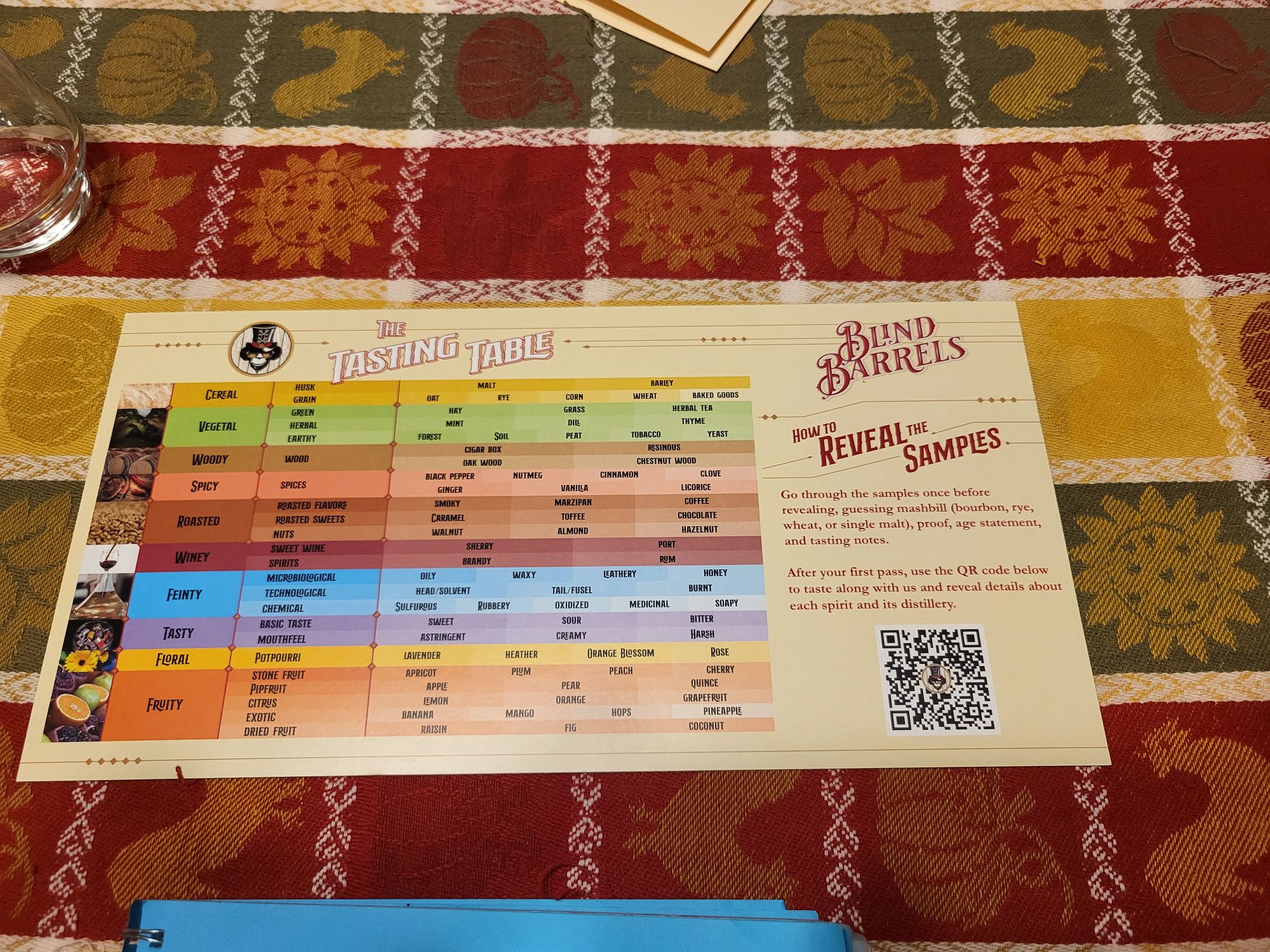
The concept is this: Blind Barrels ships you four 50 ml bottles of whiskey in a plush, classy-looking black box with a golden chimp wearing sunglasses and a steampunk-style top hat for some reason. Included are two letters (at least in my case) from Davis & Bobby, and a “tasting table” of flavors and aromas. Each bottle has the chimp logo, the ABV % of what’s inside, and a QR code. How one distributes the whiskey is up to the tasters, but the materials recommends to pour a little of A in everyone’s glass, take notes, discuss and repeat for B, C, and D. That’s what we did.
The BoxThe SamplesThe Tasting Table
Individual boxes cost $70 each, plus $15 shipping. Subscriptions are a much better deal. Quarterly billing is $60, plus $15 shipping per box ($300/year plus tax). Annual rebilling is the best value for money at $50 per shipment, plus $12.50 shipping ($250/year plus tax). The subscriptions have the added benefit of giving the subscriber a discount on the full bottles of whiskey being sold. All the whiskeys in the various shipments are from small distilleries with limited distribution, so long time whiskey nerds should be prepared for some off-beat selections.
Different boxes have different themes. Ours was Box X (the tenth one). It was released around Father’s Day last year and had a theme of father and (adult) child distillery partnerships. There is also a special Fred Minnick (friend of the blog) box one can order for $70. According to the website, it comes with special guidance from Fred himself. This might be a good option for people who are looking to use a Blind Barrels shipment to jump start their entry into craft whiskey enthusiasm.
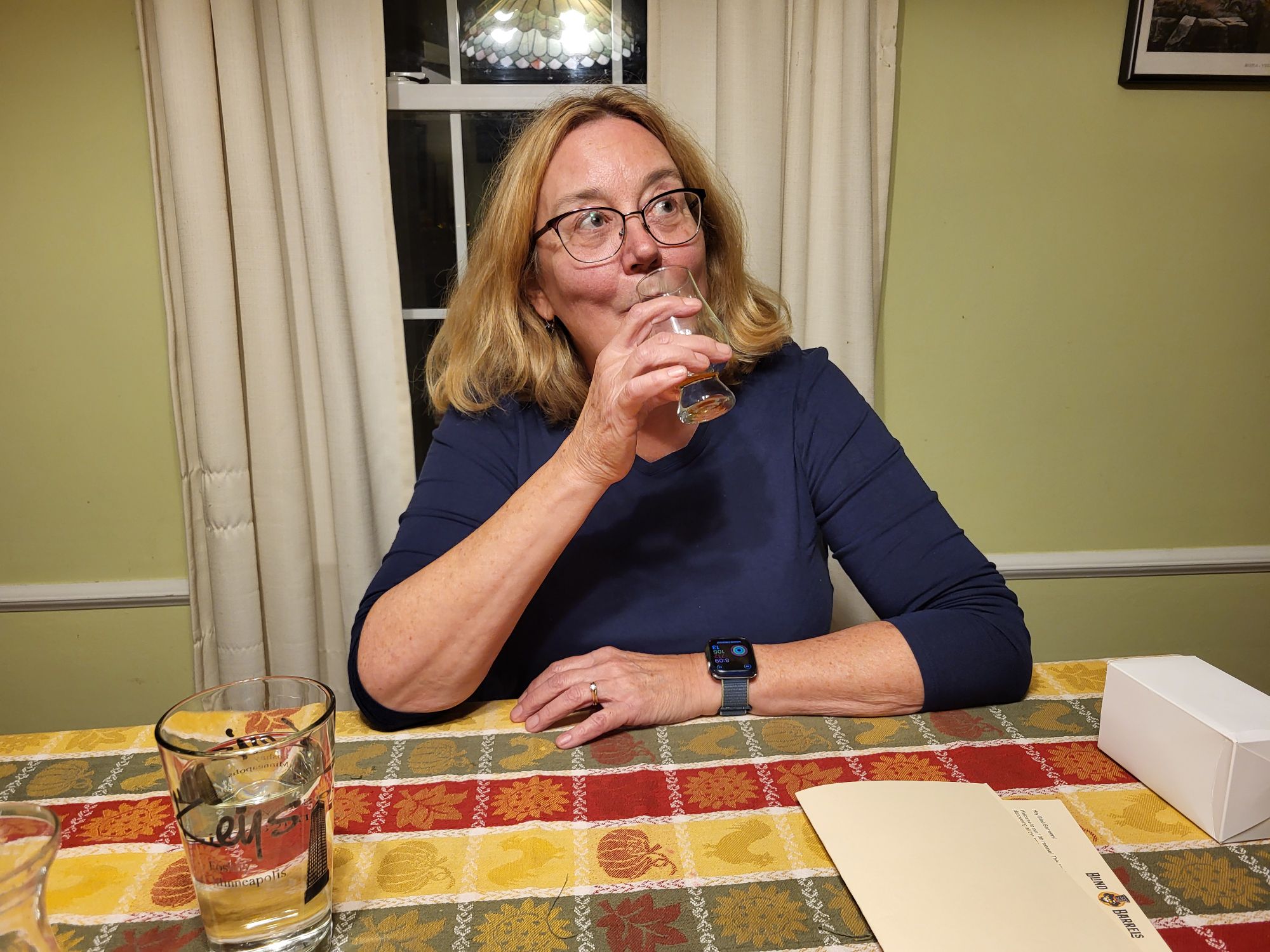
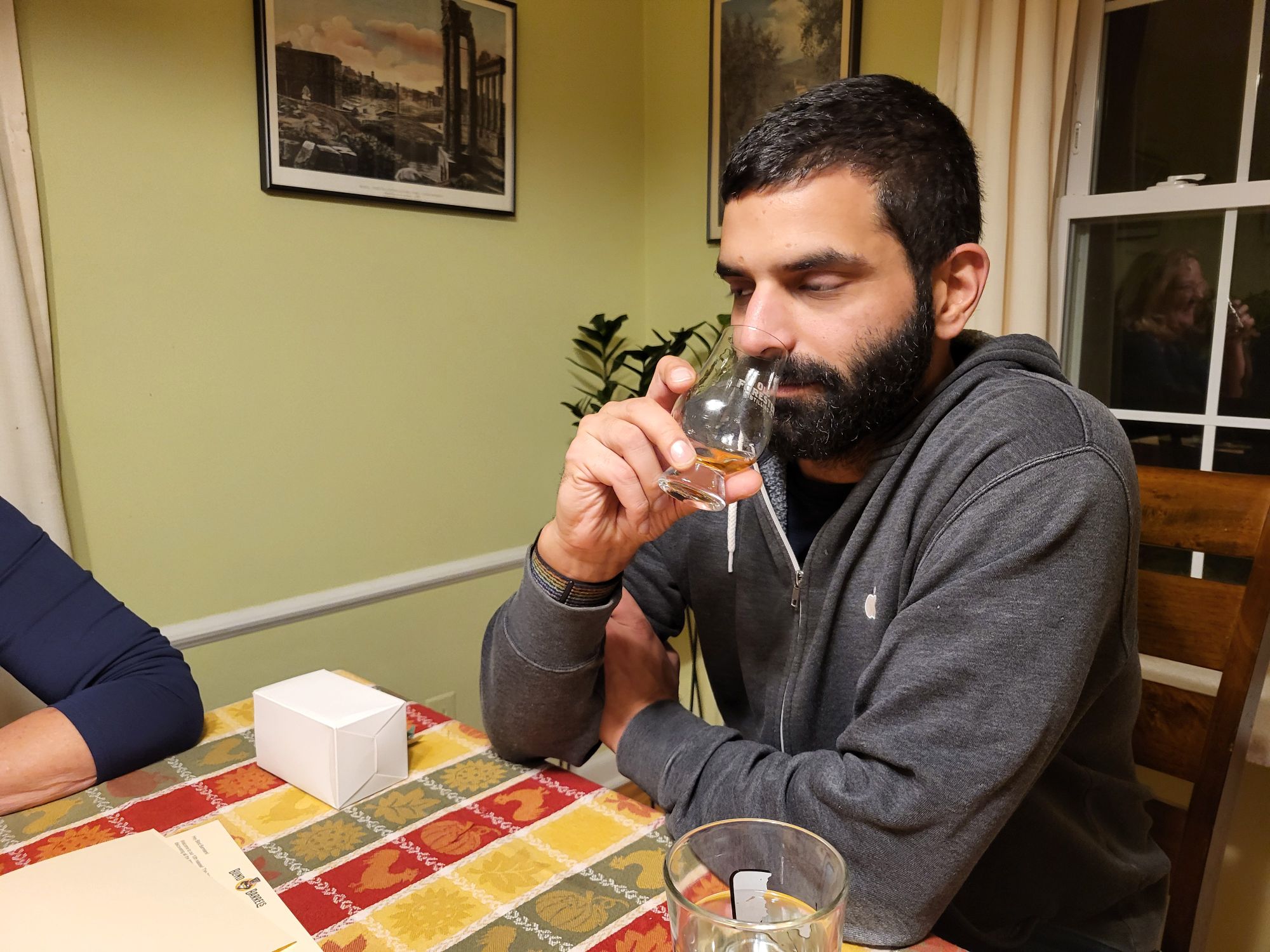
My box arrived in September. In October I rounded up a few friends (Amy, her neighbor Nick, and my wife Liz), and we tasted through the four samples together.
LizAmyNick
Here’s what we thought of them at first taste:
A: Pretty good, probably a rye.
B: A little weird, A wheater, maybe.
C: Even weirder. Oat whiskey or oat bourbon?
D: Wow, stunning. A well-aged bourbon.
At least that’s what I think we thought of them. In an all-to-common bout of unprofessionalism, I lost all the notes I took that night. Drinking may have been involved.
Anyway, we were almost entirely wrong. Here’s what they really were (the first price listed is the MSRP, the second is the subscriber price):
A. Axe Hole Single Malt, Calwise Spirits, Paso Robles, California. 84 proof, $90/$75.
C. Old Monongahela Full Proof Rye, Liberty Pole Spirits, Washington, PA. 108 proof, $85/$65.
D. Doc Holliday 10 y/o Straight Bourbon, World Whiskey Society, Pendergrass, GA. Distilled at Ivy Mountain Distillery, Mount Airy, GA. 122 proof, $200/$130.
As you can see, D was the clear standout. Nick, a whiskey novice, pointed out that a part of concept with this is a marketing/sales play. While all the whiskeys were interesting, D was the standout, and it also has the biggest discount. He concluded that the primary aim of this box was to sell Doc Holliday 10 y/o.
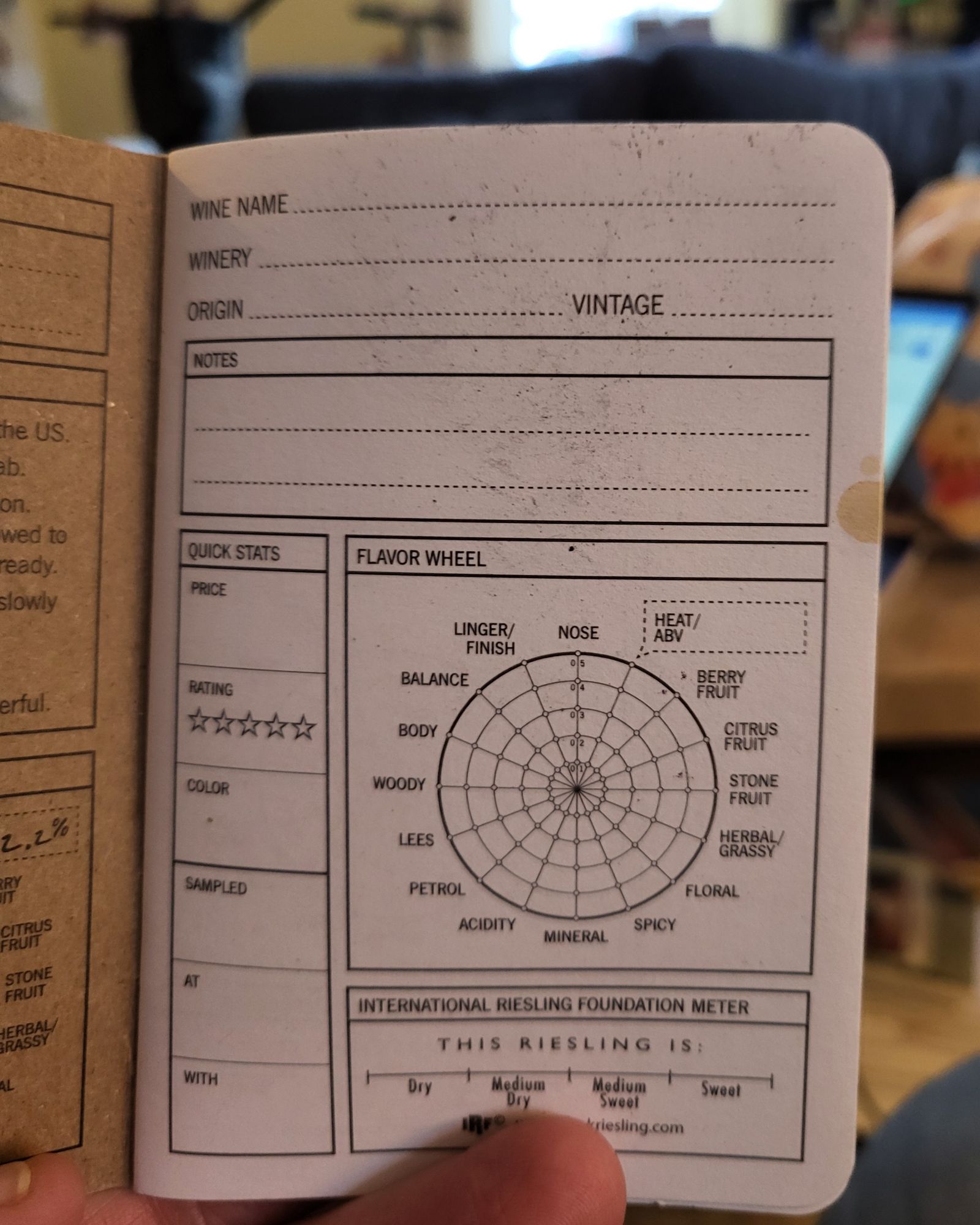
Nick also had a suggestion. Rather than the tasting table with its collection of terms, tasting sheets that can be filled out by each taster might make the experience even easier. Perhaps something like the Riesling tasting booklet pictured to the right. It also might make the tasting notes less likely to be lost.
Anyway, we had a lot of fun! I’ve hosted blind tastings before, and keeping them blind is always a problem. The innovation of the QR code on the back of the bottle takes all the annoyance out of that. Being able to taste whiskeys one might not be able to taste otherwise also makes things more fun. Whether you’re a grizzled whiskey vet or a newb, I think you’ll find a box from Blind Barrels to be an enjoyable way to spend an evening or weekend afternoon. They make great gifts as well. Blind Barrels is recommended.
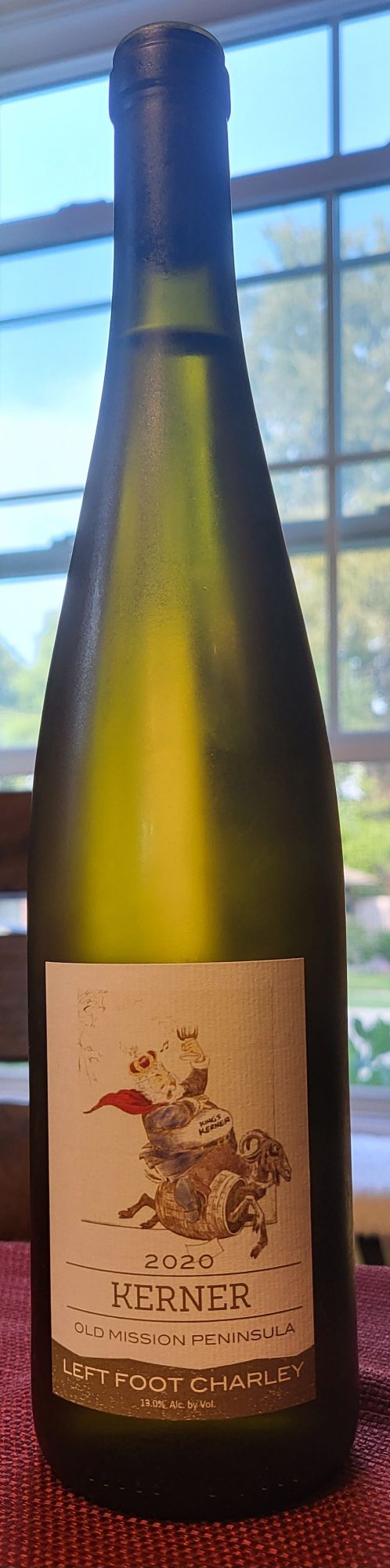
Maker: Left Foot Charley, Traverse City, Michigan, USA
Place of origin: Island View Orchard, Old Mission Peninsula AVA, Traverse City, Michigan, USA.
Grape: Kerner (at least 85%).
Vintage: 2020.
ABV: 13.3%
Purchased for $25 (Michigan by the Bottle, Auburn Hills, Michigan)
Appearance: Light gold.
Nose: Canned pear, thyme, golden apple.
Palate: Green apples, gravel, touch of leather.
Finish: Medium tart. pear, white pepper.
Parting words: Kerner is a grape that is not widely grown outside of Germany and Northern Italy. It is a newer vinifera variety, first released to the grape-growing public in 1969, the result of a cross between Trollinger (a red wine grape) and Riesling, both of which are pretty old varieties.
Anyhow, I like this grape a lot, especially in this dry style. Kerner isn’t as complex as a top tier Riesling, but it’s aromatic enough and easier to grow than its parent. I could see it doing well in white blends as well, but it’s already well-balanced on its own.
Anyway, I hope we see more Michigan Kerner in the future. Left Foot Charley’s is recommended.
Palate: Semi-dry with big apple flavors. Acid, then tannin, then sweetness.
Finish: Relatively dry. Sour apple, limestone.
Parting words: This was my first cider from Eve’s Cidery, and I found it to be enjoyable. When I saw “wild ferment” on the bottle, I thought I was in for some funk, but there was very little to be had. They have some very well-behaved yeast in that part of New York, apparently.
This is simply a well-constructed, well-behaved, entry level craft cider. It’s at its best when served with a meal. Think of what one might pair with Pinot Noir or Gamay: pork, salmon, turkey, duck, etc. It would even make for a nice change of pace at Thanksgiving dinner. The vintages, sorry, batches, do vary, so what you buy may not taste exactly like what I sampled.
At $17, this is an easy regular buy. Eve’s Albee Hill, batch 2021 is recommended.
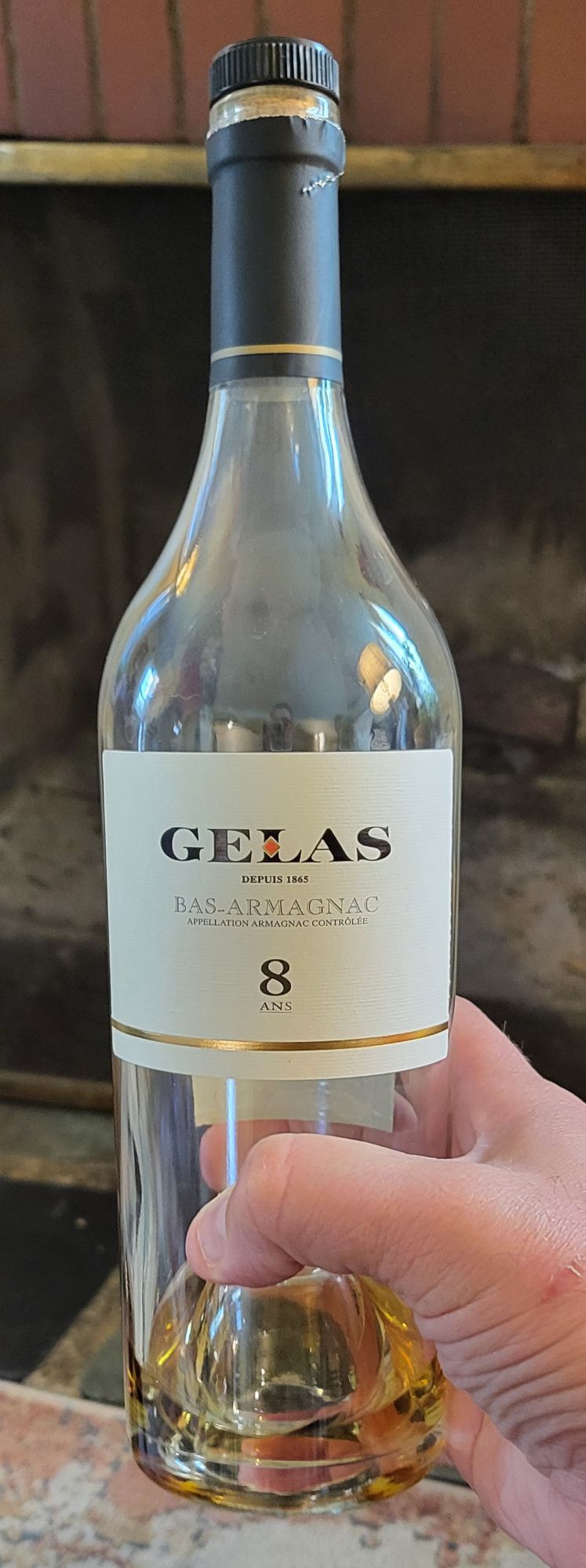
Maker: Gelas, Vic-Fezenac, Gers, Ocittania, France (negociant)
Region: Bas-Armagnac
Age: 8 y/o
ABV: 40%
Purchased for $73 (Vine & Table)
Appearance: Medium copper.
Nose: Prunes, leather, anise, vanilla
Palate: Oak, vanilla, grape soda, pinch of cayenne.
Finish: Drying. Dried fruit, oak.
Parting words: For more information on Gelas, or just for kicks, take a look at my review for Gelas Selection here.
This is the second tier Bas-Armagnac blend from Gelas (in the US at least). It comes with a hefty jump in price, but also in sophistication. The sugar of Selection is gone, replaced by more refined barrel and fruit notes. It tastes more like how I expect an Armagnac to taste, rather than the generic French brandy flavors of the entry level offering.
This is a good, solid spirit. I like it as a a finer evening brandy, perhaps with a dessert. I would like it even more if it were $10-$15 cheaper. Despite being a little overpriced, Gelas, 8 y/o is recommended.







 Sipology